
Tummy Tuck (Abdominoplasty) in Bali
Medically reviewed by Dr Marco Aurélio Faria-Corrêa
Introduction
If you’re considering an abdominoplasty to address loose abdominal skin, weakened abdominal muscles, or fat deposits, you may be considering having the procedure performed in Bali. Medical tourism for cosmetic procedures has grown, with Bali becoming a destination for surgical care. Understanding what’s involved in having an abdominoplasty abroad requires careful consideration of the procedure itself, surgeon qualifications, facility standards, and the recovery process away from home. This guide provides information about abdominoplasty in Bali to help you make an informed decision about whether international surgery aligns with your goals and circumstances. Individual results and recovery experiences may vary. This information is provided for educational purposes and does not replace consultation with a qualified healthcare professional.
What is a Tummy Tuck (Abdominoplasty)?
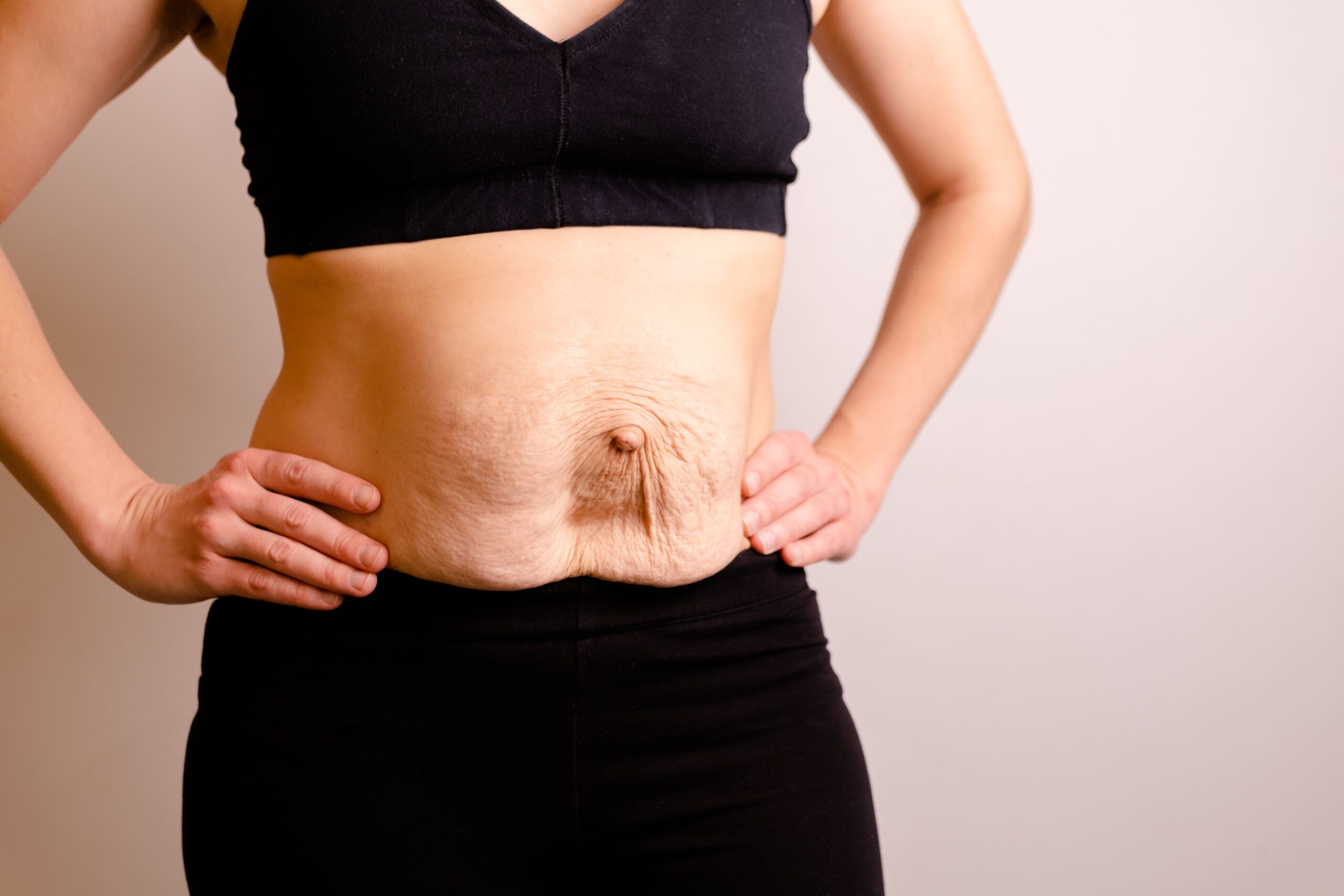
A tummy tuck, medically known as abdominoplasty, is a surgical procedure that aims to improve the appearance and contour of the abdomen by removing excess skin and fat while tightening the underlying abdominal muscles. This procedure may address concerns that cannot be resolved through diet and exercise alone, particularly loose skin following significant weight loss or pregnancy.
The surgery involves making an incision across the lower abdomen, typically from hip to hip, allowing the plastic surgeon to access the abdominal muscles and remove excess tissue. The remaining skin is then repositioned and sutured into place, creating a flatter abdominal profile. When muscle separation (diastasis recti) has occurred, the surgeon can repair and tighten these muscles during the procedure.
Abdominoplasty differs from liposuction as it addresses skin laxity and muscle weakness in addition to fat removal. While liposuction only removes fat deposits, a tummy tuck aims to reshape the abdominal area. Some patients who have experienced significant physical changes to their midsection may find that abdominoplasty provides structural correction.
Who is a Suitable Candidate?
Ideal Candidates
- Individuals with excess abdominal skin that doesn’t respond to diet or exercise
- Post-pregnancy patients with stretched skin and separated abdominal muscles
- People who have achieved significant weight loss resulting in loose, hanging skin
- Non-smokers or those willing to quit several weeks before and after surgery
- Patients at or near their ideal body weight with realistic expectations
- Individuals in good overall health without severe medical conditions
- Those who have completed their family planning (for women)
- Patients committed to maintaining results through healthy lifestyle choices
Contraindications
- Active smokers unwilling to cease smoking during the perioperative period
- Individuals with uncontrolled diabetes or cardiovascular disease
- Patients with bleeding disorders or on anticoagulation therapy
- Those planning future pregnancies
- People with unrealistic expectations about surgical outcomes
- Individuals with active infections or compromised immune systems
- Patients with severe obesity
- Those unable to commit to proper post-operative care and recovery
A thorough medical evaluation is essential when considering abdominoplasty. A qualified plastic surgeon will assess your medical history, current health status, and aesthetic goals to determine whether you may be an appropriate candidate for the procedure.
Treatment Techniques & Approaches
Full Abdominoplasty
Complete abdominoplasty is a comprehensive approach to abdominal contouring. This technique involves an incision extending from hip to hip, positioned low on the abdomen to remain concealed by underwear or swimwear. The plastic surgeon separates the skin from the abdominal wall up to the ribs, may repair separated muscles, and removes excess skin and fat. The navel is repositioned through a new opening in the tightened skin. This approach may be suitable for patients with significant skin laxity and muscle separation throughout the entire abdominal region.
Mini Abdominoplasty
Mini abdominoplasty addresses concerns limited to the area below the navel. This technique uses a shorter incision and involves less extensive tissue manipulation. The plastic surgeon removes excess skin and fat from the lower abdomen without repositioning the navel. Muscle repair, if needed, focuses only on the lower abdominal muscles. This option may work well for patients with mild to moderate skin laxity concentrated in the lower abdomen.
Extended Abdominoplasty
Extended abdominoplasty incorporates lateral trunk and flank contouring along with standard abdominal work. The incision extends beyond the hip bones to address excess tissue on the sides and lower back. This comprehensive approach may benefit patients who have experienced massive weight loss and have excess skin extending around their midsection.
Technology & Equipment Used
Modern abdominoplasty procedures in established clinics utilise contemporary surgical equipment, including electrocautery devices for precise tissue dissection, progressive tension sutures to reduce the need for drains, and pain pump systems for post-operative comfort. Many facilities employ ultrasonic or power-assisted liposuction technology when combining fat removal with skin excision.

Wondering which abdominoplasty approach may suit your needs?
Consult with a qualified plastic surgeon to evaluate your specific anatomy and develop a personalised surgical plan.
The Treatment Process
Pre-Treatment Preparation
Before travelling to Bali for abdominoplasty, patients undergo virtual consultations with their surgeon to discuss goals and medical history. Required medical tests may include blood work, ECG for patients over 40, and potentially chest X-rays. Plastic surgeons provide detailed pre-operative instructions, including instructions to stop smoking, discontinue certain medications and supplements, and follow dietary guidelines.
Patients must arrange accommodation near the surgical facility for the recovery period. Travel insurance that covers medical procedures abroad should be secured. Bringing comfortable, loose-fitting clothing and arranging for a travel companion to assist during initial recovery may be helpful.
During the Procedure
On surgery day, patients receive general anaesthesia administered by a qualified anaesthetist. The procedure duration varies depending on the extent of correction needed. The surgeon begins by marking the planned incisions and areas for tissue removal while the patient stands.
Once anaesthetised, the surgeon makes the predetermined incisions and systematically addresses each component of the procedure. Excess skin and fat are removed, abdominal muscles may be repaired if necessary, and the remaining tissues are redraped and sutured. Surgical drains may be placed to prevent fluid accumulation. The incisions are closed in layers using absorbable and non-absorbable sutures.
Immediate Post-Treatment
Following surgery, patients recover in a monitored setting until fully awake. Pain management protocols include intravenous and oral medications. Compression garments are applied to help minimise swelling and support the healing tissues. Most patients remain in the clinic overnight for observation.
The surgical team monitors vital signs, checks for complications, and aims to ensure adequate pain control. Instructions for drain care (if applicable), wound management, and activity restrictions are provided. Patients typically feel groggy and experience moderate discomfort, which is managed with prescribed medications. The ability to stand and walk short distances with assistance is encouraged within the first day.
Recovery & Aftercare
First 24-48 Hours
The initial recovery period requires significant rest with the upper body elevated to reduce swelling. Pain levels may peak during this time, but can be managed with prescribed medications. Movement is limited but essential—short walks every few hours help prevent blood clots. Drainage tubes, if placed, collect excess fluid and require monitoring.
Patients should arrange assistance for basic activities, as bending and lifting are restricted. Swelling and bruising appear normal during this phase. Maintain hydration and follow prescribed medication schedules. Warning signs requiring immediate medical attention include excessive bleeding, severe pain unrelieved by medication, or signs of infection.
First Week
During the first week, gradual improvement in comfort and mobility may occur. Drainage tubes are typically removed when output decreases. Follow-up appointments allow the plastic surgeon to assess healing progress and address any concerns. Light walking may increase daily, though strenuous activity remains prohibited.
Showering may be permitted after drain removal with specific wound care instructions. Compression garments should be worn as directed. Swelling may begin to subside, though the abdomen might remain firm and potentially numb. International patients should stay in the treatment location during this healing phase for proper medical supervision.
Long-term Recovery
Recovery from abdominoplasty varies by individual, with results becoming more apparent over several months. Patients may typically return to desk work after consultation with their surgeon, but should avoid heavy lifting and strenuous exercise as advised. Scar maturation continues over time, and proper scar management can potentially improve appearance.
Regular follow-up appointments monitor healing progress. Maintaining a stable weight and a healthy lifestyle may help preserve surgical results. Return to exercise should follow surgeon-approved timelines, typically beginning with walking and progressing to more intense activities as cleared by the healthcare team.
Considering post-operative care planning?
Consult with a healthcare professional about recovery expectations and post-surgical care requirements.
Benefits of Tummy Tuck Surgery
Abdominoplasty may offer both aesthetic and functional improvements that could impact quality of life. Removing excess skin may help alleviate discomfort and hygiene challenges caused by overhanging tissue. Skin irritation, rashes, and infections in skin folds may be reduced. Some patients may experience improved posture and reduced back pain following muscle repair.
The psychological outcomes may also be meaningful. Patients may experience increased confidence in their appearance, greater comfort in fitted clothing, and renewed enthusiasm for physical activities. The ability to participate in swimming, sports, and intimate situations without self-consciousness may represent a meaningful improvement in one’s life.
Clothing may fit better without excess abdominal tissue. Exercise may become more comfortable and practical when loose skin no longer interferes with movement. The motivation to maintain results may inspire long-term healthy lifestyle changes. Some patients describe feeling like their external appearance matches their internal sense of self after significant weight loss or childbearing.
Individual results and timelines may vary. This treatment is administered as part of a comprehensive plan supervised by a healthcare professional.
Risks & Potential Complications
Common Side Effects
Temporary side effects following abdominoplasty may include swelling, bruising, and discomfort that can be managed with prescribed medications. Numbness in the abdominal area can occur and may gradually improve over time. Fatigue during the initial recovery period may resolve as healing progresses.
Visible scarring, while permanent, may fade over time with proper care. Temporary changes in skin sensation around the incision sites are possible. Minor asymmetries may be noticeable initially but can resolve as swelling subsides. Fluid accumulation (seroma) may occasionally require additional drainage procedures.
Rare Complications
Serious complications may include infection requiring antibiotic treatment or surgical intervention. Blood clots (deep vein thrombosis) pose a potential risk that can be minimised through early mobilisation and the use of compression devices. Poor wound healing or skin loss may occur, particularly in smokers or patients with certain medical conditions.
Excessive bleeding requiring transfusion can occur. Anaesthesia reactions underscore the importance of professional anaesthesiology care. Unfavourable scarring may require revision procedures. Choosing a plastic surgeon operating in an accredited facility may help reduce complication risks through proper technique and sterile conditions.
Cost Considerations
Tummy tuck costs may vary significantly between different countries and healthcare systems. When considering treatment options, patients should evaluate multiple factors, including the qualifications of the plastic surgeon, facility accreditation, and the services offered. Some clinics may provide comprehensive packages that include a range of care services.
Costs typically encompass surgeon fees, facility costs, anaesthesia, post-operative garments, and medications. Additional expenses may include accommodation, transportation, and potentially extended stay requirements if complications arise. Patients should also consider potential additional treatments, scar management products, and the possibility of revision procedures.
When evaluating treatment options, patients should verify the surgeon’s credentials, the facility’s standards, and the patient safety protocols. Travel insurance covering medical procedures may be advisable for those considering treatment abroad. It is recommended to consult with qualified healthcare professionals to understand all potential costs and considerations.
Conclusion
Choosing to undergo a tummy tuck in Bali is a significant decision that requires careful research, planning, and realistic expectations. While the combination of experienced surgeons, modern facilities, and cost considerations makes Bali a destination for abdominoplasty, success depends on selecting qualified practitioners and preparing thoroughly for international medical travel. Understanding the complete journey from initial consultation through full recovery helps ensure a safe surgical experience.
Our Doctors
World Class Plastic Surgeons is more than a clinic it is a destination for aesthetic excellence tailored to a select audience.We are an international reference in plastic surgery procedures, offering sophistication, discretion, and innovation. We serve clients who value luxury, safety, and outstanding results.


Ready to Take the Next Step?
If you're considering abdominoplasty in Bali, thorough research and careful planning are essential. Connect with our Plastic Surgeons who can evaluate your needs and guide you through the international surgery process safely.
Make An Enquiry
Got Questions? Please fill in the enquiry form below and we look forward to addressing your question.