
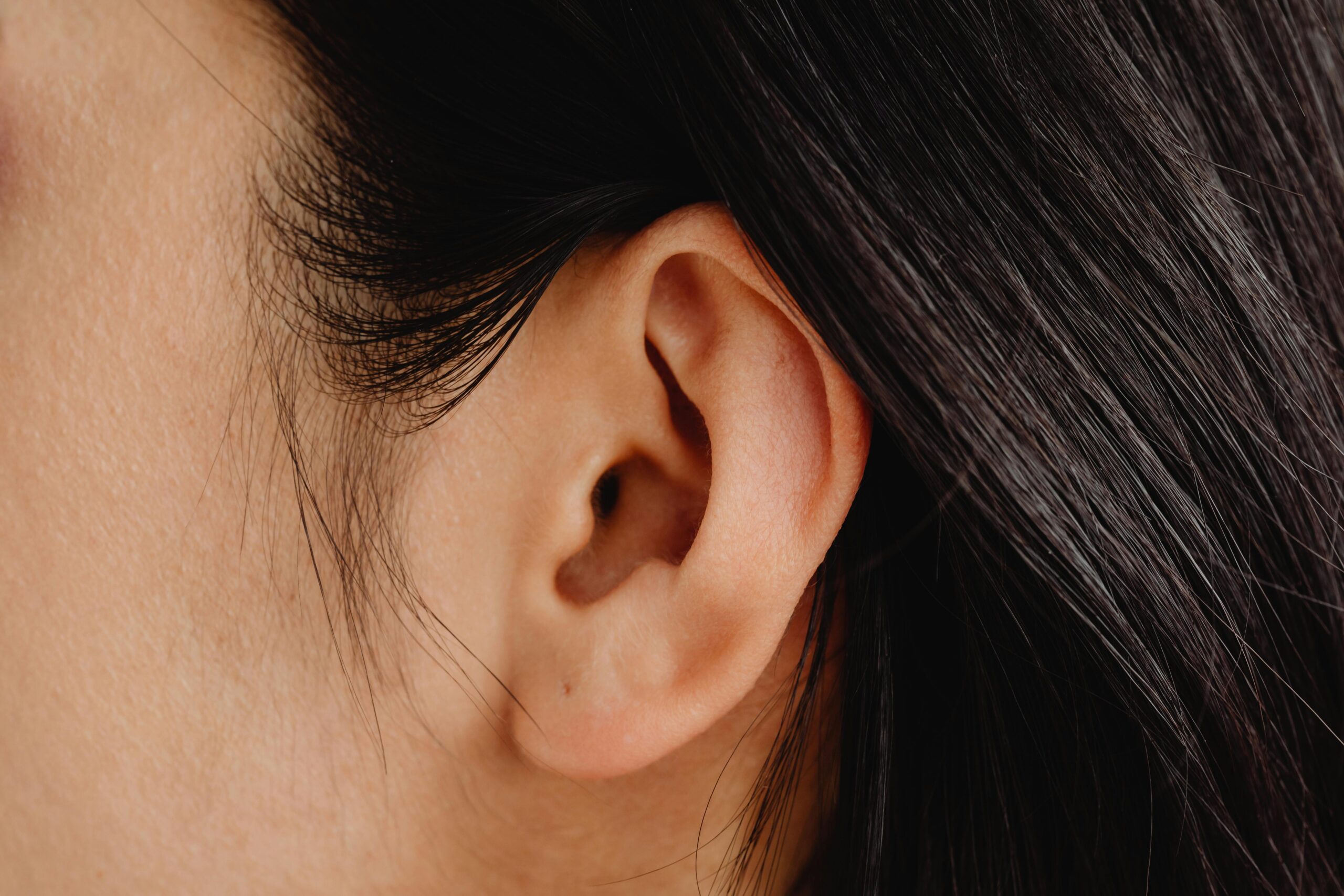
Otoplasty (Ear Reshaping) in Bali
Medically reviewed by Dr Marco Aurélio Faria-Corrêa
Living with prominent ears or ear irregularities can affect confidence from childhood through adulthood. Many individuals considering otoplasty have experienced years of self-consciousness about their ear appearance, impacting their hairstyle choices and social interactions. Otoplasty, commonly known as ear reshaping or ear pinning surgery, is a surgical option that aims to address ear prominence, asymmetry, or shape concerns. This surgical procedure may help create more balanced facial proportions. In Bali, this procedure combines quality medical care with the opportunity for peaceful recovery in a serene tropical environment.
What is Otoplasty?
Otoplasty is a surgical procedure that reshapes, repositions, or resizes the ears to achieve better facial harmony. The surgery primarily addresses protruding ears by creating or strengthening the antihelical fold and, when necessary, reducing the conchal bowl. This procedure can correct various ear concerns, including prominent ears that stick out from the head, asymmetrical ears, oversized ears, or ears with congenital deformities.
The surgery involves precise modifications to the ear cartilage through carefully placed incisions, typically hidden behind the ear. Surgeons use established techniques to reshape the cartilage framework whilst preserving natural ear function. Otoplasty can be performed on children once ear development is complete, though many adults also choose this procedure.
The procedure addresses both aesthetic and psychological concerns. Otoplasty may help improve the quality of life and self-esteem in some patients. Individual results and timelines may vary.
Who is a Suitable Candidate?
Ideal Candidates
- Children aged 5 or older with fully developed ear cartilage
- Adults of any age seeking ear correction
- Individuals with protruding ears
- Patients with asymmetrical ear positioning or shape
- Those with congenital ear deformities such as lop ear or shell ear
- Non-smokers or those willing to quit before surgery
- Individuals with realistic expectations about surgical outcomes
- Patients in good general health without healing disorders
Contraindications
- Active ear infections or chronic ear diseases
- Unrealistic expectations about results
- Bleeding disorders or medications affecting clotting
- Keloid scarring tendency
- Diabetes affecting wound healing
- Previous radiation therapy to the ear area
Professional evaluation by a qualified plastic surgeon is essential for determining candidacy. The surgeon will assess ear anatomy, discuss aesthetic goals, and ensure the patient understands both possibilities and limitations of the procedure.
Treatment Techniques & Approaches
Cartilage Scoring Technique
This approach involves making precise scores or cuts in the ear cartilage to weaken its spring and allow reshaping. The surgeon accesses the cartilage through an incision behind the ear, then creates controlled weakening of specific areas. This technique can be suitable for thick, rigid cartilage that requires significant reshaping.
Suture Technique (Mustarde Method)
The suture technique uses permanent stitches to reshape the ear without cutting cartilage. Strategic placement of sutures creates new folds and contours whilst maintaining cartilage integrity. This method may offer results with potentially less trauma to the cartilage structure.
Combination Technique
Surgeons may employ both scoring and suturing methods to achieve results. This approach allows customisation based on individual ear anatomy and desired outcomes. The combination technique can address multiple ear concerns simultaneously.
Technology & Equipment Used
Modern otoplasty utilises fine surgical instruments designed specifically for ear surgery. Surgeons may use surgical loupes or microscopes for enhanced visualisation during delicate cartilage work. Absorbable and non-absorbable sutures of various sizes ensure precise tissue approximation and results.

Explore Your Options with Our Plastic Surgeons
Discuss your aesthetic goals and learn about available treatment options that may be suitable for your needs.
The Treatment Process
Pre-Treatment Preparation
Patients undergo comprehensive medical evaluation including blood tests and physical examination. Medication adjustments may be necessary, particularly for blood thinners or supplements affecting clotting. Surgeons provide specific instructions about eating and drinking before surgery. Patients should arrange transportation and post-operative care assistance.
Hair should be washed the night before surgery as it won’t be possible immediately after. Comfortable, button-front clothing is recommended to avoid pulling garments over the head post-surgery. Photographers document the ears from multiple angles for surgical planning and comparison purposes.
During the Procedure
Otoplasty typically takes 1.5 to 3 hours depending on the complexity and whether one or both ears are being addressed. Adults usually receive local anaesthesia with sedation, whilst children often require general anaesthesia. The surgeon begins by marking precise reference points on the ears to guide reshaping.
Incisions are placed in the natural fold behind the ear or within ear creases to minimise visible scarring. The surgeon then reshapes, repositions, or removes cartilage according to the planned technique. Permanent sutures secure the new ear position and shape. Both ears may be addressed to help ensure symmetry, even if only one appears prominent.
Immediate Post-Treatment
Following surgery, a protective dressing covers the ears to maintain their new position. Patients recover in a monitored area until fully alert. Mild discomfort is normal and managed with prescribed pain medication. Most patients return home the same day with detailed aftercare instructions.
The medical team checks the dressing integrity and provides guidance on sleeping positions. Ice packs may be recommended for swelling reduction, though they must not directly contact the surgical site. Initial ear appearance may seem overcorrected due to swelling.
Recovery & Aftercare
First 24-48 Hours
Rest with your head elevated to help minimise swelling and discomfort. Take pain medication as prescribed before discomfort becomes severe. Keep the protective bandage dry and intact. Avoid any pressure on your ears.
Avoid activities requiring bending or straining to help prevent increased blood pressure at the surgical site. Eat soft foods if chewing causes discomfort. Contact your surgeon immediately if you experience bleeding, severe pain, or bandage loosening.
First Week
The initial bandage is typically removed after 3-5 days and replaced with a lighter dressing or headband. Sutures may be removed within 7-10 days if non-absorbable types were used. Bruising and swelling typically peak around day 3-4 before gradually improving over the following week.
You may be able to return to work or school after one week, though contact sports must be avoided. Wear the protective headband continuously, especially during sleep. Gentle hair washing may be permitted once your surgeon approves.
Long-term Recovery
Full healing typically occurs over 6-8 weeks, though final results become apparent after 3-6 months once all swelling resolves. The headband typically transitions to nighttime use only after 2-4 weeks. Regular activities can resume gradually with surgeon approval, usually within 2-3 weeks for non-contact activities.
Avoid contact sports and activities risking ear trauma for at least 6-8 weeks. Use sun protection on incision sites for several months to help prevent hyperpigmentation. Follow-up appointments at regular intervals monitor healing progress and symmetry.
Explore Your Options with Our Plastic Surgeons
Discuss your aesthetic goals and learn about available treatment options that may be suitable for your needs.
Benefits of Otoplasty
Otoplasty can offer both aesthetic and functional outcomes that may extend beyond physical appearance. The procedure aims to create improved facial proportion by positioning ears closer to the head, which may enhance overall facial harmony. Some patients may experience increased confidence in social and professional settings following surgery.
Children who undergo otoplasty may experience reduced teasing and improved self-esteem during developmental years. Adults may find relief in addressing a long-standing concern. The ability to wear different hairstyles without concealment can be particularly meaningful for some patients.
The procedure aims to provide long-term correction of ear position and shape. Unlike temporary cosmetic treatments, otoplasty is designed to provide lasting results.
Risks & Potential Complications
Common Side Effects
Temporary numbness around the incision site may affect patients but typically resolves within 2-3 months. Mild asymmetry may be present initially due to different swelling patterns between ears. Bruising and swelling are expected and typically improve within 2-4 weeks.
Sensitivity to cold temperatures may persist for 3-6 months. Slight firmness or irregularity in ear contours usually softens within several months. Visible scarring is typically minimal when incisions are properly placed behind the ear.
Rare Complications
Infection may occur and can respond well to antibiotics when promptly treated. Haematoma formation requiring drainage is uncommon but may delay healing. Suture extrusion occasionally happens months or years post-surgery.
Overcorrection or undercorrection may necessitate revision surgery in rare cases. Keloid scarring, though uncommon, may require additional treatment. Cartilage infection, while rare, requires immediate medical attention.
Surgeons aim to minimise these risks through meticulous technique, sterile protocols, and appropriate patient selection. Following post-operative instructions may help reduce complication likelihood.
Cost Considerations
Otoplasty costs in Bali vary based on surgeon expertise, facility standards, and case complexity. The total investment typically includes surgeon fees, facility charges, anaesthesia costs, and post-operative care. International patients should factor in accommodation and travel expenses when budgeting.
Quality should remain the primary consideration when selecting a surgeon and facility. Board certification, surgical experience, and facility accreditation indicate appropriate standards. The fee structure usually encompasses pre-operative consultations, the surgical procedure, and follow-up appointments.
Consultation appointments provide detailed cost breakdowns tailored to individual surgical requirements. Patients are advised to discuss all associated costs during their consultation with a qualified healthcare professional.
Conclusion
Otoplasty is a surgical option for addressing prominent ears, asymmetry, or concerns about ear shape. This procedure aims to improve ear positioning and facial balance through precise cartilage reshaping techniques. Whether performed in childhood or adulthood, ear reshaping surgery may provide lasting aesthetic improvement and increased confidence.
Choosing Bali for your otoplasty provides access to experienced plastic surgeons and modern medical facilities with the added benefit of recovery in a peaceful environment. If you’re considering this procedure, schedule a consultation to discuss your specific concerns and develop a personalized treatment plan.
Our Doctors
World Class Plastic Surgeons is more than a clinic it is a destination for aesthetic excellence tailored to a select audience.We are an international reference in plastic surgery procedures, offering sophistication, discretion, and innovation. We serve clients who value luxury, safety, and outstanding results.

Ready to Take the Next Step?
Our experienced surgeons provide comprehensive information about the procedure, recovery process, and logistics of medical tourism to support your decision-making.
Make An Enquiry
Got Questions? Please fill in the enquiry form below and we look forward to addressing your question.