Monsplasty (Pubic Lift) in Bali

Medically reviewed by Dr Marco Aurélio Faria-Corrêa
Introduction
Many people experience changes to their pubic area due to significant weight loss, ageing, or childbirth, leading to excess skin or fatty tissue that can affect both comfort and confidence. Monsplasty, also known as a pubic lift or mons pubis reduction, is a body contouring procedure designed to address these concerns by reshaping the mons pubis area. This surgical procedure may help create a more proportionate appearance to the pubic region and can improve physical comfort in clothing. At our clinic in Bali, our Plastic Surgeons perform monsplasty using established surgical techniques. Individual results and timelines may vary.
What is Monsplasty?
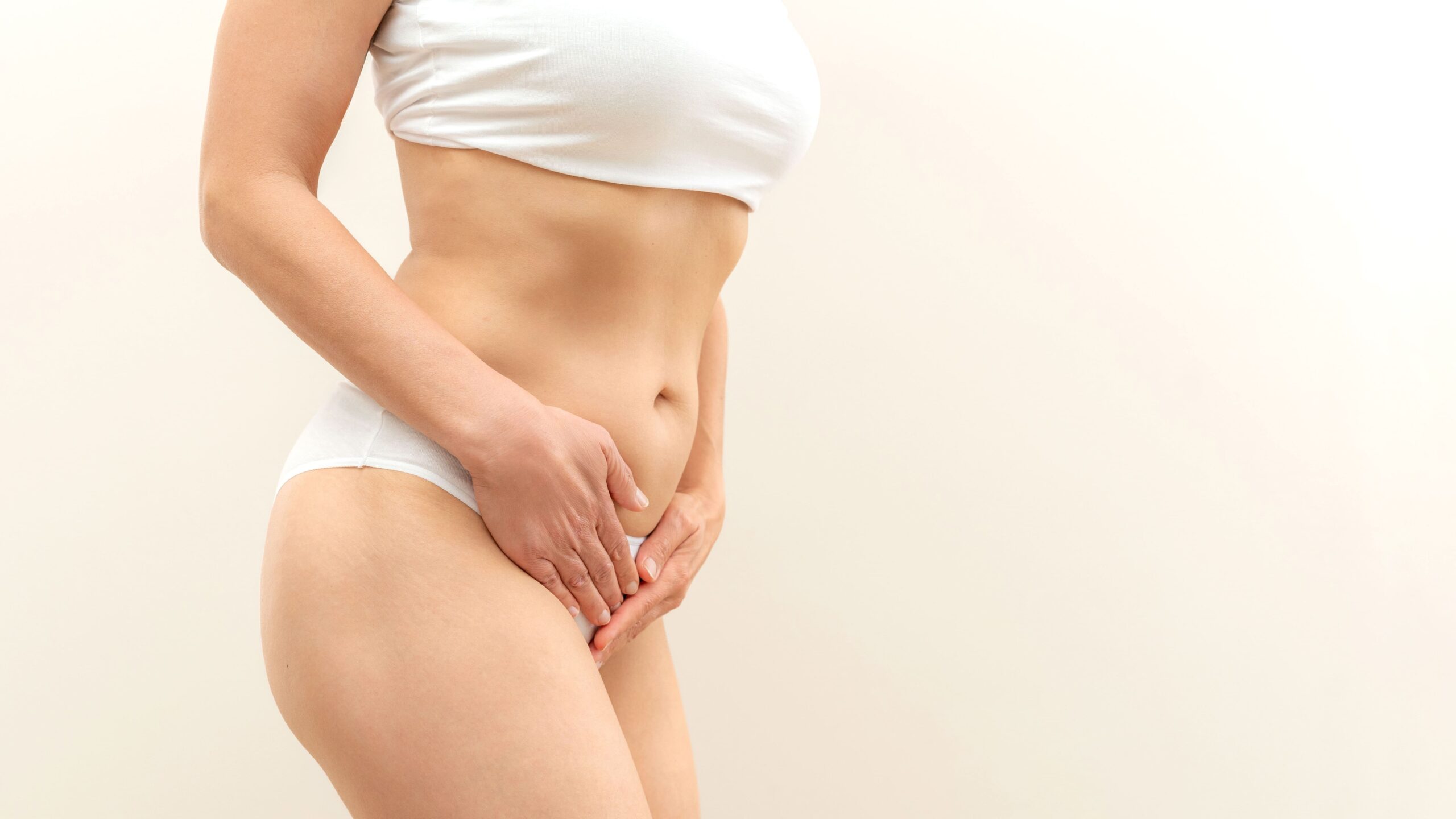
Monsplasty is a surgical procedure that reduces and reshapes the mons pubis, the rounded area of fatty tissue located over the pubic bone. The procedure involves removing excess skin, fat, or both from the pubic area to create a flatter contour. This surgery addresses concerns such as a protruding or sagging mons pubis that may result from weight fluctuations, hormonal changes, genetics, or the natural ageing process.
The procedure can be performed using different surgical techniques depending on the patient’s specific anatomy and concerns. Some patients may require only liposuction to remove excess fat, while others may need surgical excision of redundant skin. In some cases, a combination approach may be considered. Monsplasty can be performed as a standalone procedure or combined with other body contouring surgeries such as abdominoplasty (tummy tuck) or lower body lift.
The mons pubis plays an essential role in the overall appearance of the lower abdomen and genital region. When enlarged or sagging, it can create discomfort during physical activities, make clothing fit poorly, and affect intimate relationships. Monsplasty aims to address these functional and aesthetic concerns by helping restore a more natural, proportionate appearance to the area.
Who is a Suitable Candidate?
Potential Candidates
- Individuals with excess fatty tissue in the mons pubis, causing a bulging appearance
- Patients with loose, sagging skin in the pubic area following significant weight loss
- Women experiencing enlarged mons pubis after pregnancy and childbirth
- People who have difficulty wearing specific clothing due to pubic area prominence
- Individuals experiencing discomfort or irritation during physical activities
- Patients in good overall health with stable body weight
- Non-smokers or those willing to quit before surgery
- Individuals with realistic expectations about surgical outcomes
Contraindications
- Active infections in the surgical area
- Uncontrolled diabetes or other systemic diseases affecting healing
- Blood clotting disorders or use of certain anticoagulation medications
- Pregnancy or planning pregnancy in the near future
- Severe obesity with ongoing weight fluctuations
- Unrealistic expectations about surgical results
- Psychological conditions that may interfere with recovery
A thorough consultation with a plastic surgeon is essential to determine individual suitability for monsplasty. The surgeon will evaluate your medical history, examine the treatment area, and discuss your aesthetic goals to create a personalised treatment plan that addresses your specific concerns whilst ensuring safety and appropriate outcomes.
Treatment Techniques & Approaches
Liposuction-Only Monsplasty
This approach may be suitable for patients with good skin elasticity who primarily have excess fatty tissue in the mons pubis. Small incisions are made in inconspicuous locations, and a thin cannula is inserted to remove excess fat through suction. This technique aims to achieve minimal scarring and a shorter recovery time than surgical excision. The procedure typically takes 30-60 minutes and can be performed under local anaesthesia with sedation.
Surgical Excision Monsplasty
For patients with significant skin laxity or redundancy, surgical excision may be necessary to achieve desired results. This technique involves making an incision along the pubic hairline or within existing caesarean section scars to remove excess skin and tissue. The remaining skin is then lifted and tightened to create a smoother, flatter contour. This approach may be suitable for patients who have experienced weight loss or have poor skin elasticity.
Combination Technique
Some patients may benefit from a combination of liposuction and surgical excision. This comprehensive approach allows the surgeon to remove excess fat while also addressing skin laxity. The combination technique may be recommended for patients with both fatty excess and loose skin in the mons pubis area.
Technology & Equipment Used
Modern monsplasty procedures utilise various technologies to enhance safety and outcomes. Power-assisted liposuction devices can provide more precise fat removal with less trauma to surrounding tissues. Electrocautery tools help minimise bleeding during surgical excision. Some surgeons use ultrasound-assisted liposuction for fat emulsification and potential skin-tightening effects. Contemporary suturing techniques and materials help minimise scarring and promote healing.

Wondering which approach might be suitable for you?
Our Plastic Surgeons can evaluate your specific needs and discuss the available treatment options.
The Treatment Process
Pre-Treatment Preparation
Before your monsplasty procedure, you may undergo comprehensive pre-operative testing, including blood work and medical clearance. Your surgeon will provide specific instructions about medications to avoid, particularly blood thinners and specific supplements that can increase bleeding risk. You may be advised to stop smoking at least four weeks before surgery to promote healing. You’ll need to arrange for someone to drive you home after the procedure and assist you during the initial recovery period. Fasting guidelines will be provided based on your scheduled surgery time and the type of anaesthesia planned.
During the Procedure
On the day of surgery, you’ll be prepared for the procedure with appropriate anaesthesia, which may be local with sedation or general anaesthesia, depending on the extent of surgery. The surgical area is cleaned and marked while you’re standing to help guide tissue removal. For liposuction-only procedures, tumescent fluid is injected to facilitate fat removal and minimise bleeding. The surgeon then performs the planned technique, carefully contouring the area. Surgical drains may be placed if significant tissue removal is performed. The incisions are closed with sutures, and compression garments are applied to support healing and reduce swelling.
Immediate Post-Treatment
After the procedure, you’ll be monitored in the recovery area until the anaesthesia effects subside. Pain medication will be administered to manage any discomfort. The surgical team will review post-operative care instructions, including drain care if applicable, medication schedules, and activity restrictions. Patients can typically return home the same day for minor procedures, whilst extensive surgeries may require an overnight stay. You’ll be fitted with a compression garment that should be worn as directed to support healing and maintain your new contour.
Recovery & Aftercare
First 24-48 Hours
The initial recovery period requires rest with limited movement. Pain and discomfort can typically be managed with prescribed medications. Some swelling, bruising, and numbness in the treated area are normal and expected. Avoid any strenuous activities and keep the surgical area clean and dry. Walk short distances every few hours to promote circulation and prevent blood clots. Ice packs can be applied over the compression garment to help reduce swelling. Monitor for any signs of complications such as excessive bleeding, severe pain, or fever.
First Week
During the first week, gradually increase your activity level while avoiding any heavy lifting or vigorous exercise. Patients may be able to return to desk work after several days, though this varies based on individual healing and the extent of surgery. Your first follow-up appointment typically occurs within this timeframe to check healing progress and remove drains if present. Showering may be permitted after 48-72 hours with careful attention to keeping incisions clean and dry. Continue wearing the compression garment as directed, removing it only for hygiene purposes.
Long-term Recovery
Recovery from monsplasty can take several weeks to months, with final results becoming apparent as swelling resolves. After 2-3 weeks, light exercise such as walking may be gradually resumed. More strenuous activities and exercise can be considered after several weeks with your surgeon’s approval. Scar management techniques, including silicone sheets or gels, may be recommended after initial healing. Regular follow-up appointments will be scheduled to monitor your progress and ensure optimal healing. Normal activities may be resumed according to your surgeon’s guidance.
Our Plastic Surgeons provide comprehensive post-procedure support to help with recovery.
Schedule your consultation to learn more about what to expect.
Benefits of Monsplasty
Monsplasty may offer physical and psychological benefits for suitable candidates. The procedure aims to create a flatter, more proportionate pubic profile that can enhance the overall body contour, particularly when wearing fitted clothing, swimwear, or athletic wear. Some patients may experience greater comfort during physical activities such as cycling, running, or yoga, as reduced bulk can help reduce friction and irritation.
The aesthetic improvements may lead to enhanced self-confidence and body image, potentially impacting intimate relationships and overall quality of life. Clothing may fit better without the visible bulge that previously caused discomfort or limited wardrobe choices. For patients who have achieved significant weight loss, monsplasty may represent a step in their body transformation journey, addressing an area that doesn’t typically respond to diet and exercise alone.
The results of monsplasty can be long-lasting, provided patients maintain a stable weight and a healthy lifestyle. The procedure may also improve hygiene in the pubic area by eliminating skin folds where moisture and bacteria can accumulate. Some patients find that monsplasty provides satisfaction and enhanced comfort in their daily lives.
Individual results and timelines may vary. This treatment is administered as part of a comprehensive plan supervised by a healthcare professional.
Risks & Potential Complications
Common Side Effects
Temporary swelling and bruising may occur after monsplasty and can take several weeks to resolve. Mild to moderate discomfort may be experienced and can be managed with prescribed pain medication. Numbness or altered sensation in the treated area may persist for several weeks to months as nerves regenerate. Some patients may experience temporary firmness or irregularities in the area as internal scarring forms and remodels. Minor fluid accumulation (seroma) may occur but can often be managed conservatively or with simple drainage.
Rare Complications
Potential complications may include infection at the incision site, which can be treated with antibiotics. Bleeding or haematoma formation may require surgical drainage. Poor wound healing or wound separation can occur, particularly in smokers or diabetics, and may require additional treatment. Unfavourable scarring, including hypertrophic or keloid scars, may develop in predisposed individuals. Asymmetry or contour irregularities might necessitate revision surgery. Deep vein thrombosis is a rare but serious complication that can be minimised through early mobilisation and appropriate prophylaxis.
Choosing a plastic surgeon with experience in body contouring procedures may help reduce the risk of complications. Following all pre- and post-operative instructions, maintaining good overall health, and attending all follow-up appointments are essential for minimising risks and supporting recovery.
Cost Considerations
The cost of monsplasty in Bali varies based on several factors, including the surgical technique required, whether liposuction alone or combined with skin excision is needed, and the extent of tissue removal necessary. The surgeon’s experience and credentials, facility fees, anaesthesia type, and duration of surgery all influence the total cost. Additional costs may include pre-operative tests, compression garments, post-operative medications, and follow-up care.
While Bali offers competitive pricing compared to many Western countries, it prioritises quality and safety over cost alone. The fee typically includes the surgeon’s expertise, operating room costs, anaesthesia services, and initial follow-up appointments. Some clinics offer package pricing that includes accommodation and post-operative care services. Choosing an accredited facility with surgeons helps ensure you receive quality care that meets professional standards.
During your consultation, you’ll receive a detailed quote based on your specific treatment plan. Consider the procedure in terms of potential improvements to comfort and quality of life rather than focusing solely on the initial cost.
Conclusion
Monsplasty is a treatment option for individuals seeking to address excess tissue in the mons pubis area, whether due to weight loss, ageing, or genetic factors. This body contouring procedure may help improve physical comfort and aesthetic appearance. Various surgical techniques are available, and treatment can be customised to address each patient’s specific concerns and anatomy. When performed by plastic surgeons in properly equipped facilities, monsplasty aims to provide results that may enhance overall body proportions.
Our Doctors
World Class Plastic Surgeons is more than a clinic it is a destination for aesthetic excellence tailored to a select audience.We are an international reference in plastic surgery procedures, offering sophistication, discretion, and innovation. We serve clients who value luxury, safety, and outstanding results.


Ready to Take the Next Step?
If you're considering monsplasty, plastic surgeons can help you understand if it may be suitable for your needs. With experience in body contouring procedures, personalised care can be provided throughout your journey.
Make An Enquiry
Got Questions? Please fill in the enquiry form below and we look forward to addressing your question.