
Liposuction in Bali
Medically reviewed by Dr Marco Aurélio Faria-Corrêa
Many people experience localised fat deposits that may not respond to diet and exercise, which can affect their body confidence and quality of life. Liposuction is a body-contouring procedure that aims to reshape specific areas of the body. In Bali, this surgical procedure is available with medical care in a tropical environment. This guide explores liposuction procedures available in Bali, helping you understand the treatment process, recovery expectations, and important considerations for medical tourism.
Individual results and timelines may vary.
What is Liposuction?
Liposuction, also known as lipoplasty or body contouring surgery, is a surgical procedure that removes fat deposits from specific areas of the body through suction. This procedure targets localised fat deposits that may not respond to traditional weight-loss methods. During liposuction, a plastic surgeon makes small incisions in the treatment area and inserts a thin tube called a cannula, which is connected to a vacuum device that suctions out fat cells.
The procedure removes fat cells from targeted areas, helping create more defined body contours. Common treatment areas include the abdomen, thighs, buttocks, arms, neck, and flanks. Modern liposuction techniques have evolved, offering various approaches that aim to minimise trauma to surrounding tissues.
When performed in medical facilities, liposuction follows established surgical standards. The procedure duration varies depending on the number of areas being treated and the volume of fat being removed.
Who is a Suitable Candidate?
Ideal Candidates
- Adults with firm, elastic skin
- Individuals with localised fat deposits that don’t respond to diet and exercise
- Non-smokers or those willing to quit before and after surgery
- Patients with realistic expectations about surgical outcomes
- Those in good overall health without conditions that impair healing
- People committed to maintaining results through healthy lifestyle choices
- Individuals seeking body contouring rather than weight loss
Contraindications
- Severe heart or lung conditions that increase surgical risks
- Blood clotting disorders or use of blood-thinning medications
- Pregnancy or recent childbirth
- Active infections or compromised immune system
- Unrealistic expectations about results
- Severe obesity
- Poor skin elasticity that may result in sagging after fat removal
A thorough medical evaluation is essential to determine your suitability for liposuction. Plastic surgeons conduct comprehensive assessments, including medical history review, physical examination, and necessary laboratory tests, to help ensure patient safety.
Treatment Techniques & Approaches
Traditional Suction-Assisted Liposuction (SAL)
This established technique involves manually moving the cannula to break up fat cells before suctioning. The surgeon uses controlled back-and-forth motions to loosen fat deposits, allowing for contouring. This method provides control over fat removal and can be effective for various body areas.
Power-Assisted Liposuction (PAL)
Power-assisted liposuction utilises a vibrating cannula that helps break up fat cells. The mechanical movement reduces surgeon fatigue and may result in smoother results. This technique can be helpful in treating fibrous areas or performing large-volume liposuction.
Tumescent Liposuction
This technique involves injecting large volumes of diluted local anaesthetic solution into fatty tissues before removal. The solution causes fat cells to swell and become firm, making extraction easier whilst potentially minimising blood loss and bruising. Most modern liposuction procedures incorporate the tumescent technique regardless of the primary method used.
Technology & Equipment Used
Bali’s medical facilities utilise modern liposuction equipment, including specialised cannulas of various sizes, medical-grade suction devices, and monitoring equipment. Operating rooms maintain international standards for sterility and safety. Some clinics also offer ultrasound-assisted or laser-assisted liposuction technologies for specific cases.

Considering liposuction techniques?
Consult with our Plastic Surgeons in Bali to discuss your body contouring options.
The Treatment Process
Pre-Treatment Preparation
Before your liposuction procedure, you may undergo comprehensive preparation. This could include a medical evaluation with blood tests, an ECG if required, and a chest X-ray for general anaesthesia cases. You may need to stop smoking at least 4 weeks before surgery and discontinue certain medications like aspirin or anti-inflammatory drugs. Arrange for accommodation near your chosen medical facility and ensure you have support during recovery. Pack comfortable, loose-fitting clothing and any prescribed medications.
During the Procedure
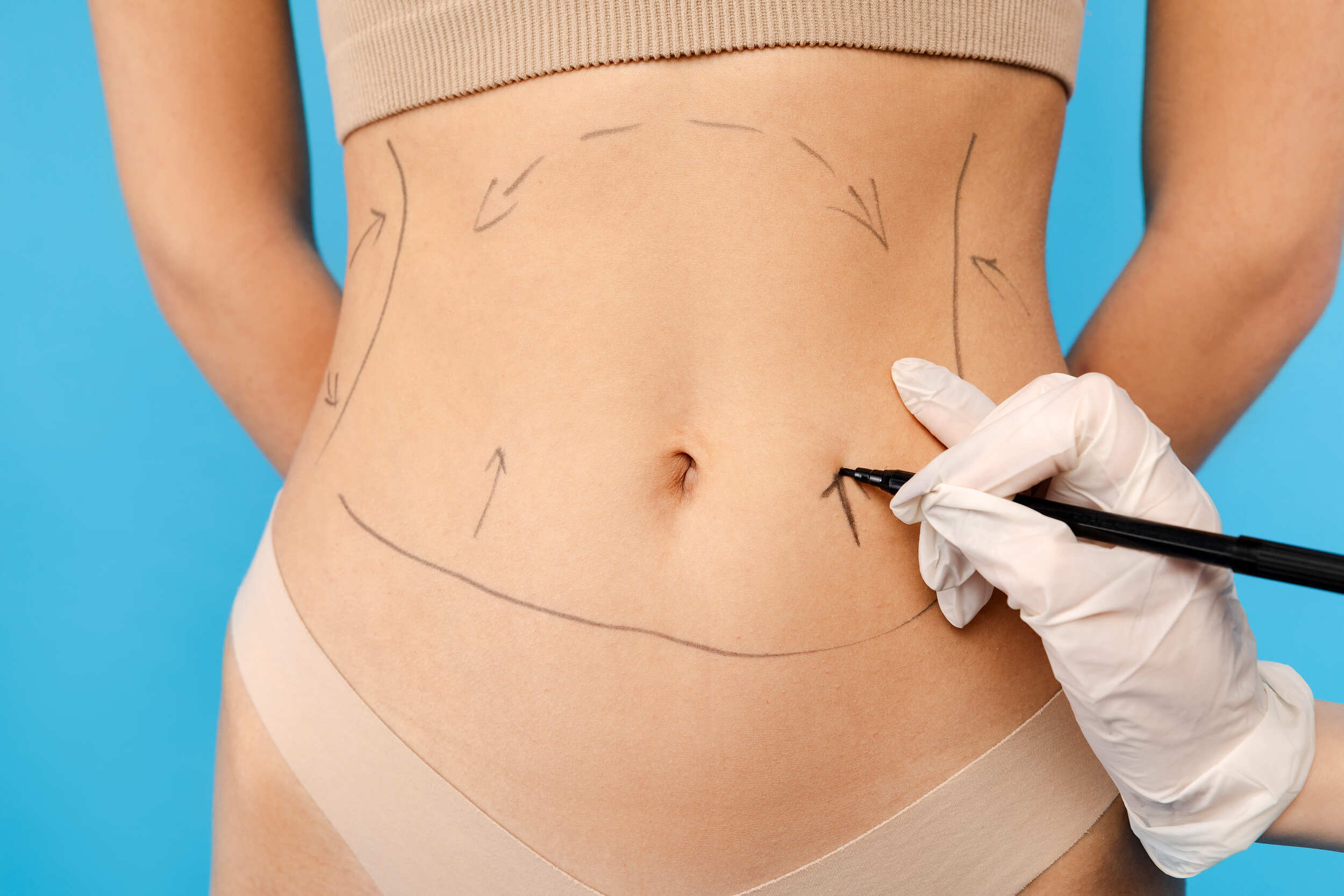
On surgery day, you may receive either local anaesthesia with sedation or general anaesthesia, depending on the extent of treatment. The surgeon marks treatment areas while you’re standing to account for natural body positioning. Small incisions (3-5mm) are strategically placed in natural skin creases when possible. The tumescent solution is injected first, followed by fat removal using the chosen technique. The surgeon carefully sculpts each area to achieve the desired contours whilst monitoring the volume of fat removed. Compression garments are applied immediately after the procedure to help minimise swelling and support healing tissues.
Immediate Post-Treatment
Following surgery, you may be monitored in a recovery room until you are fully alert. Drainage tubes may be placed temporarily to help prevent fluid accumulation. Pain medication and antibiotics are administered as prescribed. Patients can potentially return to their accommodation the same day for minor liposuction, whilst extensive procedures may require an overnight hospital stay. Initial swelling and bruising are common, and compression garments are worn continuously. Clear discharge instructions are provided, including wound care protocols and activity restrictions.
Individual results and timelines may vary. This treatment is administered as part of a comprehensive plan supervised by a healthcare professional.
Recovery & Aftercare
First 24-48 Hours
The initial recovery period requires careful attention to post-operative instructions. Patients may experience moderate discomfort that can be managed with prescribed pain medication. Some fluid drainage from incision sites is normal and should be monitored. Rest is essential, though gentle walking is encouraged to prevent blood clots. Keep compression garments on continuously except when showering (if permitted). Stay hydrated and follow prescribed medication schedules. Watch for warning signs, including excessive bleeding, severe pain, fever, or signs of infection.
First Week
During the first week, swelling and bruising may peak around day 3-4 before gradually improving. Continue wearing compression garments as directed by your surgeon. Attend your first follow-up appointment for wound check and drainage tube removal if applicable. Light activities can resume, but avoid strenuous exercise or heavy lifting. Some patients may feel well enough for gentle activities by day 5-
- Maintain a healthy diet rich in protein and vitamins to support healing. Keep incision sites clean and dry as instructed.
Long-term Recovery
Recovery from liposuction can take several months. Compression garments may be worn for several weeks as recommended by your surgeon. Patients may return to work within varying timeframes depending on their occupation and individual healing. Exercise can gradually resume with the surgeon’s approval. Results become apparent as swelling resolves over time. Some patients choose to extend their stay to combine recovery with rest. Regular follow-up appointments help ensure proper healing and address any concerns.
Considering liposuction?
Schedule a consultation to understand the complete recovery process and aftercare requirements.
Benefits of Liposuction
Liposuction may offer physical and psychological benefits when performed by qualified surgeons. The procedure aims to remove fat cells from treated areas, which can help improve body contours, allowing clothing to fit better. Some patients may experience enhanced self-confidence and body image following treatment. The procedure can address multiple areas in a single session, potentially providing comprehensive body reshaping.
Physical benefits may include improved proportions between different body areas and a reduction of fat deposits that may be resistant to lifestyle changes. The removal of fat cells means treated areas may maintain improved contours and stable weight. Some patients find increased motivation to maintain healthy habits post-procedure.
Choosing an appropriate location for your liposuction involves considering factors such as the quality of medical care and the recovery environment. A peaceful environment may aid healing, while a relaxed atmosphere could help reduce stress during recovery. Some medical facilities offer comprehensive care packages including accommodation and post-operative support.
Risks & Potential Complications
Common Side Effects
Temporary side effects are expected parts of the healing process. Swelling and bruising affect patients to varying degrees, typically resolving over time. Numbness or altered sensation in treated areas is common and usually resolves over several months. Mild to moderate pain and discomfort may be manageable with prescribed medications. Temporary firmness or lumpiness may occur as tissues heal and remodel. Small amounts of fluid drainage from incision sites may be normal for the first few days.
Rare Complications
Serious complications can occur. These include infection requiring antibiotic treatment, excessive bleeding or haematoma formation, and adverse reactions to anaesthesia. Contour irregularities or asymmetry may require revision procedures. Fat embolism is a serious complication requiring immediate medical attention. Deep vein thrombosis risk exists with any surgery involving general anaesthesia.
Choosing qualified plastic surgeons and accredited medical facilities can help reduce the risk of complications. Proper patient selection, surgical technique, and post-operative care are essential for minimising adverse outcomes. Following all pre- and post-operative instructions carefully may help support recovery.
Cost Considerations
Liposuction costs in Bali vary based on several factors. The number and size of treatment areas significantly affect overall pricing, as multiple areas require more operative time and resources. Surgeon expertise and credentials affect fees, with plastic surgeons’ rates reflecting their training and experience.
Facility fees vary between hospitals and private clinics, with accredited facilities typically charging more to cover enhanced safety standards and equipment. Anaesthesia type and duration influence costs, with general anaesthesia more expensive than local anaesthesia with sedation. The total treatment package often includes pre-operative testing, surgical fees, post-operative garments, medications, and follow-up appointments.
Medical tourism packages may bundle accommodation, transfers, and nursing care. While Bali may offer lower costs than some other locations, prioritise surgeon qualifications and facility standards when making treatment decisions. Request detailed information during consultation to understand what’s included and potential additional expenses.
Conclusion
Liposuction in Bali offers an option for body contouring while recovering in a tropical environment. This fat removal procedure may help reshape targeted areas when performed by qualified plastic surgeons. Understanding the comprehensive treatment process, recovery requirements, and importance of choosing accredited facilities can contribute to a safer experience. With proper planning and realistic expectations, liposuction may improve physical appearance.
Our Doctors
World Class Plastic Surgeons is more than a clinic it is a destination for aesthetic excellence tailored to a select audience.We are an international reference in plastic surgery procedures, offering sophistication, discretion, and innovation. We serve clients who value luxury, safety, and outstanding results.


Ready to Take the Next Step?
If you're considering liposuction in Bali, consulting with plastic surgeons can help you determine whether this procedure aligns with your body-contouring goals. With access to modern surgical facilities and comprehensive care packages, Bali offers a setting for your treatment journey.
Make An Enquiry
Got Questions? Please fill in the enquiry form below and we look forward to addressing your question.