
High-Definition Liposuction (Body Sculpting)

Medically reviewed by Dr Marco Aurélio Faria-Corrêa
Introduction
Achieving well-defined body contours can be challenging even with dedicated exercise and proper nutrition. Many individuals find that stubborn areas of fat persist despite their efforts, preventing them from achieving their desired physique. High-definition liposuction, also known as HD lipo or body sculpting, offers an option for those seeking more defined, athletic-looking body contours.
This specialised liposuction technique goes beyond traditional fat removal by strategically sculpting the body to enhance natural muscle definition and create more aesthetically pleasing proportions. Plastic surgeons in Bali utilise contemporary techniques to help patients achieve their body contouring goals safely and effectively.
What is High-Definition Liposuction?
High-definition liposuction is a body-contouring procedure that selectively removes fat deposits while aiming to preserve and highlight the underlying muscular anatomy. Unlike traditional liposuction, which focuses primarily on volume reduction, HD lipo uses techniques to create shadows and highlights that can accentuate natural muscle groups, potentially resulting in a more athletic, toned appearance.
The procedure involves using cannulas (thin tubes) to remove fat from specific areas whilst leaving strategic amounts in place to enhance muscle definition. Common treatment areas include the abdomen, flanks, chest, arms, thighs and back. The technique requires detailed anatomical knowledge and artistic vision to sculpt the body in a way that appears natural and proportionate.
High-definition liposuction may address stubborn fat deposits, a lack of muscle definition despite exercise, body asymmetry, and a desire for more athletic-looking contours. Individual results vary based on factors such as skin elasticity, body type and adherence to post-procedure care.
Who is a Suitable Candidate?
Ideal Candidates
- Adults within their ideal body weight with good muscle tone underneath fat deposits
- Individuals with good skin elasticity and minimal skin laxity
- Non-smokers or those willing to quit smoking before and after the procedure
- Patients with realistic expectations about achievable results
- Those committed to maintaining results through healthy lifestyle habits
- Individuals who have reached a stable weight for at least 6 months
- Patients seeking enhancement of muscle definition rather than weight loss
- Those with localised fat deposits resistant to diet and exercise
Contraindications
- Significant obesity or those seeking weight loss surgery
- Poor skin elasticity or excessive skin laxity requiring surgical excision
- Active infections or skin conditions in treatment areas
- Blood clotting disorders or use of blood-thinning medications
- Uncontrolled diabetes or other systemic health conditions
- Pregnancy or breastfeeding
- Unrealistic expectations about procedure outcomes
- History of poor wound healing or keloid scarring
A thorough consultation with an accredited plastic surgeon is essential to determine candidacy for high-definition liposuction. The surgeon will evaluate your medical history, examine your body composition, assess skin quality, and discuss your aesthetic goals to determine if this procedure may align with your needs.
Treatment Techniques & Approaches
VASER-Assisted HD Liposuction
VASER (Vibration Amplification of Sound Energy at Resonance) technology uses ultrasound energy to selectively break down fat cells while preserving surrounding tissues. This may allow for fat removal and potential skin retraction. The ultrasound energy liquefies fat cells, making them easier to remove while aiming to minimise trauma to blood vessels, nerves, and connective tissue.
Power-Assisted Liposuction (PAL)
Power-assisted liposuction employs a vibrating cannula that helps break up fat tissue, allowing for removal with less manual effort. This can reduce procedure time and surgeon fatigue. PAL is often combined with other technologies for body sculpting procedures.
Laser-Assisted Liposuction
Laser-assisted techniques use targeted laser energy to liquefy fat cells and stimulate collagen production. This dual action helps with fat removal while promoting skin tightening, which may be beneficial for patients with mild skin laxity. The heat generated by the laser also helps seal blood vessels, potentially reducing bruising and swelling.
Technology & Equipment Used
Modern high-definition liposuction utilises specialised cannulas of varying sizes and shapes designed for precision sculpting. Contemporary suction systems with controlled pressure settings aim for gentle, consistent fat removal. Some procedures incorporate radiofrequency devices for simultaneous skin tightening. Tumescent fluid containing local anaesthetic and vasoconstrictors is used to help minimise discomfort and bleeding during the procedure.

Wondering which approach is right for you?
Our Plastic Surgeons will evaluate your specific needs and recommend a suitable technique.
The Treatment Process
Pre-Treatment Preparation
Before a high-definition liposuction procedure, patients typically undergo a comprehensive medical evaluation, including blood tests and physical examination. Healthcare professionals may provide pre-operative instructions, which can include avoiding blood-thinning medications and supplements for a period prior to the procedure. Smoking cessation may be recommended before surgery to support healing. Patients may need to arrange transportation home and assistance for the initial post-procedure period. Fasting from midnight before morning procedures is standard protocol.
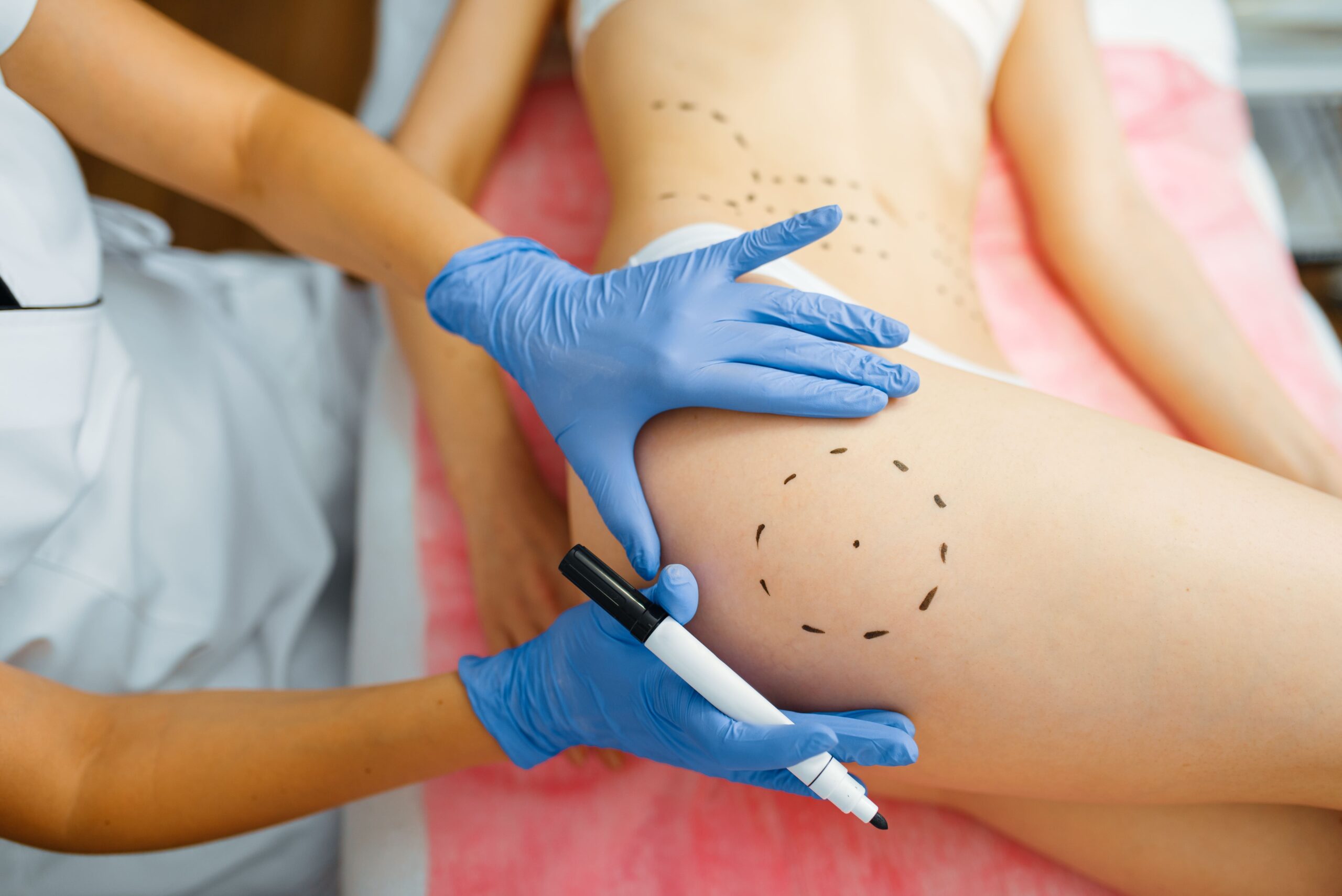
Pre-operative marking may be performed while standing to identify treatment areas and support symmetrical outcomes. Photographs are taken for medical documentation and treatment planning purposes.
During the Procedure
High-definition liposuction procedures can vary in duration depending on the treatment areas. The procedure typically begins with administration of anaesthesia – either general anaesthesia or local anaesthesia with sedation based on the extent of treatment. Tumescent solution may be infiltrated into treatment areas to help minimise bleeding and provide additional numbing.
Small incisions are strategically placed in inconspicuous locations. The chosen technology (VASER, laser, or PAL) is then applied to break down fat cells. Using specialised cannulas, the surgeon removes fat while sculpting to enhance muscle definition. The process requires meticulous attention to create natural-looking contours. Once sculpting is complete, incisions may be left open to drain or closed with sutures.
Immediate Post-Treatment
Following the procedure, patients are monitored in a recovery area until anaesthesia effects subside. Compression garments are applied to help minimise swelling and support newly contoured areas. Pain medication and antibiotics may be administered as needed. Patients commonly experience moderate discomfort, swelling, and bruising initially.
Discharge typically occurs the same day for smaller treatment areas, though extensive procedures may require overnight observation. Patients receive detailed aftercare instructions and emergency contact information. Initial drainage from incision sites is normal and managed with absorbent pads. A follow-up appointment is scheduled within the initial post-procedure period to monitor healing.
Recovery & Aftercare
First 24-48 Hours
The immediate recovery period requires rest and careful monitoring. Pain is typically manageable with prescribed medications, though discomfort levels vary by individual and extent of treatment. Compression garments must be worn continuously except when showering. Light walking is encouraged to promote circulation and prevent blood clots, but strenuous activity is prohibited.
Swelling and bruising peak during this period. Fluid drainage from incision sites is expected and normal. Stay hydrated and maintain a light, nutritious diet. Watch for signs of complications, including excessive pain, fever, or unusual discharge.
First Week
During the first week, gradual improvement in comfort and mobility may occur. Continue wearing compression garments as directed by your healthcare professional. Patients can shower after 48 hours with waterproof dressings. Return to light daily activities and work (if sedentary) may be possible after several days, depending on individual recovery.
Lymphatic drainage massage may begin after the surgeon’s approval to help reduce swelling and support contour improvement. Avoid strenuous exercise, heavy lifting, and swimming. Attend scheduled follow-up appointments for progress monitoring and suture removal if applicable.
Long-term Recovery
Full recovery from high-definition liposuction typically takes several months. Compression garments are worn for a period as directed by your healthcare professional to support optimal outcomes. Light exercise can resume after a few weeks, with gradual return to full activities as advised by your surgeon. Final results become apparent as swelling resolves over time.
Maintaining a stable weight through proper diet and exercise is important for preserving results. Sun protection for incision sites can help prevent hyperpigmentation. Regular follow-up appointments allow for outcome assessment and discussion of any further considerations.
Our Plastic Surgeons provide comprehensive post-procedure support to help ensure appropriate recovery.
Schedule your consultation to learn more about what to expect.
Benefits of High-Definition Liposuction
High-definition liposuction may offer multiple outcomes for suitable candidates. The procedure aims to create enhanced muscle definition and athletic appearance that may be difficult to achieve through exercise alone. Strategic fat removal can result in improved body proportions and symmetry, potentially creating a more balanced physique.
The technique aims to provide long-lasting results when combined with healthy lifestyle maintenance. Fat cells removed during the procedure do not regenerate, though remaining cells can expand with weight gain. Some patients report increased motivation to maintain fitness after the procedure.
Beyond aesthetic changes, the procedure may result in increased clothing fit options and improved comfort during physical activities. The procedure can address multiple areas in a single session, providing comprehensive body contouring. Recovery may be faster than traditional surgical body contouring procedures like abdominoplasty.
Individual results vary based on factors including anatomy, skin quality, body composition, and adherence to post-procedure care. Consultation with a qualified healthcare professional is essential to determine suitability and discuss realistic expectations.
Risks & Potential Complications
Common Side Effects
Swelling and bruising are expected after high-definition liposuction and typically resolve over time. Temporary numbness or altered sensation in treated areas is common, usually improving over several months. Mild to moderate discomfort can be managed with prescribed pain medication and gradually subsides.
Fluid accumulation (seroma) may occur, requiring drainage through aspiration. Temporary skin irregularities or waviness can develop but often improve with time and proper compression. Initial asymmetry due to uneven swelling typically resolves as healing progresses.
Rare Complications
Though uncommon with experienced surgeons, potential complications include infection requiring antibiotic treatment, excessive bleeding or haematoma formation, and adverse reactions to anaesthesia. Deep vein thrombosis or fat embolism are rare but serious risks requiring immediate medical attention.
Skin irregularities, contour deformities, or unsatisfactory aesthetic results may necessitate revision procedures. Prolonged swelling, persistent numbness, or changes in skin pigmentation occasionally occur. Thermal injury from energy-based devices is possible but can be minimised through proper technique.
Risk minimisation can be achieved through careful patient selection, meticulous surgical technique, and adherence to safety protocols. Choosing an accredited plastic surgeon with experience in high-definition liposuction may help reduce complication risks.
Cost Considerations
The cost of high-definition liposuction varies based on several factors, including the number and size of treatment areas, the complexity of sculpting required, and the chosen technology or technique. The surgeon’s experience and qualifications, facility fees, and anaesthesia costs also influence pricing.
Typically included in the quoted fee are pre-operative consultations and assessments, the surgical procedure and operating room costs, anaesthesia services, compression garments, and post-operative follow-up appointments. Additional costs may include pre-operative testing, medications, and potential revision procedures if needed.
Quality of care and the surgeon’s specialisation should be considerations when evaluating treatment options. A detailed consultation can provide personalised cost estimates based on your specific treatment plan and goals.
Conclusion
High-definition liposuction represents a body contouring approach that aims to create a more defined physique. Through sculpting techniques and contemporary technology, this procedure may help patients work towards a more toned appearance. The procedure involves appropriate patient selection, skilled surgical execution, and commitment to maintaining results through healthy lifestyle choices.
Understanding the comprehensive nature of the procedure, from initial consultation through long-term recovery, helps ensure realistic expectations. Whilst HD liposuction offers possibilities for body contouring, it requires careful consideration of candidacy, risks, and personal goals.
Our Doctors
World Class Plastic Surgeons is more than a clinic it is a destination for aesthetic excellence tailored to a select audience.We are an international reference in plastic surgery procedures, offering sophistication, discretion, and innovation. We serve clients who value luxury, safety, and outstanding results.


Ready to Take the Next Step?
If you're considering high-definition liposuction for body sculpting, our Plastic Surgeons can help you understand if it may be suitable for your needs. With experience in HD liposuction techniques, we provide personalised care throughout your body contouring journey.
Make An Enquiry
Got Questions? Please fill in the enquiry form below and we look forward to addressing your question.