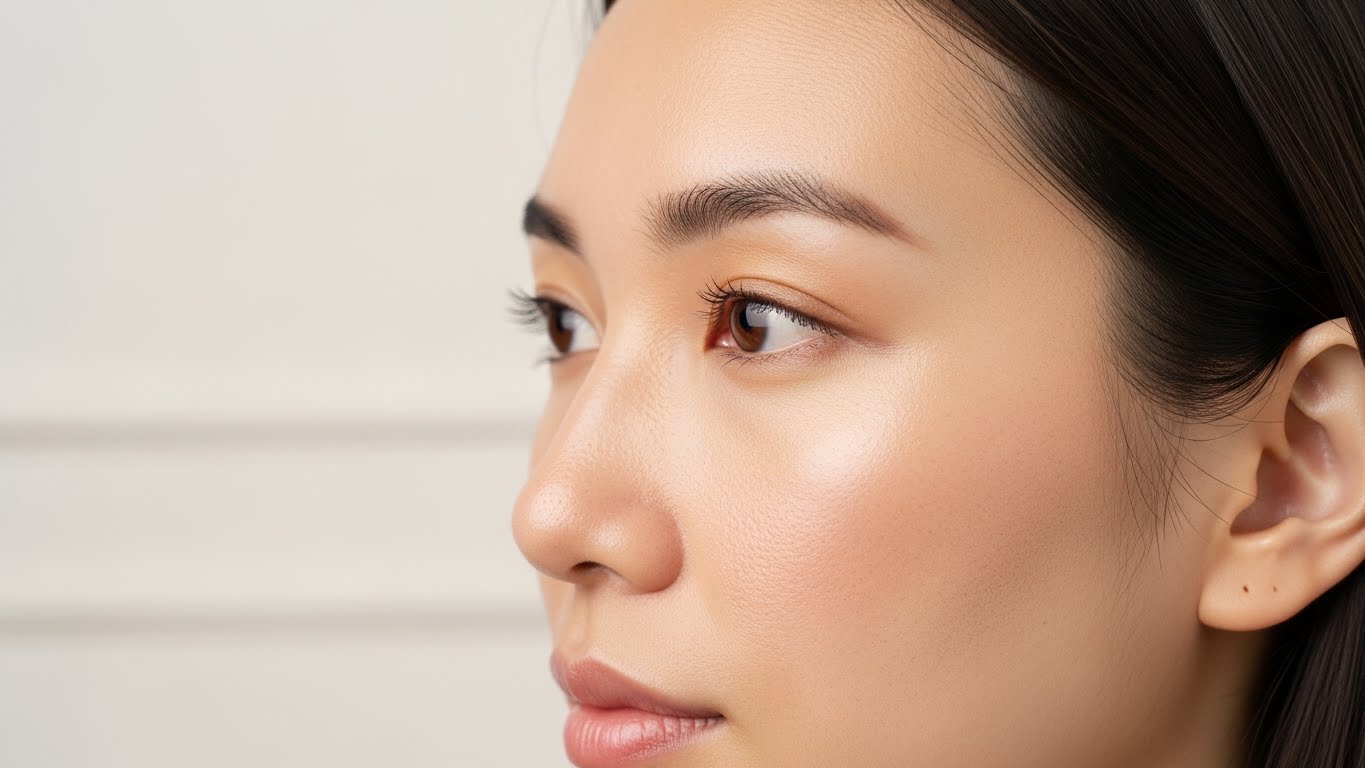
Fat Transfer to Face in Bali
Medically reviewed by Dr Marco Aurélio Faria-Corrêa
Introduction
Facial volume loss is a natural part of ageing that can affect facial contours. Fat transfer to the face is a treatment option that uses the patient’s own tissue to address volume concerns. This procedure, also known as facial fat grafting or autologous fat transfer, is available at medical facilities that offer cosmetic treatments.
Fat transfer to the face involves harvesting fat from one area of the body and transferring it to areas of the face that have experienced volume loss. This procedure aims to restore facial fullness while contouring the donor site, using the patient’s own tissue.
What is Fat Transfer to Face?
Fat transfer to the face is a minimally invasive cosmetic procedure that removes fat cells from areas with excess fat—typically the abdomen, thighs, or flanks—and injects them into facial areas that need volume enhancement. This autologous procedure (using your own tissue) eliminates concerns about allergic reactions or rejection that can occur with synthetic fillers.
The harvested fat undergoes careful processing and purification before being injected into targeted facial areas. Common treatment zones include hollow cheeks, under-eye areas, temples, nasolabial folds, marionette lines, lips, and the jawline. The procedure redistributes your body’s fat to create more balanced facial proportions.
Unlike temporary dermal fillers that require regular maintenance, fat transfer may provide longer-lasting results as the successfully grafted fat cells can establish a blood supply and become integrated into the facial structure.
The procedure can address multiple aesthetic concerns—restoring volume, smoothing wrinkles and folds, and enhancing facial contours. This treatment is administered as part of a comprehensive plan supervised by a healthcare professional.
Who is a Suitable Candidate?
Ideal Candidates
- Adults experiencing age-related facial volume loss, particularly in cheeks, temples, or under-eye areas
- Individuals with facial asymmetry seeking correction and balance
- Patients wanting longer-lasting results than temporary fillers may be provided with
- Those with adequate donor fat sites for harvesting
- Non-smokers or those willing to quit before and after the procedure
- Individuals with realistic expectations about achievable outcomes
- Patients seeking facial rejuvenation without synthetic materials
- Those combining facial rejuvenation with body contouring at donor sites
- People with good skin elasticity
Contraindications
- Active infections or inflammatory conditions at treatment or donor sites
- Blood clotting disorders or use of blood-thinning medications
- Uncontrolled diabetes affects healing capacity
- Autoimmune diseases that may impact fat graft survival
- Unrealistic expectations about transformation
- Insufficient body fat for harvesting
- Active smoking (may reduce graft survival)
- Recent significant weight fluctuations
- Pregnancy or breastfeeding
A thorough consultation with an experienced plastic surgeon is essential to determine whether you are a suitable candidate for fat transfer. Your medical history, facial anatomy, available donor sites, and aesthetic goals will all factor into creating a personalised treatment plan that addresses your specific concerns whilst ensuring safety.
Treatment Techniques & Approaches
Harvesting Techniques
The fat-harvesting process can affect graft survival. Modern liposuction techniques use small cannulas with gentle suction to reduce trauma to fat cells. A standard method involves the tumescent technique, where a solution containing local anaesthetic and epinephrine is injected into the donor area before fat extraction. This may reduce bleeding and bruising, improve patient comfort, and potentially preserve fat cell viability.
Power-assisted liposuction (PAL) or water-assisted liposuction (WAL) may be employed for gentler fat extraction. These methods may reduce mechanical trauma to fat cells, potentially supporting graft survival.
Processing Methods
Once harvested, the fat undergoes processing to remove excess fluids, blood, and damaged cells. The centrifugation method involves spinning the harvested fat at specific speeds to separate viable fat cells from other components. Alternatively, the decantation and washing technique allows gravity separation followed by gentle rinsing with saline solution.
Some practitioners utilise processing systems that create micro-fat or nano-fat preparations. Micro-fat can be used for volumisation, whilst nano-fat, though lacking viable fat cells, contains stem cell concentrations that may benefit skin rejuvenation.
Injection Techniques
The refined fat is carefully injected using blunt-tip cannulas to reduce trauma and support even distribution. The microdroplet technique involves depositing small amounts of fat in multiple tissue planes, creating a three-dimensional lattice that may improve blood supply to grafted cells. This approach aims to support graft survival and create natural-looking results.
Strategic placement considers facial anatomy, existing volume distribution, and aesthetic goals. The surgeon may slightly overfill the treatment areas to account for expected volume reduction during healing. Individual results and timelines may vary. This treatment is administered as part of a comprehensive plan supervised by a healthcare professional.

Considering which fat transfer approach might suit your facial rejuvenation goals?
Our experienced plastic surgeons will evaluate your specific needs and discuss suitable technique options.
5. The Treatment Process
Pre-Treatment Preparation
Your journey begins with a comprehensive consultation including medical history review, physical examination, and facial analysis. Pre-operative photographs may document your baseline appearance. Blood tests may be required to ensure you’re suitable for the procedure. You’ll receive detailed instructions about medications to avoid (particularly blood thinners and certain supplements) for two weeks before treatment.
Smoking cessation is recommended at least four weeks before and after the procedure to support healing and graft survival. Arrange for someone to drive you home and assist you for the first 24 hours post-procedure. Prepare your recovery area with prescribed medications, cold compresses, and extra pillows for head elevation.
During the Procedure
On treatment day, the surgical team marks both donor and recipient sites whilst you’re standing. The procedure typically takes 2-4 hours, depending on the extent of fat transfer required and the number of facial areas being treated. Local anaesthesia with sedation or general anaesthesia may be used based on the scope of treatment and patient preference.
The surgeon begins by infiltrating the donor site with a tumescent solution before harvesting fat through small incisions. The extracted fat is processed immediately whilst you’re prepared for the injection phase. Using specialised cannulas, the surgeon injects processed fat into predetermined facial areas, sculpting and moulding to achieve the planned contours. This phase requires significant expertise to create balanced, natural results.
Immediate Post-Treatment
Following the procedure, you’ll recover in a monitored setting until the anaesthesia effects subside. Compression garments are applied to donor sites to minimise swelling and support healing. Your face may appear fuller initially—this is planned to account for expected volume changes during healing.
Ice packs may help manage facial swelling, though they must be used carefully to avoid compromising graft survival. Pain medication and antibiotics are typically prescribed. Patients can typically return to their accommodation the same day, though some prefer overnight observation for added comfort and care.
6. Recovery & Aftercare
First 24-48 Hours
The initial recovery period requires careful attention to both the facial and donor sites. Facial swelling typically peaks around day two or three, with patients potentially experiencing significant puffiness that temporarily affects appearance. This is a regular part of the healing process and may begin subsiding after 72 hours. Keep your head elevated, even while sleeping, to help minimise swelling and promote proper drainage.
Apply cold compresses gently for 15-minute intervals, avoiding direct pressure on grafted areas. Donor sites may feel sore and bruised—wearing compression garments as directed can help minimise swelling and support skin retraction. Take prescribed medications on schedule and maintain hydration with plenty of water. Avoid touching or massaging your face unless your surgeon specifically instructs you to do so.
First Week
Swelling may gradually decrease, though morning puffiness remains common. Bruising typically transitions from purple to yellow-green before fading within 10-14 days. Patients may feel comfortable appearing in public with concealer makeup after 7-10 days, though individual timelines vary.
Gentle walking promotes circulation and healing, but avoid strenuous activities, bending over, or heavy lifting. Maintain a soft diet initially if the jaw or lip areas were treated. Attend your follow-up appointment for assessment and suture removal if needed. Sleep on your back to avoid pressure on grafted areas. Sun protection becomes crucial—use broad-spectrum SPF and wear a hat when outdoors.
Long-term Recovery
By week three to four, most swelling typically resolves, though subtle changes can continue for several months. The transferred fat gradually establishes a blood supply, with results becoming apparent over 3-6 months as surviving fat cells integrate. The transferred fat gradually establishes a blood supply, with results becoming apparent over 3-6 months as surviving fat cells integrate. During this period, a portion of the transferred fat naturally absorbs, leaving the remaining volume enhancement.
Resume normal activities, including exercise, after 3-4 weeks with surgeon approval. Maintain a stable weight, as significant fluctuations may affect facial volume. Regular gentle facial massage after the first month may help achieve smooth, even results. Protect results with consistent skincare, including sun protection and moisturisation.
Our plastic surgeons in Bali provide comprehensive post-procedure support to help with recovery.
Schedule your consultation to learn more about what to expect.
Benefits of Fat Transfer to Face
Fat transfer to the face offers advantages for facial rejuvenation. The procedure uses your own tissue, which may help reduce concerns about synthetic materials or allergic reactions. The transferred fat contains stem cells that may improve skin quality, texture, and tone beyond volume restoration. Some patients may notice their skin appears healthier in treated areas.
The procedure provides body contouring at donor sites whilst enhancing facial features. Unlike temporary fillers that require regular touch-ups, fat grafting aims to offer longer-lasting results. The soft, pliable nature of fat can create results that look and feel natural, moving with facial expressions.
Fat transfer may address multiple ageing concerns—restoring volume, softening wrinkles, improving facial contours, and enhancing skin quality. The procedure can be customised to treat various areas from under-eye hollows to comprehensive facial volumisation. For patients seeking natural, longer-term facial rejuvenation without synthetic materials, fat transfer may be a suitable option.
Risks & Potential Complications
Common Side Effects
Swelling and bruising at both facial and donor sites commonly occur, typically resolving within 2-4 weeks, though individual healing timelines vary. Temporary numbness or altered sensation may occur in treated areas and may normalise over time. Initial asymmetry may appear due to uneven swelling but may resolve as healing progresses.
Mild discomfort at donor sites may respond to prescribed pain medication. Patients may experience temporary firmness or lumpiness in treated areas that may soften with gentle massage after the first month. Overcorrection immediately post-procedure may be intentional and may resolve as swelling subsides and some fat naturally absorbs.
Rare Complications
Potential complications include infection at the injection or donor sites, which may require antibiotic treatment. Fat necrosis or cyst formation may occur if large volumes are injected into single areas. Asymmetry may occur and, in some cases, require revision procedures.
Fat embolism can occur if fat enters blood vessels—proper injection technique aims to minimise this risk. Patients may experience unpredictable fat absorption rates, leading to less volume retention than anticipated. Surface irregularities or visible lumps may occur and could require additional treatments for correction.
Choosing an experienced plastic surgeon who has training in fat transfer techniques may help minimise these risks. Proper surgical technique, appropriate patient selection, and adherence to post-operative instructions may contribute to outcomes.
Cost Considerations
The cost of fat transfer to the face varies based on several factors, including the extent of treatment, the number of facial areas addressed, and the complexity of your individual case. The surgeon’s experience and the facility’s credentials also influence pricing. Generally, costs may include surgeon fees, facility charges, anaesthesia, processing equipment, post-operative garments, and follow-up care.
While fat transfer typically requires higher initial investment than temporary fillers, the results can be long-lasting. Consider that dermal fillers require regular maintenance, whereas fat transfer aims to provide volume enhancement that may last longer. Some patients find the potential dual benefit of body contouring at donor sites adds value to the overall treatment.
International patients should factor in accommodation, travel, and extended stay for follow-up appointments when budgeting for treatment. During consultation, you’ll receive a detailed quote based on your specific treatment plan and requirements.
Conclusion
Fat transfer to the face represents an approach to facial rejuvenation that uses the patient’s own tissue for volume restoration and contour enhancement. By redistributing fat from donor areas to address facial volume loss, this procedure aims to provide natural-looking aesthetic improvement with potentially long-lasting results.
The dual benefits of body contouring at donor sites while enhancing facial features, combined with the potential for improved skin quality through stem cell transfer, make fat transfer a consideration for those seeking comprehensive facial rejuvenation without synthetic materials. Understanding the procedure, recovery timeline, and realistic outcomes helps ensure informed decision-making aligned with your aesthetic goals.
Choosing to undergo fat transfer in Bali provides access to experienced plastic surgeons and modern medical facilities, with the opportunity for recovery in a peaceful, tropical setting. Success depends on selecting qualified surgeons who understand both the technical precision and artistic aspects of facial fat grafting.
Our Doctors
World Class Plastic Surgeons is more than a clinic it is a destination for aesthetic excellence tailored to a select audience.We are an international reference in plastic surgery procedures, offering sophistication, discretion, and innovation. We serve clients who value luxury, safety, and outstanding results.


Ready to Take the Next Step?
If you're considering fat transfer to the face in Bali, our Plastic Surgeons can help you determine whether this procedure is suitable for your facial rejuvenation goals. With specialized training in facial fat grafting techniques, we provide personalized care throughout your treatment journey.
Make An Enquiry
Got Questions? Please fill in the enquiry form below and we look forward to addressing your question.