

Eyelid Surgery (Blepharoplasty) in Bali
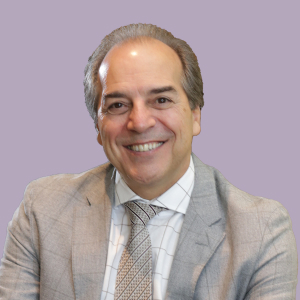
Medically reviewed by Dr Marco Aurélio Faria-Corrêa
Introduction
If drooping eyelids or under-eye bags are affecting your appearance, you may be considering eyelid surgery. Blepharoplasty is a facial rejuvenation procedure for both men and women who seek to address concerns about their eyes.
This surgical procedure addresses excess skin, fat deposits, and muscle laxity in the upper and lower eyelids, which may help rejuvenate the appearance of the eyes. It can also improve peripheral vision when drooping upper eyelids obstruct sight.
Our Plastic Surgeons combine surgical technique with clinical expertise to aim for natural-looking results tailored to your facial anatomy. Individual results and timelines may vary.
What is Eyelid Surgery (Blepharoplasty)?
Blepharoplasty is a surgical procedure that may remove excess skin, reposition fat deposits, and tighten muscles around the eyelids. The method can be performed on upper eyelids, lower eyelids, or both, depending on individual needs and goals. Upper blepharoplasty addresses hooded or drooping eyelids caused by skin laxity and weakened muscles, whilst lower blepharoplasty targets under-eye bags, puffiness, and excess skin.
The surgery involves incisions placed within natural creases or inside the eyelid to minimise visible scarring. Through these incisions, surgeons may remove or redistribute tissue to create a refreshed appearance of the eye.
Contemporary blepharoplasty techniques aim to preserve natural eye shape and expression whilst achieving rejuvenation. The procedure can address both functional concerns, such as impaired vision from severely drooping upper lids, and cosmetic goals for facial harmony. When performed by experienced surgeons, blepharoplasty may achieve improvements while maintaining natural facial expressions and eye movement. Individual results and timelines may vary. This treatment is administered as part of a comprehensive plan supervised by a healthcare professional.
Who is a Suitable Candidate?
Potential Candidates
- Adults with excess, sagging skin in the upper eyelid area
- Individuals with under-eye bags that persist despite adequate rest
- Those experiencing drooping lower eyelids
- Patients with excess upper eyelid skin that may affect peripheral vision
- Non-smokers or those willing to quit before and after surgery
- Individuals with realistic expectations about surgical outcomes
- Those in good general health without severe eye conditions
- Patients concerned about inherited traits affecting eyelid appearance
Contraindications
- Active eye infections or inflammation
- Uncontrolled glaucoma or dry eye syndrome
- Thyroid disorders affecting the eyes (Graves’ disease)
- Cardiovascular conditions that increase surgical risks
- Blood clotting disorders or use of blood-thinning medications that cannot be stopped
- Detached retina or other severe eye conditions requiring treatment
- Unrealistic expectations about surgical results
A thorough evaluation by a plastic surgeon is essential to determine candidacy for blepharoplasty. During consultation, your medical history, eye health, and aesthetic goals will be carefully assessed to determine if the procedure is appropriate and safe for your individual circumstances.
Treatment Techniques & Approaches
Upper Eyelid Blepharoplasty
Upper eyelid surgery involves creating an incision along the natural eyelid crease, extending slightly beyond the outer corner when necessary. Through this incision, excess skin and protruding fat pads may be removed or repositioned. The orbicularis muscle may be tightened if significant laxity exists. This technique can help address hooded eyelids and restore the natural definition of the eyelid crease.
Lower Eyelid Blepharoplasty
Lower eyelid surgery can be performed through two primary approaches. The transcutaneous approach involves an incision just below the lash line, allowing removal of excess skin and access to fat compartments. The transconjunctival approach places the incision inside the lower eyelid, which may be suitable for younger patients with good skin elasticity who primarily need fat removal or repositioning without skin excision.
Combination Techniques
Patients may benefit from simultaneous upper and lower blepharoplasty to achieve comprehensive periorbital rejuvenation. Additional techniques, like canthopexy or canthoplasty, may be incorporated to support the lower eyelid position and help prevent post-surgical complications. Fat transposition techniques redistribute rather than remove fat, aiming to maintain youthful volume while addressing bags.
Technology & Equipment Used
Contemporary blepharoplasty employs precision surgical instruments, including specialised scissors, forceps, and cautery devices for meticulous tissue handling. Some surgeons utilise CO2 lasers for incisions and skin resurfacing, which may help reduce bleeding and promote healing. Magnification through surgical loupes can help ensure precise tissue removal and suture placement.

Wondering which approach might be suitable for you?
Plastic surgeons can evaluate your specific needs and discuss the available techniques.
The Treatment Process
Pre-Treatment Preparation
Before your blepharoplasty procedure, you’ll undergo a comprehensive eye examination and medical evaluation to ensure surgical safety. Blood tests and cardiac clearance may be required for older patients or those with medical conditions. You’ll need to stop blood-thinning medications, supplements, and smoking at least two weeks before surgery. Arrange for someone to drive you home and stay with you for the first 24 hours after surgery.
Pre-operative photographs will be taken for surgical planning and documentation. You’ll receive detailed instructions about fasting requirements, typically no food or drink after midnight before morning surgery. Remove all makeup, contact lenses, and jewellery before arriving at the surgical facility. Prescription medications for post-operative care should be filled in advance.
During the Procedure
Blepharoplasty typically begins with local anaesthesia with sedation, though general anaesthesia may be used for extensive procedures or at the patient’s request. The surgeon carefully marks the planned incisions while you’re upright to account for gravity’s effects. For upper eyelids, excess skin is measured and removed along with herniated fat pads if present.
Lower eyelid surgery involves either external or internal incision placement based on your specific needs. Fat is removed, repositioned, or redistributed to address bags while maintaining volume. Excess skin is trimmed if necessary. The procedure typically takes 1-2 hours for both upper and lower eyelids. Throughout surgery, attention is paid to achieving symmetry between both eyes.
Immediate Post-Treatment
After surgery, you’ll recover in a monitored area while anaesthesia effects subside. Cold compresses are applied to help minimise swelling and bruising. Your vision may be temporarily blurry from the protective ointment applied to your eyes. Patients may experience discomfort that can be managed with prescribed pain medication.
Before discharge, you’ll receive detailed aftercare instructions and schedule your first follow-up appointment. Someone must accompany you home, as you cannot drive immediately after surgery. Initial eye tearing, light sensitivity, and mild discomfort are normal. You’ll be instructed to keep your head elevated and continue cold compress application at home.
Recovery & Aftercare
First 24-48 Hours
The initial recovery period requires rest with your head elevated at 45 degrees, even while sleeping. Apply cold compresses for 10-15 minutes every hour while awake to minimise swelling. Apply the prescribed antibiotic ointment to incisions as directed. Avoid rubbing your eyes or any strenuous activities.
Pain is typically mild and may be managed with prescribed medications. Some bloody tears or discharge may occur initially. Vision may remain blurry from ointments and swelling. Avoid watching television, reading, or using a computer to prevent eye strain. Wear sunglasses when exposed to bright light.
First Week
Sutures may be removed 5-7 days post-surgery if non-dissolvable sutures were used. Bruising and swelling may peak around day 3-4 before gradually improving. You may be able to return to light desk work after several days, though visible bruising may persist. Makeup can typically be worn after one week to camouflage residual bruising.
Continue sleeping with your head elevated and avoiding strenuous activities. Eye drops may be prescribed to prevent dryness. Gentle walking is encouraged to promote circulation. Avoid bending over, lifting heavy objects, or activities that increase blood pressure. Avoid contact lens wear for at least two weeks.
Long-term Recovery
Swelling may resolve within several weeks, though subtle swelling may persist for several months. Results become apparent as tissues heal and settle. Incision lines continue fading over the first year. Sun protection with sunglasses and sunscreen is essential for healing.
Regular exercise can typically resume after several weeks with the surgeon’s approval. The results of blepharoplasty may be long-lasting, though natural ageing continues. Results may vary by individual anatomy and healing response. Maintaining healthy lifestyle habits may help preserve your appearance.
Our Plastic Surgeons provide post-procedure support to help with recovery.
Schedule your consultation to learn more about what to expect.
Benefits of Eyelid Surgery (Blepharoplasty)
Blepharoplasty may offer functional and aesthetic outcomes that can help improve quality of life. The procedure aims to address droopy eyelids and under-eye bags, which may help create a more alert appearance. Some patients may find they appear more approachable, which could positively impact personal and professional interactions.
For those with severe upper eyelid drooping, the surgery may help improve peripheral vision, potentially making daily activities like driving and reading easier. The removal of excess skin may reduce the heavy feeling some experience with hooded eyelids. Lower eyelid surgery aims to address persistent puffiness, helping restore smoother under-eye contours.
The procedure may also provide psychological benefits. Patients might experience increased self-confidence and satisfaction with their appearance. When performed by an experienced surgeon, the results can appear natural, enhancing rather than altering your fundamental appearance. Unlike temporary options, surgical results may provide longer-lasting improvement. The procedure’s effects on facial harmony may help patients appear refreshed. Individual results and timelines may vary. This treatment is administered as part of a comprehensive plan supervised by a healthcare professional.
Risks & Potential Complications
Common Side Effects
Temporary swelling and bruising around the eyes may occur and can take several weeks to resolve. Mild discomfort, tearing, and light sensitivity may occur initially. Temporary blurred vision from ointments and swelling can occur during early recovery. Some patients may experience dry eyes, requiring the use of artificial tears.
Minor asymmetry during healing can occur as each eye may heal at different rates. Temporary numbness along incision lines may gradually resolve as nerves regenerate. These effects can be managed with proper aftercare.
Rare Complications
Complications can occur with any surgical procedure. Infection risk exists and is managed through sterile technique and appropriate antibiotics when indicated. Scarring may occur and can be treated if needed. Difficulty completely closing the eyes may occur temporarily.
Ectropion, where the lower eyelid pulls away from the eye, may occur and requires careful surgical planning to prevent it. Vision changes are rare but require immediate medical attention if they arise. Haematoma formation may occur and could require drainage. The extent and likelihood of complications vary by individual anatomy, healing response, and other factors. Your surgeon will discuss specific risks relevant to your case during consultation.
Cost Considerations
The cost of blepharoplasty varies based on several factors, including the complexity of your case and whether upper, lower, or both eyelids require treatment. Surgeon experience and facility standards may influence pricing. The total cost typically includes surgeon fees, facility costs, anaesthesia, and post-operative care materials.
Additional procedures performed simultaneously, such as brow lifts or facial fat grafting, may affect overall costs. Pre-operative testing and medications are usually separate expenses. Some patients may require specialised techniques like fat repositioning or canthopexy, which may increase surgical time and cost.
Quality should be a primary consideration when choosing your surgical team. Experienced surgeons with proven results can deliver value through safer procedures and better professional outcomes. During consultation, you’ll receive a detailed quote tailored to your specific surgical plan and aesthetic goals.
Conclusion
Eyelid surgery offers an option for addressing both functional and aesthetic concerns around the eyes. Through careful surgical planning and precise technique, blepharoplasty may help create a refreshed appearance whilst potentially improving vision affected by drooping eyelids. The procedure can provide lasting results for suitable candidates. With proper surgical technique and attentive aftercare, patients may achieve natural-looking rejuvenation that can enhance their overall facial harmony.
Our Doctors
World Class Plastic Surgeons is more than a clinic it is a destination for aesthetic excellence tailored to a select audience.We are an international reference in plastic surgery procedures, offering sophistication, discretion, and innovation. We serve clients who value luxury, safety, and outstanding results.


Ready to Take the Next Step?
If you're considering blepharoplasty in Bali, our Plastic Surgeons can help you understand if it's the right choice for your needs. With experience in eyelid surgery, we provide personalised care throughout your journey.
Make An Enquiry
Got Questions? Please fill in the enquiry form below and we look forward to addressing your question.