
Breast Implant Removal (Explant) in Bali

Medically reviewed by Dr Marco Aurélio Faria-Corrêa
Introduction
For women considering breast implant removal, whether due to medical concerns, personal preference, or lifestyle changes, finding appropriate surgical care is an important consideration. Breast implant removal, also known as explant surgery, is a procedure that requires careful planning and surgical knowledge. Bali offers access to qualified plastic surgeons in modern medical facilities for international patients considering this procedure. This comprehensive guide explores information about breast implant removal in Bali, from understanding the procedure itself to navigating the practical aspects of medical travel.
Individual results and treatment experiences may vary. Consultation with a qualified healthcare professional is essential to determine the most appropriate treatment approach.
What is Breast Implant Removal (Explant)?
Breast implant removal, commonly called explant surgery, is a surgical procedure to remove previously placed breast implants. This procedure involves carefully extracting the implants, along with any surrounding scar tissue (capsule) that may have formed. The surgery can be performed for various reasons, including implant complications, changes in aesthetic preferences, or concerns about implant-related health issues.
The procedure typically involves making incisions along the same sites used for the original implant placement, though the exact approach depends on individual circumstances. During explant surgery, the plastic surgeon carefully removes the implants whilst preserving as much healthy breast tissue as possible. In many cases, plastic surgeons also perform capsulectomy, the removal of scar tissue that naturally forms around implants, which can be partial or complete, depending on the patient’s needs and the condition of the capsule.
Explant surgery may address various concerns, including capsular contracture (hardening of scar tissue), implant rupture or leakage, breast implant illness symptoms, or simply the desire to return to a more natural breast appearance. The procedure can be performed alone or combined with other techniques such as breast lift (mastopexy) or fat grafting.
Who is a Suitable Candidate?
Potential Candidates
- Women experiencing physical discomfort or pain related to their breast implants
- Patients with confirmed or suspected implant rupture or leakage
- Those diagnosed with capsular contracture affecting implant position or causing discomfort
- Women experiencing symptoms they attribute to their implants (fatigue, joint pain, cognitive issues)
- Patients whose lifestyle or aesthetic preferences have changed since implant placement
- Those seeking removal for personal reasons
- Women in good general health are able to undergo surgery and recovery
- Patients with realistic expectations about post-removal breast appearance
Contraindications
- Active breast infection or unresolved breast disease requiring treatment
- Uncontrolled medical conditions that may increase surgical risks
- Blood clotting disorders or medications that cannot be safely discontinued
- Unrealistic expectations about immediate aesthetic outcomes
- Pregnancy or current breastfeeding (surgery should be postponed)
- Recent radiotherapy to the chest area
A thorough consultation with a plastic surgeon is essential to determine individual suitability for explant surgery. The surgeon will evaluate your medical history, current implant condition, and specific goals to create an appropriate surgical plan.
Treatment Techniques & Approaches
En Bloc Capsulectomy
En bloc capsulectomy removes the implant and the surrounding capsule as a single unit, without disrupting the capsule. This technique may be considered when there’s concern about silicone leakage or when patients request complete capsule removal. The procedure requires larger incisions but aims to remove the entire capsule and any potential contaminants intact. Healthcare professionals carefully dissect around the capsule to preserve surrounding tissue while maintaining capsule integrity during removal.
Total Capsulectomy
Total capsulectomy removes all scar tissue capsule, but not necessarily in one piece with the implant. The implant is removed first, followed by systematic removal of all visible capsule tissue. This approach may be suitable when the capsule is thin or when en bloc removal isn’t feasible due to capsule adherence to surrounding structures. The technique allows for thorough capsule removal while potentially requiring smaller incisions than en bloc removal.
Partial Capsulectomy
In partial capsulectomy, only portions of the capsule are removed, typically the thickened, calcified, or problematic portions. The remaining healthy, thin capsule tissue is left in place as it gets reabsorbed by the body over time. This approach may result in shorter surgery time and potentially easier recovery whilst still addressing problematic capsule areas.
Technology & Equipment Used
Modern surgical facilities utilise established surgical equipment, including high-definition endoscopic cameras for improved visualisation, specialised retractors designed for breast surgery, and electrocautery devices for precise tissue dissection. Some surgeons also employ ultrasound technology to assess implant integrity before and during surgery.
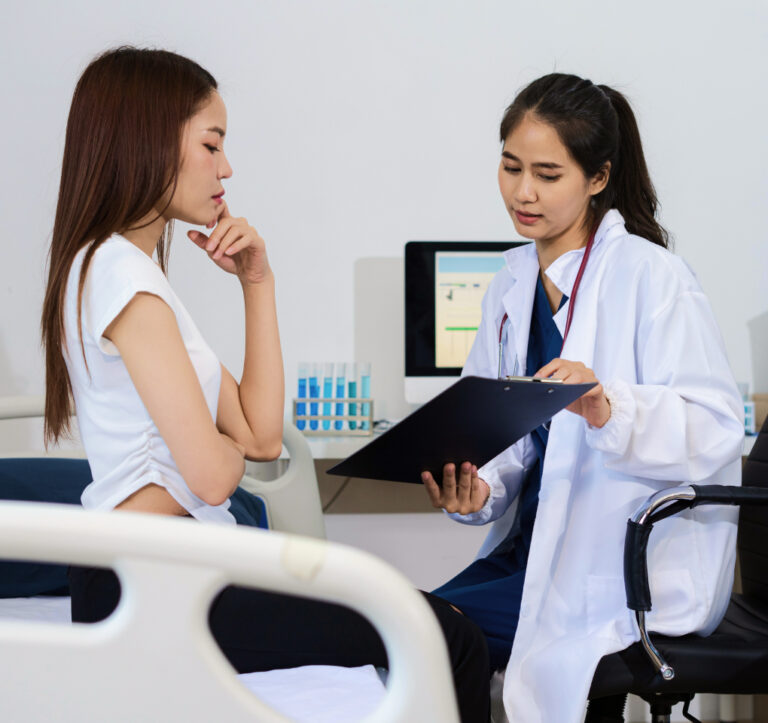
Wondering which explant technique might be suitable for you?
Plastic surgeons can evaluate your specific needs and discuss the available approaches.
The Treatment Process
Pre-Treatment Preparation
Before travelling to Bali for breast implant removal, patients undergo virtual consultations to discuss their medical history and surgical goals. Required preparations may include obtaining recent mammograms or ultrasounds to assess the current condition of the implant, blood tests to ensure surgical fitness, and an ECG if indicated by age or medical history. Patients may need to discontinue blood-thinning medications and supplements as directed by their surgeon.
Travel arrangements could include arriving in Bali at least 2-3 days before surgery to allow for final consultations and acclimatisation. Patients may need to arrange accommodation near the surgical facility and have a companion for post-operative support. Pre-operative instructions typically include fasting from midnight before surgery and avoiding smoking for at least four weeks prior to optimising healing.
During the Procedure
On the day of surgery, patients undergo final markings and consultation with the plastic surgeon. General anaesthesia is administered by an anaesthesiologist. The procedure duration varies depending on the complexity and whether capsulectomy is performed. The surgeon makes incisions, usually through the original implant insertion sites – either inframammary (under the breast), periareolar (around the nipple), or transaxillary (through the armpit).
The implants are carefully removed, followed by capsule removal if indicated. The plastic surgeon inspects the implant pocket thoroughly, aims to achieve proper haemostasis (bleeding control), and may place surgical drains to help prevent fluid accumulation. The incisions are then closed in layers using dissolvable sutures, and dressings are applied. Patients are moved to recovery where they’re monitored as they wake from anaesthesia.
Immediate Post-Treatment
Following surgery, patients typically spend time in the recovery room under close monitoring. Pain management begins immediately with prescribed medications to help ensure comfort. Most patients can return to their accommodation the same day, though some may stay overnight at the facility for observation. Surgical drains, if placed, are typically removed within a few days.
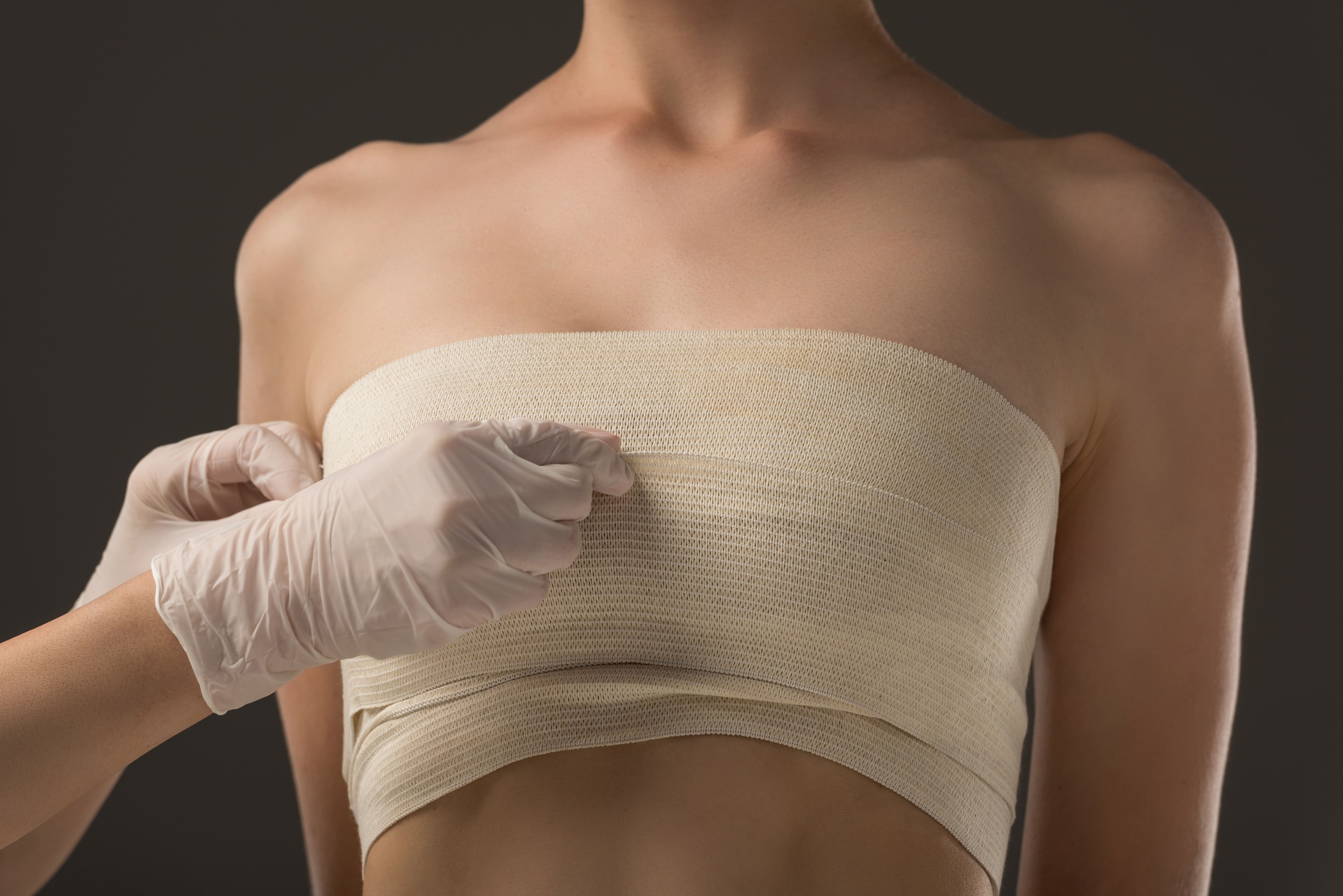
Initial post-operative care may include wearing a surgical compression garment to help minimise swelling and support healing tissues. Patients receive detailed instructions about wound care, medication schedules, and activity restrictions. The surgical team provides contact information for any concerns during recovery.
Recovery & Aftercare
First 24-48 Hours
The immediate recovery period requires rest with the upper body elevated to reduce swelling. Pain may be manageable with prescribed medications, though some discomfort and tightness in the chest area are normal. Patients should avoid lifting their arms above shoulder level and refrain from any strenuous activities. Light walking is encouraged to promote circulation and prevent blood clots.
Wound care involves keeping incisions clean and dry and performing dressing changes as directed. Any surgical drains require monitoring and recording of output. Warning signs requiring immediate medical attention include excessive bleeding, severe pain unresponsive to medication, high fever, or signs of infection. Patients may be able to perform basic self-care activities with assistance.
First Week
Swelling and bruising may peak around day 3-4 before gradually improving. Patients return for their first follow-up appointment to assess the wound and consider drain removal. The compression garment should be worn continuously except when showering (once permitted). Patients can resume light daily activities but should continue avoiding heavy lifting or vigorous arm movements.
Pain medication can be reduced to over-the-counter options as appropriate. Gentle arm exercises as prescribed help prevent stiffness whilst protecting the surgical sites. International patients often choose to remain in Bali during this initial recovery period to ensure easy access to their surgical team for follow-up care.
Long-term Recovery
Complete healing occurs over time, with results visible as swelling resolves and tissues settle. Patients can return to work depending on the nature of their occupation. Exercise can be gradually resumed as advised by the healthcare team, starting with lower-body workouts before incorporating upper-body activities.
Scar management begins once incisions are fully healed, using appropriate products to support healing. Regular breast self-examinations and routine mammograms remain important for breast health monitoring. Some patients may experience temporary changes in breast sensation that may improve over time.
Our Plastic Surgeons provide post-procedure support to help with recovery.
Schedule your consultation to learn more about what to expect.
Benefits of Breast Implant Removal (Explant)
Breast implant removal may offer physical and psychological benefits for suitable candidates. Some patients report relief from physical symptoms such as chest heaviness, back pain, and shoulder discomfort associated with their implants. Removing problematic implants can help address issues like capsular contracture, which may reduce associated discomfort and breast distortion.
For patients experiencing systemic symptoms they attribute to their implants, explant surgery may help with energy levels, cognitive function, and overall well-being. Individual results and experiences vary significantly. The procedure eliminates ongoing concerns about implant integrity, rupture risk, and the need for future implant replacements. Some women appreciate returning to a more natural breast appearance and the freedom from implant-related maintenance.
Psychological benefits may include reduced anxiety about implant-related health concerns and improved body confidence. Patients may feel more comfortable during physical activities and appreciate the ease of mammogram screenings without implants. The procedure can provide peace of mind for those concerned about long-term implant safety.
Risks & Potential Complications
Common Side Effects
Temporary side effects following explant surgery may include swelling and bruising, discomfort that can be managed with prescribed pain medication, and temporary changes in breast sensation. Some patients may experience breast asymmetry during healing as each side may recover at different rates. Fluid accumulation (seroma) in the implant pocket can occur in some cases.
These effects are managed through proper post-operative care, the use of a compression garment, and adherence to activity restrictions.
Potential Complications
Less common complications may include infection requiring antibiotic treatment, bleeding that may necessitate surgical intervention, or delayed wound healing, particularly in patients with certain medical conditions. Some patients may develop hypertrophic or keloid scarring that could require additional treatment. Changes in breast shape or volume beyond expectations may occur, particularly in cases where implants were large or in place for extended periods.
Other potential complications include damage to surrounding structures or anaesthesia-related issues. These risks can be minimised through careful surgical technique, proper patient selection, and adherence to post-operative instructions. Choosing a plastic surgeon and an accredited facility helps reduce the risk of complications.
Cost Considerations
The cost of breast implant removal in Bali varies based on several factors, including the complexity of the procedure, whether capsulectomy is performed, and whether additional procedures like breast lift are combined. The total investment includes surgeon’s fees, facility and anaesthesia costs, pre-operative testing, post-operative garments, and medications. International patients should also factor in travel expenses, accommodation for the recommended stay duration, and potential companion costs.
While Bali offers pricing that may differ from many Western countries, patients should prioritise surgeon qualifications and facility accreditation over cost considerations. The total package typically includes multiple follow-up appointments during the initial recovery period. Some clinics offer packages that include airport transfers and accommodation arrangements. Obtain detailed quotes that specify exactly what’s included and any potential additional costs. Quality surgical care and proper aftercare support are essential considerations in achieving safe outcomes.
Conclusion
Breast implant removal in Bali may offer an option for women seeking explant surgery in a destination that combines surgical care with the opportunity for recovery in a peaceful environment. The procedure, whether performed alone or with additional techniques, can address both medical concerns and personal preferences and may potentially provide relief from implant-related symptoms. With careful planning, the selection of surgeons, and proper preparation for international medical travel, patients can work toward their goal of returning to a more natural breast appearance while ensuring their safety and comfort throughout the process.
Our Doctors
World Class Plastic Surgeons is more than a clinic it is a destination for aesthetic excellence tailored to a select audience.We are an international reference in plastic surgery procedures, offering sophistication, discretion, and innovation. We serve clients who value luxury, safety, and outstanding results.


Ready to Take the Next Step?
If you're considering breast implant removal in Bali, our Plastic Surgeons can help you understand if it may be a suitable choice for your needs. With experience in explant procedures and capsulectomy techniques, we provide personalised care throughout your surgical journey —from the initial consultation through complete recovery.
Make An Enquiry
Got Questions? Please fill in the enquiry form below and we look forward to addressing your question.