Breast Augmentation with Implants in Bali
Medically reviewed by Dr Marco Aurélio Faria-Corrêa
Introduction
For many women considering breast augmentation, Bali has emerged as a destination combining medical care with the appeal of recovering in a tropical setting. Breast augmentation with implants is a cosmetic procedure that helps women achieve their desired breast size and shape through the surgical placement of implants. Understanding the entire process from initial consultation through recovery becomes even more crucial when considering surgery abroad. This guide provides information on breast augmentation procedures in Bali, helping you make an informed decision about whether this option aligns with your goals and circumstances.
What is Breast Augmentation with Implants?
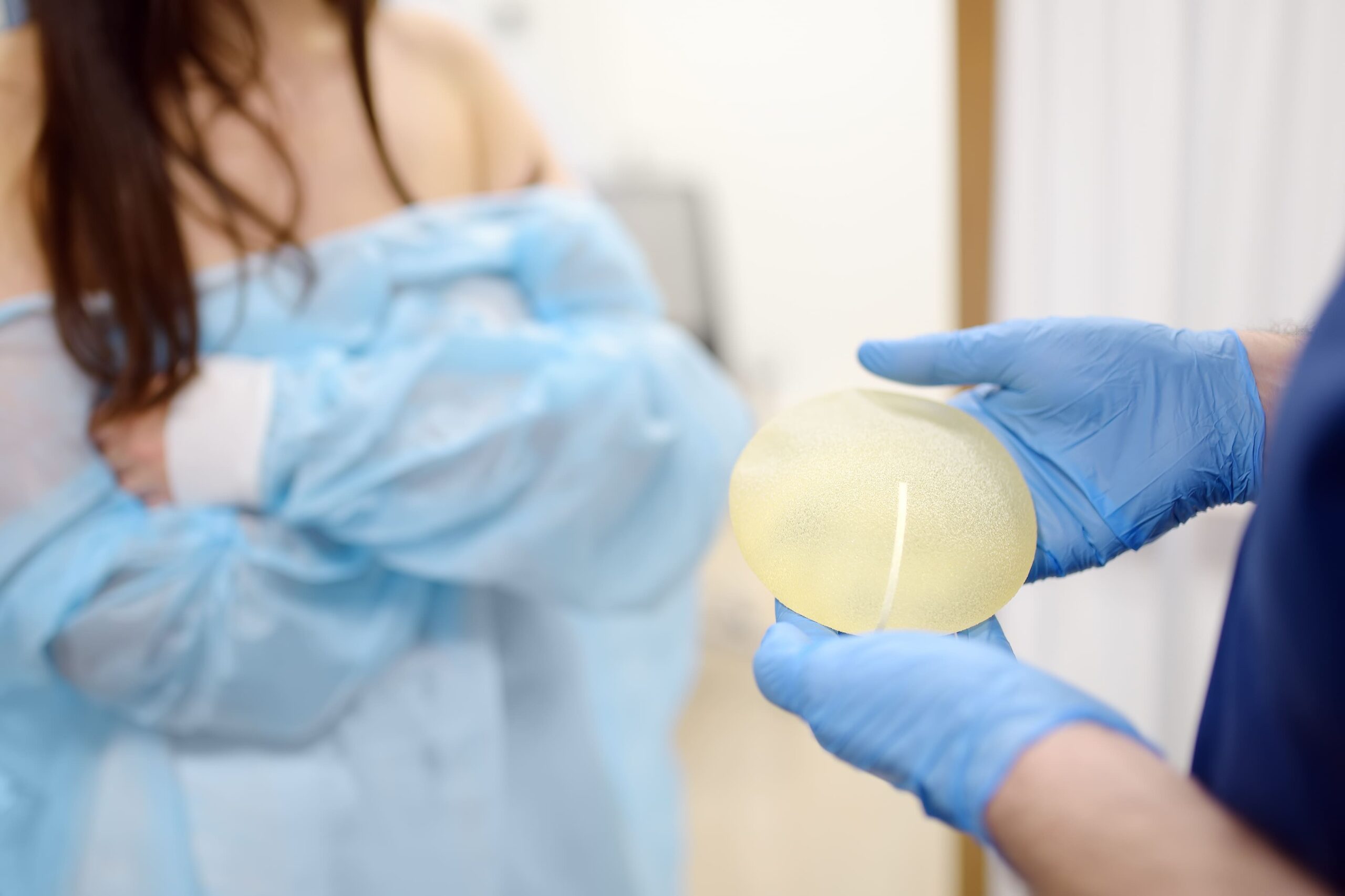
Breast augmentation, medically known as augmentation mammoplasty, is a surgical procedure that increases breast size and enhances breast shape by placing implants beneath the breast tissue or the chest muscles. The procedure involves creating a carefully planned incision, forming a pocket for the implant, and positioning it to achieve results that complement body proportions.
Contemporary breast augmentation techniques offer various approaches to meet individual goals, whether to restore volume lost after pregnancy or weight loss, improve breast symmetry, or enhance natural breast size. The procedure may take one to two hours and is performed under general anaesthesia in an accredited surgical facility.
When performed in Bali, breast augmentation follows internationally recognised surgical protocols. Plastic surgeons in Bali’s established medical facilities use proven techniques and approved implants. Individual results and timelines may vary. This treatment is administered as part of a comprehensive plan supervised by a healthcare professional.
Who is a Suitable Candidate?
Ideal Candidates
- Women aged 18 or older for saline implants, 22 or older for silicone implants
- Physically healthy individuals with no significant medical conditions affecting healing
- Non-smokers or those willing to quit smoking before and after surgery
- Individuals with fully developed breasts seeking size or shape enhancement
- Those with realistic expectations about surgical outcomes
- Patients who have completed childbearing and breastfeeding (though not mandatory)
- Women with adequate time for travel and recovery when considering surgery abroad
- Individuals with asymmetrical breasts seeking improved balance
- Those experiencing volume loss after pregnancy, breastfeeding, or weight loss
Contraindications
- Active infection or untreated breast disease
- Pregnancy or current breastfeeding
- Unrealistic expectations about results
- Severe medical conditions affecting wound healing
- Blood clotting disorders or use of blood-thinning medications
- Previous radiation therapy to the breast area
- Inability to commit to proper post-operative care and follow-up
A thorough consultation with a plastic surgeon is essential to determine your candidacy for breast augmentation. When considering surgery in Bali, factor in your ability to travel comfortably and arrange appropriate follow-up care both locally and upon returning home.
Treatment Techniques & Approaches
Implant Types
Silicone Gel Implants
Silicone implants contain cohesive silicone gel. These implants come pre-filled and require a slightly longer incision for placement. The cohesive gel maintains its shape even if the implant shell ruptures.
Saline Implants
Saline implants consist of a silicone shell filled with sterile salt water after placement, allowing for smaller incisions and minor volume adjustments during surgery. Saline implants may feel slightly firmer than silicone implants and provide immediate detection of a rupture.
Surgical Incision Options
Inframammary Incision
The inframammary approach involves an incision in the breast fold, providing direct access for implant placement. This technique can be used for all implant types and sizes.
Periareolar Incision
This technique creates an incision along the lower edge of the areola, where the darker skin meets the breast skin. The resulting scar may blend with the natural colour transition.
Transaxillary Incision
The transaxillary approach places the incision in the armpit, leaving no scar on the breast itself. Surgeons often use endoscopic assistance during this technique to aid implant positioning.
Implant Placement
Submuscular Placement
Positioning the implant, wholly or partially, beneath the pectoralis major muscle provides additional soft-tissue coverage, which may yield more natural-looking results, particularly in women with minimal breast tissue.
Subglandular Placement
Placing the implant above the muscle but beneath the breast gland may involve easier recovery with less discomfort. This position may suit women with adequate natural breast tissue coverage.
Individual results and surgical outcomes may vary based on anatomy and other factors.
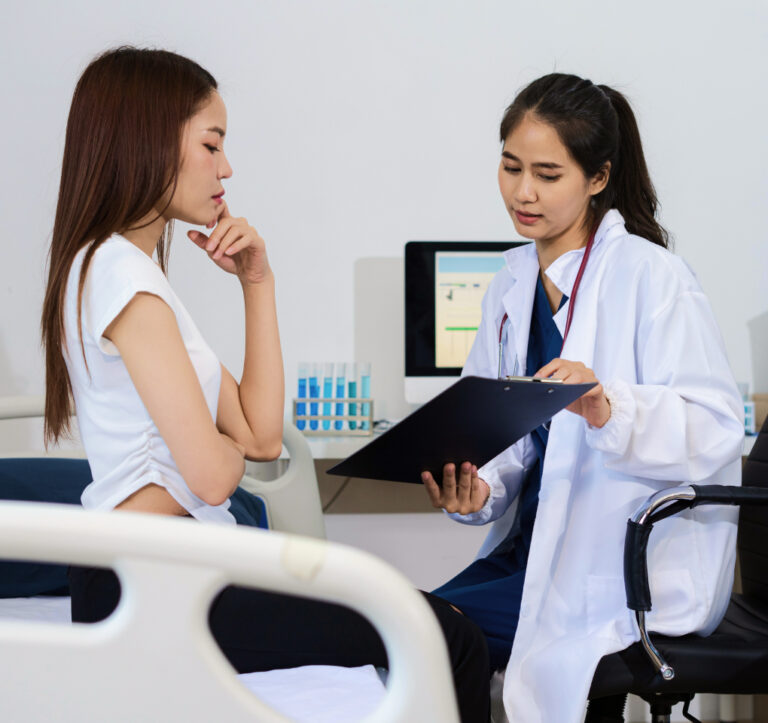
Considering which technique might suit your anatomy?
Consult with a qualified plastic surgeon to discuss your options and create a personalised surgical plan.
Considering which technique might suit your anatomy?
Consult with a qualified plastic surgeon to discuss your options and create a personalised surgical plan.
The Treatment Process
Pre-Treatment Preparation
Before breast augmentation surgery, comprehensive preparation aims to support optimal surgical conditions. Your surgeon may require recent blood tests, including complete blood count and coagulation studies. Some facilities may request a mammogram or breast ultrasound for baseline documentation. You may need to stop certain medications, particularly aspirin and anti-inflammatory drugs, at least two weeks before surgery.
Travel arrangements require careful planning when having surgery abroad. Consider booking accommodation near your surgical facility for 7-10 days after surgery before flying home. Arrange for a companion to assist during the initial recovery period. Pack loose, comfortable clothing that opens in front, as raising your arms may be restricted initially.
During the Procedure
On surgery day, you’ll arrive at the facility for preparations and marking. The anaesthesiologist typically administers general anaesthesia before the surgeon begins. The surgical team creates the planned incision and develops the implant pocket, either above or below the muscle.
After placing temporary sizers to assess volume and symmetry, the surgeon positions the permanent implants. The technique aims to achieve proper implant orientation. The incisions are closed in layers with dissolvable sutures, and surgical tape or skin adhesive is used to seal the surface. Drain tubes may be placed to help prevent fluid accumulation, though some surgeons use techniques that may eliminate this need.
Immediate Post-Treatment
Following surgery, you’ll recover in a monitored setting as anaesthesia wears off. The medical team observes your vital signs and manages any discomfort with prescribed medications. Patients may experience tightness and pressure. You’ll wear a surgical bra or compression garment to support the breasts and help minimise swelling.
Before discharge, typically within a few hours for day surgery or the next morning for overnight stays, nurses provide care instructions. They’ll demonstrate how to care for your incisions and recognise signs requiring medical attention. Your surgeon may schedule a follow-up appointment within 24-48 hours to assess initial healing.
Recovery & Aftercare
First 24-48 Hours
The initial recovery period requires rest and gentle movement. Keep your arms below shoulder level and avoid lifting anything heavier than a mobile phone. Sleep on your back with your upper body elevated to reduce swelling. Take prescribed pain medication as directed and use cold compresses around (not directly on) the breast area.
Monitor for excessive bleeding, severe pain, or signs of infection such as fever or unusual discharge. Light walking helps prevent blood clots, but avoid strenuous activity. Your companion should assist with daily tasks, as reaching and stretching remain restricted.
First Week
During the first week, gradually increase light activities whilst maintaining movement restrictions. Continue wearing your surgical bra continuously except when showering (once permitted). Patients may shower after 48 hours, gently patting incisions dry afterwards. Swelling and bruising typically reach their peak before gradually improving.
Attend your scheduled follow-up appointments for wound checks and, if applicable, possible drain removal. Patients may feel well enough for gentle activities, though complete arm movements remain restricted. If planning to fly home during this period, obtain medical clearance and consider compression stockings for the flight.
Long-term Recovery
Weeks 2-4 see progressive improvement in comfort and mobility. Patients may resume light exercise, such as walking, though upper-body workouts should wait until weeks 6-8. Swelling continues decreasing, though final results aren’t visible for several months as implants “settle” into position.
Regular scar massage beginning around week 3 helps optimise healing. Continue wearing a supportive sports bra during exercise for the first three months. Schedule follow-up appointments at 6 weeks, 3 months, and 1 year, coordinating with local plastic surgeons if you’ve returned home from Bali.
Planning breast augmentation requires careful consideration of recovery logistics.
Schedule a consultation to discuss your timeline and post-operative care plan.
Benefits of Breast Augmentation with Implants
Breast augmentation can offer aesthetic and functional outcomes for suitable candidates. The procedure may help address volume changes from pregnancy, breastfeeding, or weight loss, aiming to restore breast contour.
Implants can help improve breast symmetry when natural differences exist between breasts. The variety of implant sizes and profiles allows customisation to achieve results that may complement your body frame. Modern surgical techniques and implant technology aim to provide natural-looking results.
The option of having surgery in Bali combines medical care with a recovery environment. Cost considerations may make Bali an option, with procedures that aim to maintain quality standards.
Clothing may fit differently when breast size aligns with your body proportions and personal preferences. Some women find that their wardrobe options expand following augmentation.
Note: The extent and durability of improvement vary by anatomy, tissue quality, and healing response over time.
Risks & Potential Complications
Common Side Effects
Temporary side effects may occur in patients but resolve with proper care. Swelling and bruising may occur and gradually improve over time. Altered nipple sensation—either increased sensitivity or numbness may affect patients initially but can return to normal over time.
Tightness and discomfort during the initial period may result from tissue stretching and muscle adjustment if implants are placed under the muscle. Temporary asymmetry during healing may resolve as swelling decreases. Some patients may experience temporary implant malposition upon waking that can be corrected with movement.
Potential Complications
Potential complications require awareness. Capsular contracture, where scar tissue tightens around the implant, may require revision surgery. Implant rupture or leakage may occur, necessitating replacement. Infection risk exists with any surgery, but proper sterile technique and antibiotics aim to minimise the occurrence.
Implant malposition or rotation may occur if post-operative instructions aren’t followed carefully. Other potential complications include haematoma (blood collection) or seroma (fluid collection) that may require drainage. When considering surgery abroad, patients should consider how complications requiring prompt attention would be managed after returning home.
Choosing a plastic surgeon and an accredited facility may help reduce the risk of complications. Following all pre- and post-operative instructions carefully can support healing.
Cost Considerations
Breast augmentation costs in Bali may differ from those in Australia, the UK, or the United States. The total price includes the surgeon’s fee, facility costs, anaesthesia, implants, and post-operative garments. When calculating overall expenses, factor in flights, accommodation, companion travel costs, and potential follow-up care at home.
Quality should not be compromised for cost considerations. Verify your surgeon’s credentials, the facility’s accreditation, and the authenticity of the implants. Some clinics offer packages including accommodation and transfers, though evaluate what’s included carefully. Consider potential costs for revision surgery or for managing complications, which may need to be performed in your home country.
Travel insurance for medical procedures requires special consideration, as standard policies often exclude elective procedures. Some specialised medical tourism insurance options may cover complications, but review terms carefully. Budget for extended stays if complications delay your return travel, and possible additional medical consultations upon returning home.
Conclusion
Breast augmentation with implants in Bali offers an option to address aesthetic concerns while recovering in a tropical setting. Success requires careful planning, from selecting a qualified surgeon and accredited facility to arranging appropriate recovery support and follow-up care. Understanding the complete process, including potential challenges of having surgery abroad, helps in having a safe experience.
The combination of experienced surgeons, modern facilities, and competitive pricing makes Bali a destination for breast augmentation. However, thorough research and realistic expectations remain essential for any surgical procedure, particularly when travelling for medical care.
Our Doctors
World Class Plastic Surgeons is more than a clinic it is a destination for aesthetic excellence tailored to a select audience.We are an international reference in plastic surgery procedures, offering sophistication, discretion, and innovation. We serve clients who value luxury, safety, and outstanding results.


Considering Your Options?
If you're considering breast augmentation in Bali, consultation with a qualified plastic surgeon can help determine if this option aligns with your circumstances. Experienced surgeons provide comprehensive information about the procedure, recovery process, and logistics of medical tourism to support your decision-making.
Make An Enquiry
Got Questions? Please fill in the enquiry form below and we look forward to addressing your question.