
Arm Lift (Brachioplasty) in Bali
Medically reviewed by Dr Marco Aurélio Faria-Corrêa
Introduction
Excess skin and tissue in the upper arms can impact your confidence and clothing choices, particularly after substantial weight loss or due to natural ageing. An arm lift, medically known as brachioplasty, is a surgical procedure that reshapes and contours the upper arms by removing excess skin and fat. This procedure has become increasingly sought after by international patients seeking plastic surgery in Bali, where experienced surgeons combine technical expertise with comprehensive patient care. Understanding the procedure, recovery process, and what to expect during your surgical journey in Bali helps ensure you make an informed decision about this body contouring treatment.
What is Arm Lift (Brachioplasty)?
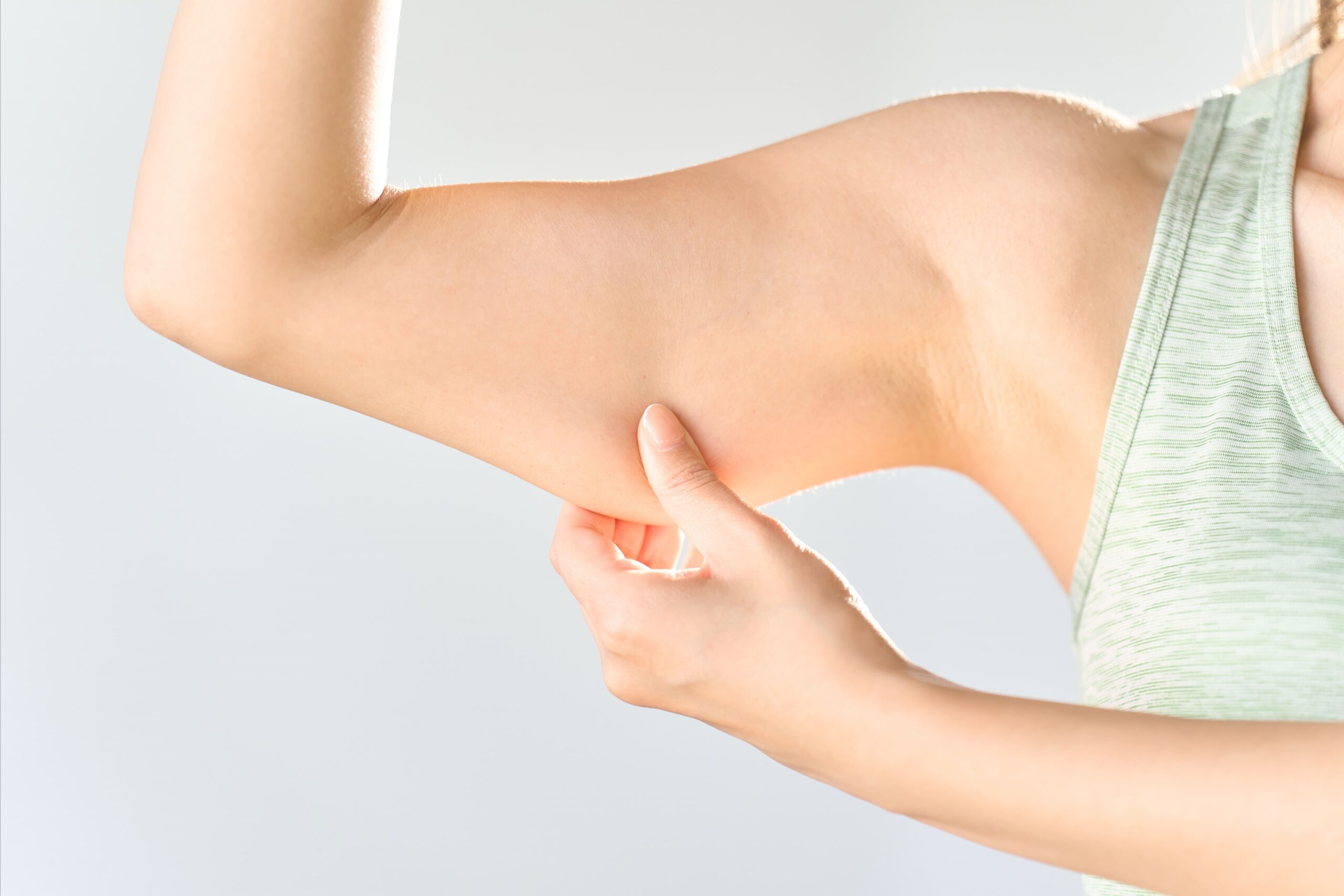
An arm lift, or brachioplasty, is a surgical procedure that removes excess skin and fat from the upper arms, creating a more toned, proportionate appearance. The surgery addresses the area between the armpit and elbow, where skin laxity often develops following significant weight loss or as part of the natural ageing process. During brachioplasty, plastic surgeons make strategic incisions to excise redundant tissue while tightening and reshaping the remaining skin.
The procedure targets specifically what many patients describe as “bat wings”—the loose, hanging skin that doesn’t respond to exercise or non-surgical treatments. While arm exercises can strengthen and tone the underlying muscles, they cannot eliminate excess skin or significantly reduce stubborn fat deposits. Brachioplasty surgically removes this tissue, resulting in arms with improved contour and definition. The procedure can be performed alone or combined with other body contouring surgeries, particularly for patients who have experienced massive weight loss. Modern surgical techniques focus on optimising results while minimising visible scarring by carefully placing incisions and employing meticulous surgical technique.
Who is a Suitable Candidate?
Suitable Candidates
- Adults with significant upper arm skin laxity that creates functional or aesthetic concerns
- Individuals who have achieved a stable weight for at least 6-12 months
- Patients who have lost substantial weight through bariatric surgery or lifestyle changes
- Those with good overall health and no medical conditions that impair healing
- Non-smokers or those willing to quit smoking several weeks before and after surgery
- Individuals with realistic expectations about surgical outcomes and scarring
- Patients who understand that brachioplasty addresses skin excess, not weight loss
- Those committed to maintaining results through healthy lifestyle choices
Contraindications
An arm lift may not be suitable for individuals with certain medical conditions or circumstances. Active infections, uncontrolled diabetes, or blood-clotting disorders can increase surgical risks and compromise healing. Patients with connective tissue disorders or those prone to keloid scarring require careful evaluation. Recent significant weight fluctuations or plans for future substantial weight loss should be stabilised before considering surgery. Certain medications, including blood thinners and some supplements, may need to be adjusted before the procedure.
A thorough consultation with an experienced plastic surgeon is essential to determine your suitability for brachioplasty. The surgeon will evaluate your medical history, examine the quality of your arm skin and tissue distribution, and discuss your aesthetic goals to develop an appropriate surgical plan.
Treatment Techniques & Approaches
Traditional Brachioplasty
Traditional brachioplasty involves an incision extending from the armpit to just above the elbow along the inner aspect of the upper arm. This approach provides access for removing substantial amounts of excess skin and fat. The surgeon carefully excises redundant tissue, tightens the remaining skin, and repositions it for contouring. This technique is suitable for patients with significant skin laxity along the entire upper arm.
Mini Brachioplasty
Mini brachioplasty, also called limited incision brachioplasty, utilises a smaller incision confined to the armpit area. This technique addresses mild to moderate skin laxity primarily in the upper third of the arm. The limited incision results in less visible scarring but provides less dramatic improvement compared to traditional brachioplasty. Patients with good skin elasticity and minimal excess tissue often achieve satisfactory results with this approach.
Extended Brachioplasty
Extended brachioplasty incorporates additional incisions that extend along the lateral chest wall. This comprehensive approach addresses excess tissue in both the arms and the adjacent lateral chest area. Patients who have experienced massive weight loss often require this technique to achieve harmonious body contouring. The extended incisions allow the removal of redundant tissue that extends beyond the arm into the lateral torso.
Technology & Equipment Used
Modern brachioplasty procedures utilise specialised surgical instruments designed for precise tissue removal and contouring. Electrocautery devices minimise bleeding while allowing accurate dissection. Some surgeons incorporate liposuction to refine contours and remove localised fat deposits. Contemporary suturing techniques, including deep tissue suspension sutures, help support the lifted tissues and optimise long-term results.

Wondering which brachioplasty technique is right for you?
Our Plastic Surgeons in Bali will evaluate your specific needs and recommend the most suitable approach.
The Treatment Process
Pre-Treatment Preparation
Before your brachioplasty in Bali, you’ll undergo a comprehensive pre-operative assessment, including blood tests, medical evaluation, and possibly a chest X-ray or ECG, depending on your age and health status. Stop smoking at least four weeks before surgery to optimise healing. Discontinue blood-thinning medications and certain supplements as directed by your surgeon. Arrange for someone to accompany you to Bali and assist during initial recovery. Prepare your accommodation with necessary supplies, including loose, front-opening clothing that doesn’t require lifting arms overhead. Complete any prescribed pre-operative skin preparation or prophylactic antibiotics.
During the Procedure
Brachioplasty typically requires 2-3 hours under general anaesthesia, though procedure duration varies based on the extent of correction needed. After anaesthesia administration, the surgeon marks the planned incisions and the excess tissue to be removed. The incisions are made according to the chosen technique, and excess skin and fat are carefully excised. The surgeon reshapes and tightens the remaining tissue, securing it with internal sutures for long-lasting support. Drains may be placed to prevent fluid accumulation. The incisions are closed in layers using absorbable sutures internally and fine sutures or skin adhesive externally. Compression garments or bandages are applied to support the newly contoured arms.
Immediate Post-Treatment
Following surgery, you’ll recover in a monitored setting until fully awake from anaesthesia. Pain management begins immediately with prescribed medications to ensure comfort. Your arms will be wrapped in compression dressings or garments to minimise swelling and support healing tissues. Drainage tubes, if placed, typically remain for 24-48 hours. Most patients can return to their accommodation the same day or after an overnight stay, depending on the extent of surgery. Initial arm movement will be limited, and you’ll receive specific instructions about positioning and gentle exercises to prevent stiffness.
Recovery & Aftercare
First 24-48 Hours
The initial recovery period requires rest with your arms elevated on pillows to reduce swelling. Pain and discomfort are managed with prescribed medications, though many patients report that the discomfort is less than anticipated. Avoid any strenuous arm movements or lifting. Keep dressings dry and intact as directed. Light finger and wrist exercises help maintain circulation. Monitor for any signs of complications such as excessive bleeding, severe pain, or circulation problems. Your surgical team in Bali will provide 24-hour support during this critical period.
First Week
During the first week, swelling and bruising peak around day 3-4 before gradually improving. Continue wearing compression garments as instructed to support healing and minimise swelling. Attend follow-up appointments for wound checks and possible drain removal. Gentle walking is encouraged to promote circulation, but avoid activities requiring arm elevation or strain. Showering is usually permitted after 48-72 hours, provided waterproof dressings are in place. Begin gentle range-of-motion exercises as directed to prevent stiffness. Most patients can perform light daily activities but should avoid driving or lifting anything heavier than a cup of coffee.
Long-term Recovery
Full recovery from brachioplasty typically takes 4-6 weeks, though individual healing varies. Return to work is possible after 1-2 weeks for desk jobs or 3-4 weeks for more physically demanding occupations. Compression garments are usually worn for 4-6 weeks to optimise results. Exercise restrictions gradually lift, with upper body workouts typically resumed after 6-8 weeks. Scars initially appear red and raised but fade significantly over 6-12 months. Sun protection of scars is essential for optimal healing. Final results become apparent after 3-6 months, as swelling resolves and tissues settle into their new positions.
Our Plastic Surgeons in Bali provide comprehensive post-procedure support to ensure optimal recovery.
Schedule your consultation to learn more about what to expect.
Benefits of Arm Lift (Brachioplasty)
Brachioplasty can provide both functional and aesthetic improvements, enhancing quality of life. The removal of excess skin can eliminate chafing and irritation that often occurs with arm movement. Patients may experience increased comfort during physical activities and exercise without the burden of excess tissue. Clothing may fit better, and many individuals feel confident wearing sleeveless garments.
The psychological benefits often prove equally valuable. Improved arm contour may enhance overall body proportions, particularly for those who have achieved significant weight loss. The procedure can help complete the body transformation journey, addressing an area that doesn’t respond to diet and exercise alone. Many patients experience renewed confidence in social and intimate situations. The results of brachioplasty may be long-lasting when combined with stable weight maintenance and healthy lifestyle choices. While natural ageing continues, the improvement achieved through surgery may remain apparent for many years.
Risks & Potential Complications
Common Side Effects
Temporary side effects are expected parts of the healing process that resolve with time. Swelling and bruising occur in all patients, typically peaking within the first week before gradually subsiding over several weeks. Mild to moderate discomfort is managed with prescribed pain medications. Temporary numbness or altered sensation along the incisions and upper arms usually improves over several months. Arm stiffness or tightness is common initially but improves with gentle exercises and time. Visible scarring is permanent but fades considerably over 12-18 months with proper care.
Rare Complications
While uncommon with experienced surgeons, potential complications require awareness. Infection risk is minimised through sterile technique and prophylactic antibiotics, but may need treatment if it occurs. Bleeding or haematoma formation occasionally necessitates drainage. Poor wound healing or wound separation may occur, particularly in smokers or diabetic patients. Asymmetry between arms, while usually minor, might require revision surgery. Seroma (fluid collection) may develop after drain removal and require aspiration. Deep vein thrombosis, though rare, can be prevented with early mobilisation and the use of compression devices.
Choosing an experienced plastic surgeon and following all pre- and post-operative instructions significantly reduces the risk of complications. Bali’s established medical tourism infrastructure ensures prompt attention to any concerns during recovery.
Cost Considerations
The cost of brachioplasty in Bali varies based on several factors, including the surgical technique required, the extent of tissue removal, the surgeon’s expertise, and facility standards. Extended brachioplasty procedures, which require more extensive incisions and operative time, typically cost more than mini brachioplasty. Combined procedures, such as brachioplasty with liposuction or other body contouring surgeries, affect overall pricing.
The total investment typically includes surgeon’s fees, anaesthesia costs, operating room charges, post-operative garments, medications, and follow-up care. Many Bali clinics offer comprehensive packages for international patients that may include accommodation, transfers, and dedicated patient coordination services. While cost savings compared to many Western countries make Bali attractive for medical tourism, prioritising surgeon qualifications and facility accreditation ensures safe, quality outcomes. A detailed consultation provides personalised pricing based on your specific surgical requirements and treatment plan.
Conclusion
Arm lift surgery in Bali offers a practical approach for individuals seeking to address excess upper-arm skin and achieve improved body contours. The combination of experienced plastic surgeons, modern medical facilities, and comprehensive patient care makes Bali an attractive destination for this procedure. With proper planning, realistic expectations, and commitment to post-operative care, brachioplasty may provide long-lasting improvements in both arm appearance and quality of life. The key to successful outcomes lies in choosing qualified surgeons and following their guidance throughout your surgical journey.
Our Doctors
World Class Plastic Surgeons is more than a clinic it is a destination for aesthetic excellence tailored to a select audience.We are an international reference in plastic surgery procedures, offering sophistication, discretion, and innovation. We serve clients who value luxury, safety, and outstanding results.

Ready to Take the Next Step?
If you're considering arm lift surgery in Bali, our experienced Plastic Surgeons can help you understand if brachioplasty is the right choice for your needs. With extensive experience in body contouring procedures, we provide personalised care throughout your surgical journey.
Make An Enquiry
Got Questions? Please fill in the enquiry form below and we look forward to addressing your question.