
Vaginal Rejuvenation in Bali

Medically reviewed by Dr Marco Aurélio Faria-Corrêa
Many women experience changes in vaginal health and comfort due to childbirth, ageing, or hormonal shifts. These changes can affect daily comfort, intimate wellness, and overall quality of life. Vaginal rejuvenation encompasses various treatments designed to restore vaginal tissue tone, improve comfort, and address functional concerns. In medical facilities, these treatments combine clinical expertise with a supportive, discreet environment. Qualified plastic surgeons provide personalised care using contemporary techniques that may help women address comfort concerns. Individual results and treatment outcomes may vary.
What is Vaginal Rejuvenation?
Vaginal rejuvenation refers to a range of procedures that may help restore or improve vaginal tissue structure and function. These treatments can address concerns such as vaginal laxity, dryness, urinary stress incontinence, and decreased sensation. The procedures aim to stimulate collagen production, tighten vaginal tissues, or surgically restructure the vaginal canal and surrounding areas.
Contemporary vaginal rejuvenation includes both non-surgical treatments using energy-based devices and surgical procedures that physically tighten and reshape tissues. Non-surgical options typically use radiofrequency or laser energy to heat vaginal tissues, promoting collagen remodelling and tissue tightening. Surgical approaches involve removing excess tissue and tightening the vaginal muscles and surrounding structures.
These treatments aim to address medical concerns like mild urinary incontinence and vaginal atrophy, as well as aesthetic preferences. The choice between surgical and non-surgical approaches depends on individual anatomy, specific concerns, and desired outcomes. A thorough consultation with a qualified plastic surgeon determines the most suitable treatment approach. Individual results and timelines may vary. This treatment is administered as part of a comprehensive plan supervised by a healthcare professional.
Who is a Suitable Candidate?
Potential Candidates
- Women experiencing vaginal laxity after childbirth affecting comfort or function
- Those with mild stress urinary incontinence (urine leakage when coughing or sneezing)
- Women experiencing vaginal dryness or atrophy, particularly post-menopause
- Individuals seeking vaginal tissue tone and elasticity improvement
- Women who have completed their families and aren’t planning future pregnancies
- Those in good general health without active infections or medical conditions
- Individuals with realistic expectations about treatment outcomes
- Women experiencing decreased sensation during intimacy
- Those seeking to address labial asymmetry or excess tissue
Contraindications
- Active vaginal or urinary tract infections require treatment first
- Pregnancy or plans for pregnancy within the next year
- Uncontrolled diabetes or bleeding disorders
- Active cancer treatment or history of pelvic radiation
- Severe pelvic organ prolapse requiring surgical repair
- Unrealistic expectations about treatment results
- Recent pelvic surgery (typically within 6 months)
- Certain autoimmune conditions affect healing
A comprehensive evaluation by a plastic surgeon specialising in vaginal rejuvenation is essential to determine candidacy. This assessment includes medical history review, physical examination, and discussion of individual goals to ensure the selected treatment approach aligns with your specific needs and health status. Individual results and treatment suitability may vary.
Treatment Techniques & Approaches
Non-Surgical Laser Treatment
Laser vaginal rejuvenation uses controlled laser energy to heat vaginal tissues, potentially stimulating collagen production and tissue remodelling. The CO2 fractional laser or erbium laser creates micro-injuries in the vaginal wall, which can trigger the body’s natural healing response. This process may lead to increased collagen formation and potential changes in tissue thickness and elasticity. The treatment typically takes 15-30 minutes and may require topical numbing cream
Radiofrequency Treatment
Radiofrequency (RF) vaginal rejuvenation delivers controlled thermal energy to vaginal tissues using specialised probes. The RF energy heats deeper tissue layers whilst protecting the surface, which may promote collagen contraction and new collagen synthesis. This approach aims to help address mild laxity and may improve urinary stress incontinence symptoms in some patients. Sessions last approximately 30-45 minutes.
Surgical Vaginoplasty
Vaginoplasty surgically tightens the vaginal canal by removing excess vaginal lining and tightening the surrounding muscles and soft tissues. This procedure is designed to address significant vaginal laxity that may not respond to non-surgical treatments. The surgery can be combined with perineoplasty to repair and strengthen the perineum. Performed under general or regional anaesthesia, the procedure typically takes 1-2 hours. This treatment is administered as part of a comprehensive plan supervised by a healthcare professional.
Technology & Equipment Used
Modern vaginal rejuvenation utilises devices designed for intimate tissue treatment. These include fractional CO2 lasers with specialised vaginal probes, monopolar and bipolar radiofrequency systems, and temperature-controlled delivery systems. Each technology offers different tissue interaction patterns, allowing treatment to be tailored based on individual anatomy and concerns.
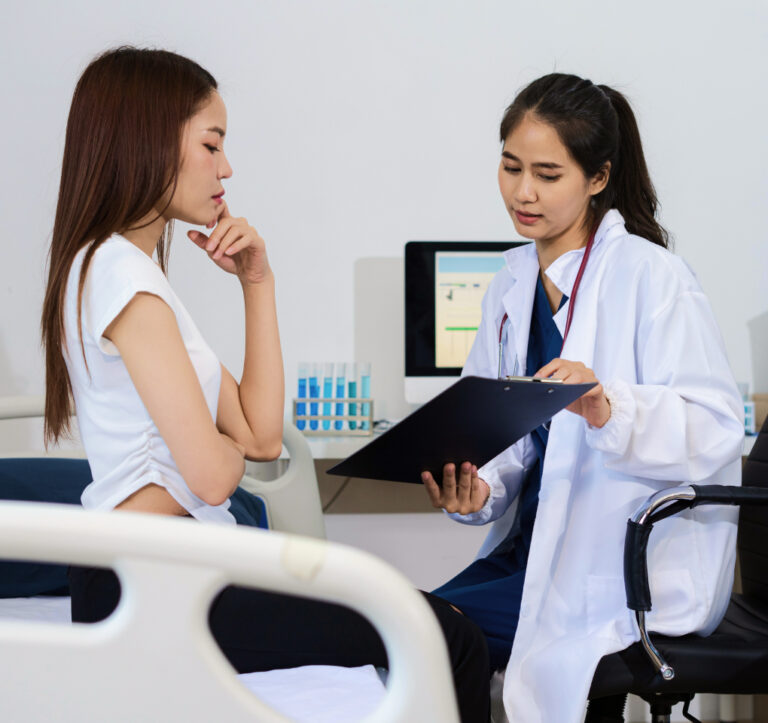
Wondering which approach might be suitable for you?
Our qualified Plastic Surgeons can evaluate your specific needs and discuss available treatment options.
The Treatment Process
Pre-Treatment Preparation
Before your vaginal rejuvenation procedure, you’ll undergo a comprehensive examination to assess tissue health and identify specific concerns. For non-surgical treatments, preparation includes treating any active infections and avoiding intimate activity before treatment. Surgical procedures may require additional preparation, including blood tests, discontinuing certain medications, and arranging post-procedure transport and care assistance. When underlying medical conditions are present, your plastic surgeon may coordinate care with gynaecological specialists.
On the treatment day, arrive with comfortable, loose-fitting clothing. For non-surgical procedures, you’ll be positioned comfortably with privacy draping. Surgical patients will meet with the anaesthetist to review anaesthesia plans and confirm procedural details.
During the Procedure
Non-surgical treatments begin with the gentle cleansing of the treatment area. For laser or RF treatments, a specialised probe is carefully inserted into the vaginal canal. The device delivers controlled energy in a systematic pattern, treating the entire vaginal wall. Patients may feel mild warmth or slight pressure but minimal discomfort. The practitioner monitors tissue response throughout to ensure appropriate energy delivery.
Surgical vaginoplasty involves making incisions to access vaginal tissues. Excess vaginal lining may be removed, and the underlying muscles are brought together with dissolvable sutures. The vaginal wall is then carefully reconstructed whilst maintaining proper function. The surgeon aims to achieve symmetry and appropriate tissue tension throughout the procedure.
Immediate Post-Treatment
Following non-surgical treatment, you can resume normal daily activities. Mild spotting or discharge may occur. You’ll receive specific aftercare instructions, including temporary restrictions on tampon use, intimate activity, and strenuous exercise.
Surgical patients recover in a monitored setting until anaesthesia effects subside. Pain management begins immediately, with medications adjusted for comfort. Ice packs may help minimise swelling. Patients can typically go home the same day with detailed wound care instructions and prescribed medications. A follow-up appointment is scheduled.
Recovery & Aftercare
First 24-48 Hours
After non-surgical treatment, maintain good hygiene with gentle cleansing. Avoid hot baths, swimming pools, and saunas. Mild cramping or spotting may occur, but can resolve. Stay hydrated and avoid strenuous activities.
Surgical patients should rest with legs elevated when possible. Use prescribed pain medications as directed and apply ice packs for 20-minute intervals. Moderate swelling and bruising may occur. Avoid sitting directly on the surgical site; use a donut cushion if needed. Keep the area clean and dry, following specific wound care instructions.
First Week
Non-surgical treatment patients may resume exercise after several days and intimate activity after one week, as advised by their healthcare professional. Continue avoiding hot tubs and swimming. Any discharge should be monitored. Attend your follow-up appointment to assess healing progress.
Surgical recovery requires continued rest with gradual increases in activity. Shower gently, patting the area dry afterwards. Swelling may peak around day 3-4, then gradually decrease. Continue prescribed medications, including antibiotics if prescribed. Avoid lifting anything heavier than 5kg. Walking short distances may promote circulation and healing.
Long-term Recovery
Non-surgical treatments may show gradual improvement over several months as collagen remodelling continues. Multiple sessions spaced several weeks apart may be recommended. Maintenance treatments may help sustain improvements.
Surgical recovery may extend several weeks for complete healing. Resume exercise gradually after 4 weeks with surgeon approval. Intimate activity can be resumed as advised by your healthcare professional. Results may become apparent after several months when swelling resolves. Scar tissue softens and matures over time.
Our Specialist Plastic Surgeon provides comprehensive post-procedure support to help with recovery.
Schedule your consultation to learn more about what to expect.
Benefits of Vaginal Rejuvenation
Vaginal rejuvenation may offer both functional and quality-of-life improvements. Physically, these treatments may help reduce mild stress urinary incontinence, potentially allowing women to exercise and move with greater comfort. The procedures aim to improve vaginal tissue tone and elasticity, which may enhance comfort during daily activities and intimate moments.
The treatments may help address vaginal dryness and irritation, which can be particularly relevant for post-menopausal women or those experiencing hormonal changes. Some women may experience improved natural lubrication and reduced discomfort during intercourse. The tissue revitalisation from these procedures may also help reduce recurrent urinary tract infections in some cases.
Beyond physical outcomes, vaginal rejuvenation may provide psychological and emotional benefits. Some women may experience increased confidence in intimate relationships and greater overall comfort with their bodies. The ability to wear fitted clothing comfortably and participate fully in physical activities may contribute to enhanced quality of life. These treatments may help women feel more comfortable with their bodies after the physical changes of childbirth or ageing.
Risks & Potential Complications
Common Side Effects
Non-surgical treatments may cause minimal side effects. Mild spotting or light discharge may occur. Some women may experience temporary mild swelling or sensitivity in the treated area. These effects may resolve without intervention. Temporary changes in urination patterns may occur.
Surgical procedures may involve side effects. Swelling and bruising around the treatment area may occur. Moderate discomfort may be experienced. Temporary numbness or altered sensation may occur as part of the healing process.
Potential Complications
Potential complications from non-surgical treatments may include burns from energy settings, infection if post-treatment care isn’t followed, or results that may require additional sessions. Vaginal scarring or persistent pain may occur in some cases.
Surgical complications may include infection, delayed wound healing, asymmetry, or over-tightening. Other potential risks include bleeding, anaesthesia reactions, or development of fistulas. These risks may be managed through careful patient selection, proper technique, and adherence to post-treatment instructions. Consultation with a qualified healthcare professional is essential to understand the specific risks and benefits for your individual situation.
Cost Considerations
The cost of vaginal rejuvenation varies based on the chosen treatment type, number of sessions required, and individual treatment goals. Non-surgical treatments typically require multiple sessions, while surgical procedures involve operating room fees, anaesthesia costs, and post-operative care.
Factors affecting treatment cost include the complexity of your specific concerns, combination treatments if addressing multiple issues, and the technology or techniques selected. The practitioner’s qualifications and the facility’s standards also influence pricing.
Your consultation includes a detailed cost breakdown covering all aspects of treatment. This transparency helps you understand the full investment required. When considering treatment options, it is important to prioritise your practitioner’s qualifications and the quality of care provided to ensure safe, effective treatment.
Conclusion
Vaginal rejuvenation procedures may offer options for women experiencing changes in vaginal health and comfort. Whether addressing functional concerns such as mild incontinence or restoring tissue tone after childbirth, these treatments aim to provide tailored approaches to individual needs. Both non-surgical and surgical options are available for consideration. With proper evaluation and selection of therapy, vaginal rejuvenation procedures may help enhance quality of life. The key is choosing an experienced specialist plastic surgeon who understands your concerns and goals.
Our Doctors
World Class Plastic Surgeons is more than a clinic it is a destination for aesthetic excellence tailored to a select audience.We are an international reference in plastic surgery procedures, offering sophistication, discretion, and innovation. We serve clients who value luxury, safety, and outstanding results.


Ready to Take the Next Step?
If you're considering vaginal rejuvenation, our Plastic Surgeon can help you understand if it may be suitable for your needs. With experience in vaginal rejuvenation procedures, we provide personalised care throughout your journey.
Make An Enquiry
Got Questions? Please fill in the enquiry form below and we look forward to addressing your question.