
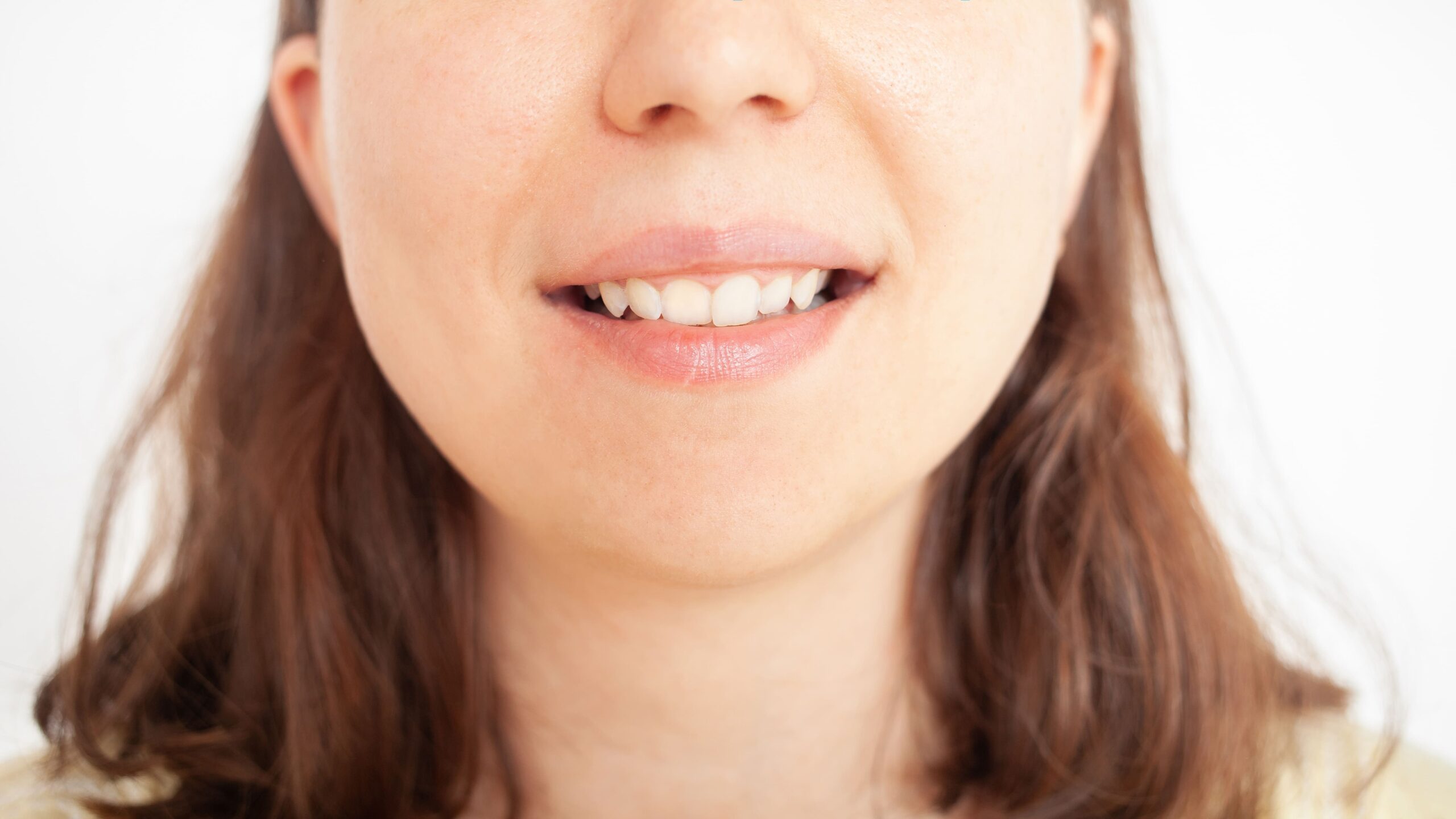
Buccal Fat Removal in Bali

Medically reviewed by Dr Marco Aurélio Faria-Corrêa
Introduction
If you’re considering buccal fat removal, you may be exploring options for facial contouring. This surgical procedure involves removing buccal fat pads from the cheeks to enhance facial definition. Buccal fat removal, also known as cheek reduction surgery, is performed to reduce facial fullness in the cheek area. Understanding the procedure, recovery process, and important considerations can help you make an informed decision about whether this treatment option may be suitable for your individual circumstances.
What is Buccal Fat Removal?
Buccal fat removal is a surgical procedure that removes the buccal fat pads – fat deposits in the lower cheeks. These fat pads sit between facial muscles, specifically between the buccinator muscle and deeper facial structures. The procedure aims to reduce cheek fullness and may help create a more contoured appearance.
The buccal fat pads are distinct from subcutaneous fat and don’t respond to diet or exercise. Some people naturally have larger buccal fat pads, contributing to a rounder facial appearance even at a healthy body weight. Removing these fat pads may help create more prominent cheekbones, a more defined jawline, and a slimmer facial profile.
The procedure addresses facial fullness, “chubby cheeks,” or lack of facial definition. The results are permanent, as the removed fat cells don’t regenerate. This treatment is administered as part of a comprehensive plan supervised by a healthcare professional.
Who is a Suitable Candidate?
Ideal Candidates
- Adults with fully developed facial structures
- Individuals with naturally round or full cheeks despite being at a healthy weight
- People with good skin elasticity to adapt to volume changes
- Non-smokers or those willing to quit before and after surgery
- Patients with realistic expectations about surgical outcomes
- Those in good overall health without conditions that impair healing
- Individuals seeking permanent facial contouring results
- People who have maintained a stable weight for at least six months
Contraindications
- Individuals with naturally thin or gaunt faces
- Patients with developing facial structures
- People with significant weight fluctuations
- Those with active infections or inflammatory conditions in the facial area
- Individuals with bleeding disorders or taking blood-thinning medications
- Patients with unrealistic expectations about results
- People with certain autoimmune conditions affecting healing
- Those unable to follow post-operative care instructions
A thorough consultation with an experienced plastic surgeon is essential to determine your suitability for buccal fat removal. The surgeon will assess your facial anatomy, skin quality, and overall health to help determine if the procedure may be appropriate for your individual circumstances.
Treatment Techniques & Approaches
Traditional Buccal Fat Removal Technique
The traditional approach involves creating small incisions inside the mouth, typically opposite the upper molars. Through these incisions, the surgeon carefully accesses the buccal fat pad through the buccinator muscle. The fat pad is then removed either partially or completely, depending on the individual anatomy and treatment plan. This technique provides direct visualisation and control over the procedure.
Conservative Fat Reduction Approach
Some surgeons prefer a conservative approach, removing only part of the buccal fat pad rather than the entire structure. This may help prevent an overly hollow appearance that might develop with ageing. The surgeon evaluates the fat pad’s size and removes an appropriate amount, leaving some fat to maintain natural facial fullness whilst aiming to achieve facial contouring.
Technology & Equipment Used
Modern buccal fat removal procedures use specialised surgical instruments including fine retractors, delicate forceps, and precise scissors designed for intraoral surgery. Some surgeons use endoscopic assistance for better visualisation of the surgical field. Contemporary lighting systems and magnification tools help support accurate fat pad identification and removal. Electrocautery devices may be used for haemostasis, aiming to minimise bleeding and reduce post-operative swelling.

Considering which approach might be suitable for you?
Consult with a qualified plastic surgeon to evaluate your facial structure and discuss available treatment options.
The Treatment Process
Pre-Treatment Preparation
Before your buccal fat removal procedure, you’ll undergo comprehensive pre-operative assessment including blood tests and medical history review. You’ll need to avoid aspirin, anti-inflammatory medications, and certain supplements for two weeks before surgery to minimise bleeding risks. Smoking cessation is required at least four weeks before the procedure. Arrange for someone to drive you home after surgery and assist you during the first 24 hours. You’ll receive antibacterial mouthwash to use the night before and morning of surgery. Fasting instructions typically require no food or drink after midnight before your procedure.
During the Procedure
The procedure begins with administration of anaesthesia – either local anaesthesia with sedation or general anaesthesia, depending on your surgeon’s recommendation and personal preference. Once you’re comfortable, the surgeon creates small incisions inside your mouth, eliminating visible scarring. The buccal fat pad is carefully located and gently extracted through the incision. The surgeon removes the predetermined amount of fat from each side, aiming for symmetry. The procedure typically takes 30-60 minutes to complete, depending on individual anatomy and whether both sides are being addressed.
Immediate Post-Treatment
Following the procedure, you’ll spend time in the recovery area where medical staff monitor your vital signs and comfort level. Ice packs are applied to your cheeks to help minimise swelling and discomfort. You’ll receive instructions for oral rinses to keep the surgical sites clean. Pain medication and antibiotics may be prescribed to manage discomfort and help prevent infection. Patients can typically return home the same day once fully alert and stable. You’ll be provided with detailed aftercare instructions and emergency contact information before discharge. Individual results and timelines may vary.
Recovery & Aftercare
First 24-48 Hours
During the initial recovery period, patients may experience moderate facial swelling and mild discomfort that can be managed with prescribed pain medication. Ice packs may be applied for 20 minutes at a time to help reduce swelling. A liquid diet is recommended, avoiding hot beverages and straws which could disturb the surgical sites. Gentle mouth rinsing with prescribed antiseptic solution after each meal may be advised. Sleeping with the head elevated on multiple pillows may help minimise swelling. Patients should avoid strenuous activities, bending over, or lifting heavy objects. It is important to watch for signs of infection such as fever, excessive pain, or unusual discharge.
First Week
Swelling typically peaks around day 2-3 before gradually subsiding over the following weeks. Patients can transition to soft foods like yogurt, smoothies, and mashed vegetables after 2-3 days. Oral rinses after meals should be continued to maintain surgical site hygiene.
Many patients can return to work or light activities after 5-7 days, though visible swelling may persist for 2-3 weeks. Vigorous mouth movements, excessive talking, or wide yawning should be avoided during the first week. A follow-up appointment for suture check and healing assessment is typically scheduled within 7-10 days. Continued elevated sleeping and avoidance of strenuous exercise is recommended for 2-3 weeks.
Long-term Recovery
Complete recovery typically occurs over 4-6 weeks, with results becoming more apparent as swelling resolves over 3-6 months. Patients can gradually return to a normal diet within 2-3 weeks as comfort allows. Regular exercise may be resumed after 3-4 weeks with surgeon approval. Good oral hygiene should be maintained to help prevent infection during the healing period.
Facial massage may be recommended after 4-6 weeks to assist with contouring. Regular follow-up appointments at 1 week, 1 month, and 3-6 months help monitor healing progress. Patients typically see continued improvement in facial definition over 3-6 months as tissues settle and final contours emerge, though individual timelines vary.
Our experienced plastic surgeons provide comprehensive post-procedure support throughout your recovery.
Schedule your consultation to learn more about what to expect.
Benefits of Buccal Fat Removal
Buccal fat removal may offer aesthetic outcomes for suitable candidates seeking enhanced facial definition. The procedure aims to create more sculpted facial contours with defined cheekbones and a refined jawline, which can contribute to a more mature and angular facial appearance. The surgery may help improve facial symmetry and balance between features, particularly for those with naturally fuller cheeks.
The results are typically permanent since removed fat cells don’t regenerate, potentially providing long-lasting facial changes without the need for repeated treatments. The procedure may enhance facial appearance in photographs by creating more dimensional shadows and highlights. The intraoral incision placement means no visible scarring on the facial surface, allowing discreet enhancement.
This procedure may be suitable for candidates who wish to address fuller cheek areas that don’t respond to diet or exercise, helping them achieve facial contours that better align with their aesthetic preferences and facial structure goals.
Risks & Potential Complications
Common Side Effects
Temporary swelling and bruising are common and typically resolve within 2-4 weeks, though individual healing timelines vary. Mild to moderate discomfort is normal during the first few days and can be managed with prescribed pain medication. Temporary difficulty chewing or talking may occur during the initial healing period, usually improving within 1-2 weeks.
Some patients may experience temporary numbness or altered sensation in the cheek area, which typically resolves within 4-8 weeks as nerve endings heal. Minor asymmetry during healing can occur as each side may heal at different rates, though this normally equalizes over several weeks. Tightness or pulling sensation when opening the mouth widely may be experienced initially, usually resolving within 2-3 weeks.
Rare Complications
Infection at the surgical site may occur and requires prompt antibiotic treatment. Damage to facial nerves or salivary ducts is rare but can occur, emphasizing the importance of choosing an experienced surgeon. Bleeding or hematoma formation may occasionally require additional intervention. Over-removal of fat leading to a gaunt appearance may become more apparent with natural aging, which is why conservative removal is often recommended.
Choosing a qualified plastic surgeon and following all pre- and post-operative instructions may help minimise these risks. Surgeons use careful technique and conservative fat removal to aim to prevent complications and achieve natural-looking results.
Cost Considerations in Bali
The cost of buccal fat removal in Bali varies based on several factors, including the surgeon’s qualifications and experience, the surgical facility’s standards and accreditation, and the complexity of your individual case. Pricing typically includes surgeon’s fees, anaesthesia costs, operating room charges, post-operative medications, and follow-up appointments.
When evaluating costs, choose accredited facilities with proper safety standards rather than selecting based solely on price. Professional surgical care, experienced surgeons, and comprehensive aftercare support are important considerations when making treatment decisions. Additional costs may include pre-operative tests, compression garments, and potential revision procedures if needed. During your consultation, request a detailed quote outlining all included services and potential additional expenses to make an informed decision.
Conclusion
Buccal fat removal may offer an option for individuals seeking facial contouring. The procedure aims to address concerns about facial fullness and can help create more defined cheekbone contours. With appropriate surgical technique and realistic expectations, patients may achieve results that complement their facial anatomy. Success depends on choosing a qualified surgeon, following comprehensive aftercare instructions, and understanding both the potential benefits and limitations of the procedure.
If you’re considering this facial contouring option, thorough research and professional consultation will help ensure your journey towards your aesthetic goals is both safe and well-informed.
Our Doctors
World Class Plastic Surgeons is more than a clinic it is a destination for aesthetic excellence tailored to a select audience.We are an international reference in plastic surgery procedures, offering sophistication, discretion, and innovation. We serve clients who value luxury, safety, and outstanding results.


Ready to Take the Next Step?
If you're considering buccal fat removal, consulting with a qualified plastic surgeon can help you understand if it may be suitable for your facial anatomy and aesthetic goals. With careful evaluation and personalised treatment planning, you may achieve the facial contours you're seeking.
Make An Enquiry
Got Questions? Please fill in the enquiry form below and we look forward to addressing your question.