
Revision Rhinoplasty in Bali
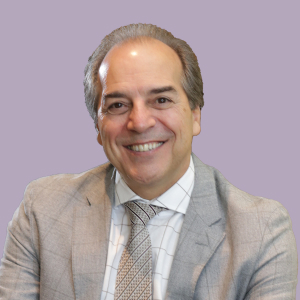
Medically reviewed by Dr Marco Aurélio Faria-Corrêa
Introduction
If you’re considering revision rhinoplasty in Bali, you may be seeking to address concerns from a previous nose surgery. This could involve functional issues affecting breathing or aesthetic concerns about the nose’s appearance. Revision rhinoplasty is a treatment option that aims to address these concerns. This procedure requires specialised expertise to navigate altered anatomy and scar tissue from previous surgery. Understanding the aspects of revision rhinoplasty, from surgical techniques to recovery expectations, can help you make an informed decision about pursuing corrective nose surgery in consultation with qualified healthcare professionals at Bali’s medical facilities.
What is Revision Rhinoplasty?
Revision rhinoplasty, also known as secondary rhinoplasty, is a corrective surgical procedure to address unsatisfactory results or complications from previous nose surgery. This procedure is more complex than primary rhinoplasty, as surgeons must work with altered nasal structures, existing scar tissue, and potentially compromised supporting frameworks. The surgery aims to restore both form and function, correcting aesthetic irregularities whilst ensuring proper nasal breathing.
The procedure addresses various concerns including nasal asymmetry, breathing difficulties, over-reduction of nasal structures, visible irregularities, or unnatural appearance following initial surgery. Revision rhinoplasty may involve rebuilding collapsed structures, removing excess scar tissue, grafting cartilage from other body areas, and reshaping the nasal framework. The procedure requires careful planning and precise execution, as the surgeon must work within the constraints of previously altered anatomy.
Some patients seek revision rhinoplasty due to the availability of experienced surgeons, modern medical facilities, and comprehensive care. The procedure typically takes longer than primary rhinoplasty and may require more extensive reconstruction techniques.
Who is a Suitable Candidate?
Ideal Candidates
- Individuals who have undergone previous rhinoplasty with unsatisfactory aesthetic results
- Patients experiencing functional problems such as breathing difficulties after initial surgery
- Those with visible nasal deformities including asymmetry, irregularities, or collapse
- Individuals whose nose appears unnatural or “operated on” following primary rhinoplasty
- Patients who have allowed sufficient healing time since their last procedure
- Non-smokers or those willing to quit smoking before and after surgery
- Individuals with realistic expectations about achievable improvements
- Patients in good general health without uncontrolled medical conditions
Contraindications
- Active nasal infections or chronic sinusitis requiring treatment
- Insufficient healing time since previous surgery
- Unrealistic expectations about surgical outcomes
- Body dysmorphic disorder or other psychological conditions affecting perception
- Bleeding disorders or medications that cannot be safely discontinued
- Severe scarring or tissue damage making reconstruction unfeasible
- Previous revisions that have exhausted available tissue
A thorough evaluation by a plastic surgeon with experience in revision rhinoplasty is essential to determine candidacy. The surgeon will assess your nasal structure, review previous surgical records if available, and discuss realistic goals for improvement based on your specific anatomy and concerns.
Treatment Techniques & Approaches
Open Revision Rhinoplasty
Open revision rhinoplasty involves making an incision across the columella (the tissue between the nostrils) along with internal incisions. This approach provides visibility and access to nasal structures, allowing the surgeon to assess the anatomy and perform reconstruction. The technique enables placement of grafts, removal of scar tissue, and reshaping of cartilage. While this method may leave a small external scar, it can provide control for complex revisions.
Closed Revision Rhinoplasty
Closed revision rhinoplasty utilises only internal incisions, avoiding external scarring. This technique may be suitable for certain revisions or specific corrections that don’t require extensive structural work. The approach offers faster initial healing and no visible scarring but provides limited visibility for complex reconstruction. Your surgeon will determine if closed technique can achieve your desired results based on the extent of revision needed.
Cartilage Grafting Techniques
Revision rhinoplasty often requires cartilage grafts to rebuild or support nasal structures. Common donor sites include the nasal septum (if available), ear cartilage for softer grafts, and rib cartilage for major reconstruction. Each source offers different properties suited to specific reconstruction needs. The surgeon harvests and shapes these grafts to restore structural integrity and achieve natural contours.
Technology & Equipment Used
Modern revision rhinoplasty utilises high-resolution imaging for surgical planning, surgical instruments designed for nasal work, and techniques for graft preparation and placement. Some facilities offer 3D imaging technology to help visualise potential outcomes and guide surgical planning.

Wondering which approach might be suitable for you?
Our Specialist Plastic Surgeons can evaluate your specific needs and discuss the available techniques.
The Treatment Process
Pre-Treatment Preparation
Before revision rhinoplasty, you may undergo a comprehensive medical evaluation, including blood tests and possibly imaging studies. Your surgeon will review any available records from previous surgeries to understandthe prior techniques used. You may need to stop smoking several weeks before surgery as advised by your healthcare professional. Certain medications, particularly blood thinners and anti-inflammatory drugs, may need to be stopped as directed by your doctor. You’ll need to arrange accommodation and have someone available for post-operative assistance. Pre-operative photographs may be taken for surgical planning and documentation. Individual preparation requirements may vary based on your medical history and specific circumstances.
During the Procedure
On surgery day, you’ll receive general anesthesia administered by an anesthesiologist. The procedure typically takes 2-4 hours, depending on the complexity of the revision required; more extensive reconstructions may require additional time. Your surgeon begins by carefully exposing the nasal framework, assessing existing structures and scar tissue. Scar tissue is addressed, and structural issues are managed systematically. Cartilage grafts may be harvested if needed and shaped for their intended purpose. The surgeon aims to rebuild or reshape the nasal framework to address both aesthetic and functional concerns. Internal splints or packing may be placed to support the newly shaped structures. The specific techniques used will depend on your individual anatomy and revision requirements.
Immediate Post-Treatment
Following surgery, you’ll recover in a monitored setting until fully awake. A nasal splint will be in place to protect and support your nose during the initial healing period. Some patients may experience discomfort, which can be managed with prescribed pain medication. Swelling and bruising around the eyes and nose are common after surgery. Patients can typically return to their accommodation the same day with detailed aftercare instructions. Ice packs may help with swelling management during the initial recovery period. Your surgeon will schedule follow-up appointments to monitor healing progress. Recovery experiences and timelines vary between individuals.
Recovery & Aftercare
First 24-48 Hours
Rest with your head elevated to minimise swelling and the risk of bleeding. Apply ice packs around the eyes and cheeks, avoiding direct pressure on the nose. Take prescribed medications as directed, including antibiotics and pain relievers. Avoid blowing your nose or engaging in activities that raise blood pressure. Light bleeding or drainage is normal and can be gently dabbed away. Stay hydrated and eat soft foods that require minimal chewing. Contact your surgeon immediately if you experience severe bleeding, vision changes, or signs of infection.
First Week
The external splint and any internal packing are typically removed within 5-7 days. Bruising and swelling typically peak around day 2-3 then gradually improve over 2-3 weeks. Continue sleeping with your head elevated for at least 2 weeks and avoid strenuous activities for 3-4 weeks. Gentle cleaning around the nostrils helps prevent crusting. Patients may be able to resume light activities and desk work after 7-10 days (if not physically demanding), though visible swelling may persist. Avoid wearing glasses directly on the nose bridge for 4-6 weeks; use tape or forehead support if needed. Your surgeon will provide specific instructions for nasal care and any restrictions based on your procedure.
Long-term Recovery
Full recovery from revision rhinoplasty typically takes 12-18 months, though major swelling resolves within 2-3 months. Subtle internal swelling may persist for up to a year before final results are apparent. Return to normal activities occurs gradually: light exercise after 3-4 weeks with surgeon approval, and contact sports and vigorous activities after 6-8 weeks or longer, depending on the extent of surgery.
Protect your nose from sun exposure and trauma throughout the healing period, particularly during the first 6 months. Subtle changes continue as tissues settle and mature over 12-18 months. Follow-up appointments at regular intervals (typically 1 week, 1 month, 3 months, 6 months, and 1 year) allow your surgeon to monitor progress. Scar massage techniques may be recommended after 6-8 weeks once initial healing is complete. Final results become apparent at 12-18 months once all swelling has resolved and tissues have fully remodeled.
Our plastic surgeons provide comprehensive post-procedure support to help with recovery.
Schedule your consultation to learn more about what to expect.
Benefits of Revision Rhinoplasty
Revision rhinoplasty may benefit patients with concerns following prior nose surgery. The procedure can aim to address structural issues, such as valve collapse or septal deviation, that may have resulted from prior surgery, potentially helping restore nasal breathing function.
Aesthetic improvements may include addressing asymmetry, smoothing irregularities, and working towards more natural-looking contours. The procedure can help address the “operated” appearance that can result from prior rhinoplasty, aiming for a more natural look.
Functional improvements may include better airflow and reduced breathing difficulties when structural issues are addressed.
Revision rhinoplasty aims to address both form and function, working towards results that appear natural whilst supporting proper nasal function. The procedure is administered as part of a comprehensive treatment plan under the supervision of a healthcare professional.
Note: The extent and durability of improvement vary by individual anatomy, tissue quality, and healing response.
Risks & Potential Complications
Common Side Effects
Revision rhinoplasty is associated with typical surgical side effects that patients may experience to varying degrees. Swelling and bruising around the nose and eyes typically persist for 2-4 weeks, with significant swelling resolving within 2-3 months. Subtle internal swelling can last 12-18 months before final contours emerge. Temporary numbness of the nose tip and upper teeth may occur due to nerve irritation during surgery, typically resolving within 3-6 months, though sensation changes can persist up to a year in some cases.
Nasal congestion from internal swelling can affect breathing for 2-6 weeks post-surgery as tissues heal. Minor bleeding or discharge during the first 1-2 weeks can be managed with gentle cleaning. These effects gradually resolve with proper care and patience during the healing process. Individual healing timelines and experiences may vary.
Rare Complications
Potential complications include infection that may require antibiotic treatment or, in some cases, surgical drainage. Excessive bleeding might necessitate additional intervention. Poor wound healing or unfavourable scarring can occur, particularly in smokers. Cartilage graft complications include warping, absorption, or visibility under the skin. Persistent breathing difficulties may require additional correction. Aesthetic dissatisfaction remains possible given the complexities of revision surgery.
Choosing an experienced surgeon can help reduce the risk of complications. Proper surgical technique, careful patient selection, and adherence to post-operative instructions all contribute to minimising adverse outcomes. Your surgeon will discuss specific risk factors based on your individual circumstances and previous surgical history. The extent and likelihood of complications vary by individual anatomy, healing capacity, and surgical complexity.
Cost Considerations
The cost of revision rhinoplasty in Bali varies based on several factors, including the complexity of correction required, the extent of reconstruction needed, and whether cartilage grafting from rib or ear is necessary. Surgeon experience and facility standards also influence pricing. The procedure typically costs more than primary rhinoplasty due to increased surgical time and technical complexity.
Your investment typically includes surgeon fees, facility and equipment costs, anaesthesia services, post-operative garments and splints, and follow-up appointments. While cost is a consideration, prioritising surgeon expertise and facility quality may help support safer outcomes and reduce the likelihood of requiring further revision.
During consultation, you’ll receive a personalised quote based on your specific surgical plan. Consider the long-term value when evaluating treatment options, as revision rhinoplasty requires significant expertise. This treatment should be administered as part of a comprehensive plan under the supervision of a healthcare professional.
Conclusion
Revision rhinoplasty represents a specialized surgical option for individuals seeking to address concerns from previous nose surgery. Whether addressing functional issues affecting breathing or aesthetic concerns about nasal appearance, this complex procedure aims to provide meaningful improvement while working within the constraints of previously altered anatomy.
The technical complexity of revision rhinoplasty—involving scar tissue, compromised structures, and limited available cartilage—requires selecting a plastic surgeon with specific experience in revision cases. With thorough surgical planning, realistic expectations for achievable outcomes, and dedicated adherence to recovery protocols, revision rhinoplasty may help improve both nasal function and appearance.
If you’re considering revision rhinoplasty, schedule a consultation with an experienced plastic surgeon to discuss your specific concerns, review your surgical history, and develop a personalized treatment plan based on your individual anatomy and goals.
Our Doctors
World Class Plastic Surgeons is more than a clinic it is a destination for aesthetic excellence tailored to a select audience.We are an international reference in plastic surgery procedures, offering sophistication, discretion, and innovation. We serve clients who value luxury, safety, and outstanding results.


Ready to Take the Next Step?
If you're considering revision rhinoplasty in Bali, our Plastic Surgeons can help you understand if it's a suitable option for your needs. With experience in revision procedures, we provide personalised care throughout your journey.
Make An Enquiry
Got Questions? Please fill in the enquiry form below and we look forward to addressing your question.