
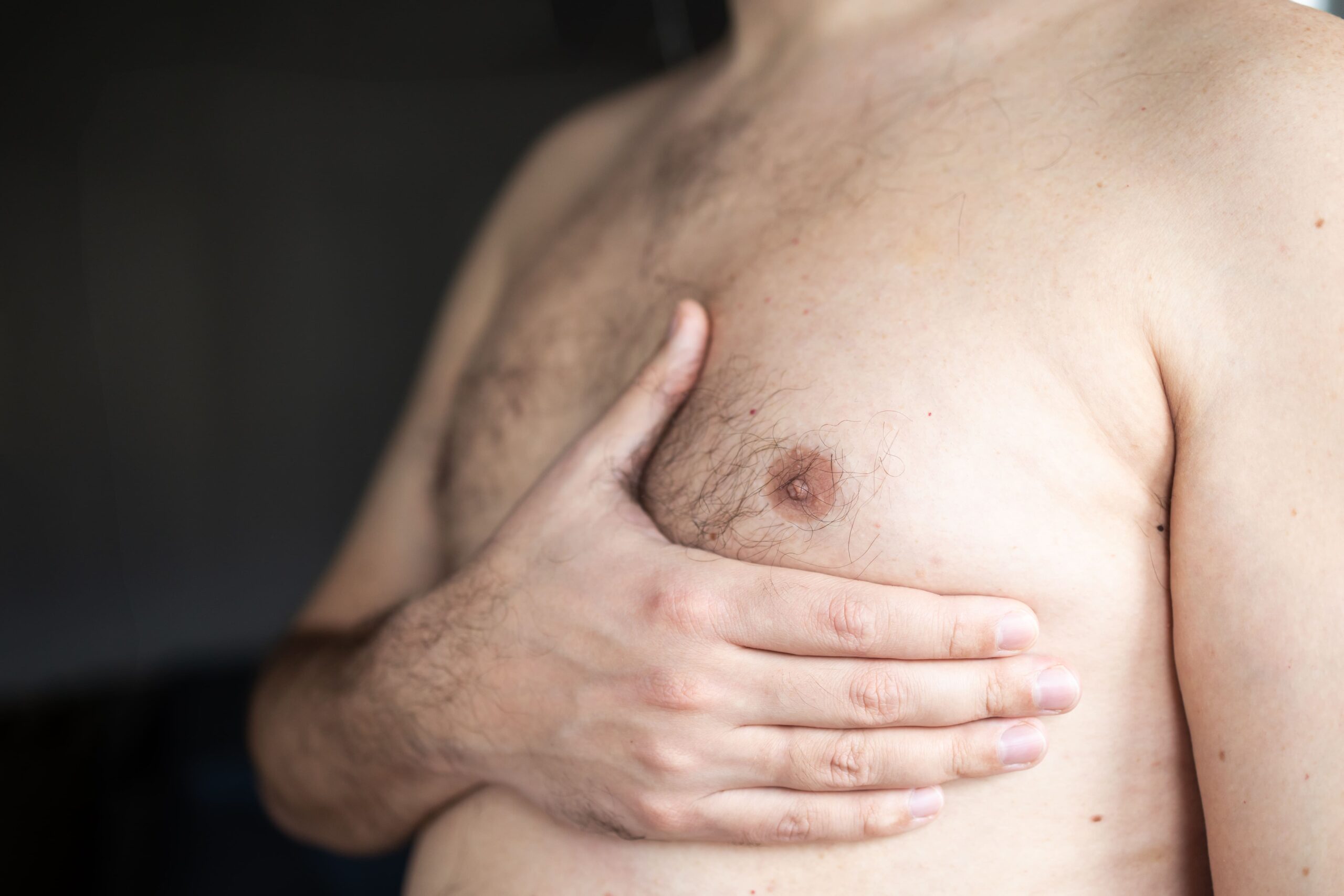
Gynecomastia Surgery (Male Chest Reduction) in Bali

Medically reviewed by Dr Marco Aurélio Faria-Corrêa
Living with enlarged breast tissue as a man can impact confidence and quality of life. Many men experiencing gynecomastia may find themselves avoiding certain activities, from beach visits to gym sessions. Gynecomastia surgery, also known as male chest reduction, is a treatment option that aims to create a more masculine chest contour.
In Bali, this procedure is performed by plastic surgeons in modern medical facilities, providing comprehensive care throughout the treatment. Healthcare professionals understand the physical and emotional aspects of this condition and offer personalised treatment approaches to address concerns about chest appearance.
Individual results and timelines may vary. This treatment is administered as part of a comprehensive plan supervised by a healthcare professional.
What is Gynecomastia Surgery?
Gynecomastia surgery aims to reduce enlarged breast tissue in men, helping to create a flatter, more masculine chest contour. The condition, medically known as gynecomastia, involves excess glandular tissue development, often accompanied by fatty tissue accumulation in the chest area. This surgical intervention removes the excess tissue through carefully planned incisions, reshaping the chest.
The procedure addresses both glandular tissue and excess fat that may not respond to diet or exercise alone. Surgeons employ various techniques depending on the tissue composition and severity of the enlargement. The surgery typically involves direct excision of glandular tissue, often combined with liposuction for contouring.
Gynecomastia can affect men and may result from hormonal changes, certain medications, weight fluctuations, or genetic factors. The condition is benign, but may cause psychological distress and social discomfort. Male chest reduction surgery can provide an option for suitable candidates.
Who is a Suitable Candidate?
Potential Candidates
- Men with persistent breast enlargement despite weight optimisation
- Individuals who have completed puberty (typically 18 years or older)
- Those with good skin elasticity
- Patients at a stable, healthy body weight
- Non-smokers or those willing to quit before surgery
- Men experiencing psychological distress from their chest appearance
- Individuals with realistic expectations about surgical outcomes
- Patients in good overall health without serious medical conditions
Contraindications
- Active breast disease or suspected breast cancer
- Untreated hormonal imbalances cause ongoing tissue growth
- Severe heart, lung, or kidney conditions
- Blood clotting disorders or bleeding tendencies
- Uncontrolled diabetes affects healing capacity
- Active infections or compromised immune system
- Unrealistic expectations about results
- Inability to follow post-operative care instructions
A thorough evaluation by a qualified plastic surgeon is essential to determine your candidacy for gynecomastia surgery. The assessment includes examining your chest tissue composition, skin quality, and overall health status. Understanding the underlying cause of your gynecomastia helps inform the treatment approach.
Treatment Techniques & Approaches
Liposuction-Only Technique
This approach may be suitable for patients with predominantly fatty tissue enlargement and good skin elasticity. Small incisions allow insertion of a cannula to remove excess fat whilst aiming to preserve chest contours. The technique may be considered for cases of pseudo-gynaecomastia in which fat accumulation is the primary concern. Recovery may be faster with minimal scarring.
Direct Glandular Excision
When dense glandular tissue is present, direct surgical excision may be necessary. The surgeon makes an incision, typically around the areola border, to access and remove the fibrous breast tissue. This technique aims to remove glandular components that liposuction cannot eliminate. The approach may yield results for actual cases of gynaecomastia.
Combined Technique
Many gynaecomastia surgeries utilise both excision and liposuction. This approach aims to remove glandular tissue whilst contouring surrounding fat deposits. The combination aims to create smooth chest contours. Surgeons customise the balance between techniques based on individual tissue composition.
Technology & Equipment Used
Modern surgical facilities utilise established equipment for gynaecomastia procedures. Power-assisted liposuction devices facilitate fat removal. Surgical instruments designed for male chest contouring aim to provide precision during glandular excision. Contemporary cautery tools aim to minimise bleeding whilst allowing tissue sculpting.

Considering which approach might be suitable for you?
Our Plastic Surgeons can evaluate your specific needs and discuss available techniques.
The Treatment Process
Pre-Treatment Preparation
The treatment process begins with a comprehensive medical evaluation, including blood tests and chest examination. Hormone level assessment may be recommended to rule out ongoing endocrine issues. You’ll receive specific instructions about medication adjustments, particularly blood thinners and supplements. Arrange for someone to accompany you on treatment day and assist during initial recovery. Stop smoking at least four weeks before the procedure to support healing. Purchase recommended compression garments and prepare your recovery space at home.
During the Procedure
On treatment day, you’ll receive markings outlining the treatment areas while standing. General anaesthesia or intravenous sedation with local anaesthesia aims to ensure your comfort throughout the procedure. The procedure typically takes 1-3 hours, depending on the extent of tissue removal required. The surgeon begins with liposuction if needed, followed by glandular excision through carefully placed incisions. The surgical team contours the chest, aiming for symmetry between both sides. Drainage tubes may be placed to help prevent fluid accumulation. Finally, the incisions are closed with sutures, and protective dressings are applied.
Immediate Post-Treatment
Following the procedure, you’ll recover in a monitored setting as anaesthesia wears off. Medical staff observe your vital signs and manage any immediate discomfort with prescribed medications. Your chest will be wrapped in compression dressings to help minimise swelling and support healing tissues. Patients can return to their accommodation the same day, though some prefer overnight observation. Before discharge, you’ll receive detailed aftercare instructions and emergency contact information. Initial bruising and swelling are normal and expected during this phase.
Recovery & Aftercare
First 24-48 Hours
Rest is important during the immediate post-operative period. Keep your upper body elevated when lying down to help reduce swelling. Take prescribed pain medications as directed by your healthcare professional to maintain comfort. Avoid any arm movements that stretch the chest area. Light walking around your room may help prevent blood clots. Monitor surgical sites for any unusual bleeding or discharge. Your compression garment should stay in place continuously except during approved washing times. Stay hydrated and eat nutritious, easy-to-digest foods.
First Week
Swelling and bruising may peak around day three before gradually improving. Continue wearing your compression garment as directed by your surgeon. Gentle arm movements can begin, but avoid lifting anything heavy. Shower carefully once your surgeon approves, keeping incisions dry afterwards. Attend your first follow-up appointment for assessment and possible drain removal. Some patients may return to desk work after consultation with their surgeon. Sleep on your back to avoid pressure on healing tissues. Walking longer distances may become more comfortable as the week progresses.
Long-term Recovery
Healing continues over several months as swelling resolves. The duration of compression garment wear will be determined by your surgeon. Light exercise may resume after consultation with your healthcare professional, with complete activities as advised. Scars initially appear pink but may fade over time. Chest contours may become more apparent over several months post-surgery. Sun protection for incision sites may help prevent dark patches (hyperpigmentation) during healing. Regular follow-up appointments allow for monitoring of your progress and addressing any concerns.
Our Plastic Surgeons provide post-procedure support to help with recovery.
Schedule your consultation to learn more about what to expect.
Benefits of Gynecomastia Surgery
Male chest reduction surgery may provide physical and psychological improvements for suitable candidates. Some patients report increased comfort in social situations, including swimming or beach visits. The procedure aims to create a more masculine chest contour, potentially reducing the need for concealing clothing or compression garments.
Physical comfort may improve as excess tissue no longer causes irritation during exercise or daily activities. Some men find increased motivation to maintain fitness routines. The removal of glandular tissue aims to provide stable results with proper weight maintenance. Clothing may fit better across the chest, potentially expanding wardrobe options.
Professional and personal relationships may benefit as self-esteem can increase following surgery. The procedure may provide psychological relief from addressing body image concerns. Some patients describe feeling more comfortable and experiencing reduced social anxiety. The ability to participate more fully in activities without constant awareness of chest appearance may represent a significant improvement for men who have experienced gynecomastia.
Risks & Potential Complications
Common Side Effects
Bruising and swelling may occur following gynecomastia surgery and typically resolve over time. Temporary numbness around incision sites and nipples can affect patients, though sensation may return gradually. Mild asymmetry during healing can occur as each side may recover at different rates. Discomfort and tightness in the chest area may persist and can be managed with prescribed pain medication. Small fluid collections (seromas) may occasionally develop and can be addressed if needed.
Rare Complications
Infection may occur when proper surgical protocols and aftercare are followed. Bleeding requiring intervention can occur with surgical procedures. Poor wound healing or widened scars may develop, particularly in patients with certain medical conditions or lifestyle factors. Permanent changes in nipple sensation may affect some patients. Asymmetry requiring revision surgery can occur. Deep vein thrombosis risk exists, but can be minimised through early mobilisation and compression measures.
Choosing a plastic surgeon with training in male chest procedures may help reduce the risk of complications. Proper patient selection, surgical technique, and adherence to post-operative instructions all contribute to outcomes. Your surgeon will discuss your individual risk factors during consultation.
Cost Considerations
Gynecomastia surgery costs vary based on several factors. The extent of tissue removal required affects pricing; combination procedures involving both excision and liposuction require more operative time. Surgeon qualifications and credentials affect fees; plastic surgeons charge rates commensurate with their training.
Facility fees encompass the use of accredited surgical centres with modern equipment and trained support staff. Anaesthesia costs depend on procedure duration and whether general anaesthesia or sedation is used. Pre-operative testing, compression garments, medications, and follow-up appointments may be included in treatment packages.
When considering treatment options, prioritising surgeon qualifications and facility standards helps ensure appropriate care. Quality surgical care with proper follow-up support may contribute to your physical and psychological well-being. Your consultation will provide information about costs based on your specific surgical requirements.
Conclusion
Gynecomastia surgery represents a treatment option for men with enlarged breast tissue. The procedure aims to create a more masculine chest contour and may provide psychological benefits. With plastic surgeons and modern surgical facilities, Bali provides a setting for male chest reduction procedures, combining professional medical care with a recovery environment. The results of this surgery may allow you to consider activities and clothing choices you previously avoided, potentially enhancing your quality of life.
Our Doctors
World Class Plastic Surgeons is more than a clinic it is a destination for aesthetic excellence tailored to a select audience.We are an international reference in plastic surgery procedures, offering sophistication, discretion, and innovation. We serve clients who value luxury, safety, and outstanding results.


Ready to Take the Next Step?
If you're considering gynecomastia surgery in Bali, our Plastic Surgeons can help you understand if it's a suitable option for your needs. With experience in male chest reduction procedures, we provide personalised care throughout your journey.
Make An Enquiry
Got Questions? Please fill in the enquiry form below and we look forward to addressing your question.