
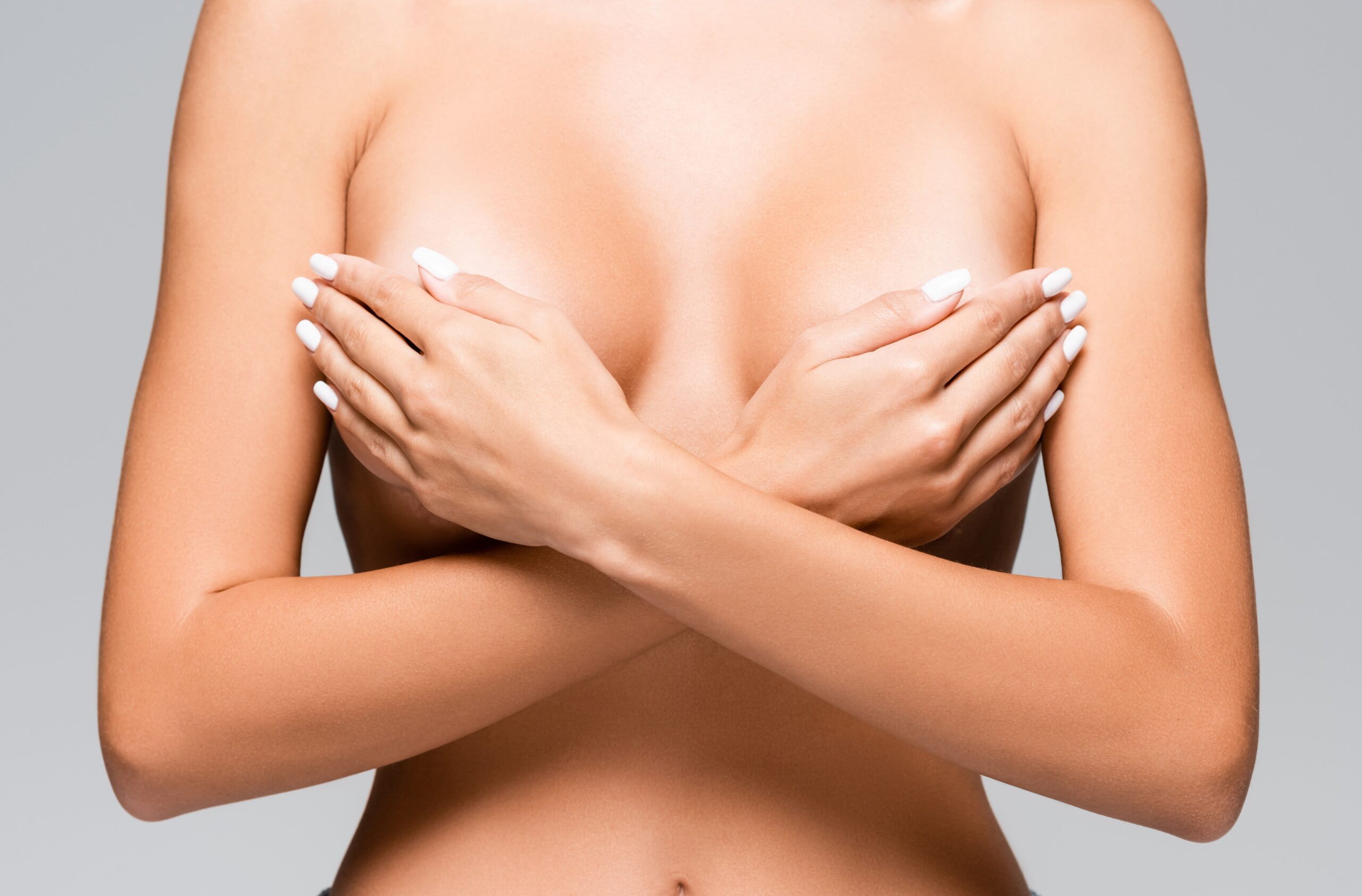
Fat Transfer Breast Augmentation in Bali
Medically reviewed by Dr Marco Aurélio Faria-Corrêa
Introduction
For women considering breast enhancement without implants, fat transfer breast augmentation represents one available option. This procedure, also known as autologous fat grafting to the breast, involves body contouring through liposuction and breast enhancement using the patient’s own fat tissue. Bali has developed as a medical tourism destination for cosmetic procedures, offering patients access to qualified surgeons and recovery facilities. Understanding the complete process, from initial consultation through recovery, can help ensure you make an informed decision about undergoing fat transfer breast augmentation abroad. Individual results and suitability for this procedure may vary. This treatment should be administered as part of a comprehensive plan under the supervision of a qualified healthcare professional.
What is Fat Transfer Breast Augmentation?
Fat transfer breast augmentation is a surgical procedure that harvests fat from one area of your body through liposuction and transfers it to your breasts for enhancement. Unlike traditional breast augmentation with implants, this technique uses your own fat cells as a natural filler material. The procedure involves three main steps: harvesting fat from donor sites like the abdomen, thighs, or flanks; processing and purifying the collected fat; and carefully injecting it into the breast tissue to achieve the desired shape and volume.
This technique may increase breast size, though results vary depending on individual factors, such as the amount of available donor fat and breast tissue characteristics. The procedure may appeal to women who prefer a modest enhancement without foreign materials in their bodies. Fat transfer also allows for precise contouring and can help address minor breast asymmetries whilst simultaneously improving body contour in the donor areas.
Who is a Suitable Candidate?
Ideal Candidates
- Women seeking modest breast enhancement
- Individuals with sufficient donor fat in areas like the abdomen, thighs, or hips
- Patients preferring natural augmentation without implants
- Non-smokers or those willing to quit before surgery
- Women with realistic expectations about achievable results
- Individuals in good overall health without severe medical conditions
- Patients who have completed childbearing and breastfeeding
- Those seeking to address minor breast asymmetries
- Women looking for simultaneous body contouring benefits
Contraindications
- Insufficient body fat for harvesting (very lean individuals)
- Active breast disease or undiagnosed breast lumps
- History of breast cancer or high genetic risk
- Unrealistic expectations about dramatic size increase
- Active smoking or nicotine use
- Uncontrolled diabetes or healing disorders
- Blood clotting disorders or anticoagulant therapy
- Pregnancy or active breastfeeding
- Severe breast ptosis requiring significant lifting
A thorough evaluation by a plastic surgeon is essential to determine your suitability for fat transfer breast augmentation. Your surgeon will assess your breast anatomy, available donor fat, skin quality, and overall health to create a personalised treatment plan.
Treatment Techniques & Approaches
Liposuction Harvesting Techniques
The fat harvesting phase uses gentle liposuction techniques to preserve fat cell viability. Power-assisted liposuction (PAL) or water-assisted liposuction (WAL) methods may be used, as they aim to minimise trauma to fat cells during extraction. The surgeon makes small incisions in predetermined donor sites and uses specialised cannulas to collect fat whilst maintaining its integrity for transfer.
Fat Processing Methods
Once harvested, the fat undergoes processing to remove excess fluids, blood, and damaged cells. Centrifugation is a standard purification method that spins harvested fat at controlled speeds to separate viable fat cells from unwanted components. Some surgeons use filtration or decantation techniques, each with specific protocols to support fat cell survival and integration.
Injection and Layering Technique
The purified fat is carefully injected into the breast using multiple small syringes and specialised cannulas. The surgeon employs a multi-layer, multi-tunnel technique, placing small amounts of fat in different tissue planes to provide adequate blood supply to the transferred cells. This approach aims to support fat survival and create natural-looking results.

Wondering which approach might be suitable for you?
Consult with a plastic surgeon to evaluate your specific needs and discuss available techniques.
The Treatment Process
Pre-Treatment Preparation
Before travelling to Bali, you may need comprehensive medical evaluations, including blood tests, a mammogram or ultrasound (for women over 40), and medical clearance from your physician. A stay in Bali for surgery and initial recovery may be recommended. Smoking cessation and discontinuation of blood-thinning medications may be advised as directed by your healthcare professional. Comfortable, loose-fitting clothing and arranging for a companion to assist during the recovery period may be beneficial.
During the Procedure
The surgery can take several hours under general anaesthesia. The surgeon may perform liposuction on predetermined donor sites, collecting fat while contouring these areas. The harvested fat undergoes processing while the surgical team prepares the breast area. Using specialised injection cannulas, the surgeon injects the processed fat into multiple layers of breast tissue, assessing symmetry and shape. The procedure concludes with closure of small incisions and application of compression garments.
Immediate Post-Treatment
After surgery, recovery in the facility involves monitoring of vital signs. Compression garments may be applied to both liposuction sites and breasts to help minimise swelling and support healing tissues. Pain medication and antibiotics may be administered as needed. Patients may be able to return to their accommodation with detailed aftercare instructions. The surgical team may provide contact information for any concerns during recovery.
Recovery & Aftercare
First 24-48 Hours
Rest is essential for healing during the initial recovery period. Patients may experience moderate discomfort at both donor sites and breasts, which can be managed with prescribed pain medication. Swelling and bruising are typical, particularly at liposuction sites. Keep compression garments on continuously except during supervised garment changes. Light walking is encouraged to prevent blood clots, but avoid strenuous activities. Monitor for signs of infection such as fever, excessive redness, or unusual discharge.
First Week
Swelling typically peaks around day 3-4 before gradually subsiding. Continue wearing compression garments as directed. Attend scheduled follow-up appointments for wound checks and garment adjustments. Gentle lymphatic massage may be recommended to reduce swelling. Patients can usually shower after 48 hours with waterproof dressings. Avoid sleeping on your stomach or sides to protect the newly transferred fat. Light activities like walking are beneficial, but avoid lifting heavy objects.
Long-term Recovery
Recovery timelines vary by individual. Compression garments are usually worn for several weeks on donor sites, and specialised bras for breast support. Return to exercise gradually, starting with light activities and progressing as advised by your healthcare professional. Schedule follow-up imaging as recommended to monitor breast health. Maintain a stable weight to help preserve results, as significant weight fluctuations may affect transferred fat volume.
Planning your recovery is vital for healing.
Schedule a consultation to learn more about what to expect during your recovery process.
Benefits of Fat Transfer Breast Augmentation
Fat transfer breast augmentation may offer particular advantages for suitable candidates. Using your own tissue can help reduce certain risks associated with implants, such as rupture, capsular contracture, or the need for replacement surgeries. Results aim to look and feel natural since the enhancement comes from your own fat cells. Simultaneous body contouring from liposuction may provide additional aesthetic improvement, potentially creating a more proportionate overall silhouette.
The procedure typically involves minimal scarring, with only small incisions from liposuction and injection sites that may fade over time. There is generally no risk of allergic reaction or rejection since the material comes from your own body. Some women prefer avoiding foreign materials and the long-term maintenance that may be associated with implants. The transferred fat can respond naturally to weight changes and ageing, potentially maintaining proportional appearance over time. Recovery may be more comfortable than with implant surgery, with less stretching of breast tissues.
Risks & Potential Complications
Common Side Effects
Swelling and bruising at both donor and recipient sites may affect patients, typically resolving within a few weeks. Temporary numbness or altered sensation in treated areas can occur, usually improving over time. Some patients may experience minor contour irregularities or asymmetries that might require additional procedures. Fat absorption is expected, with some of the transferred volume potentially lost over time. Temporary firmness or lumps from fat necrosis may occur but usually resolve without intervention.
Rare Complications
Serious complications can include infection requiring antibiotic treatment or drainage. Fat embolism, though rare, is a serious risk requiring immediate medical attention. Significant asymmetry or contour deformities might necessitate revision surgery. Oil cysts or calcifications can develop, potentially interfering with breast cancer screening. Poor fat survival may result in less enhancement than anticipated. Seroma formation at liposuction sites may require drainage.
Choosing a plastic surgeon and following all pre- and post-operative instructions may help reduce the risk of complications. Proper surgical technique, sterile conditions, and appropriate patient selection are essential for safe outcomes.
Cost Considerations
The cost of fat transfer breast augmentation typically includes surgeon fees, facility charges, anaesthesia, post-operative garments, and initial follow-up care. Prices vary based on the surgeon’s experience, the quality of the facility, and the extent of liposuction required. When comparing costs, consider the complete expense, including flights, accommodation, travel insurance with medical coverage, and potential revision procedures.
Quality should never be compromised for price when considering surgery abroad. Research surgeon credentials, facility accreditation, and patient reviews thoroughly. Factor in the cost of an extended stay for proper recovery, as well as any companion’s expenses. Some patients may require touch-up procedures, which involve additional fees. Ensure clear communication about what’s included in quoted prices and understand policies regarding complications or revisions.
Individual results and timelines may vary. This treatment is administered as part of a comprehensive plan supervised by a healthcare professional.
Medical Tourism Considerations for Bali
Choosing a Qualified Provider
When selecting a plastic surgeon in Bali, verify their credentials through official medical boards. Look for membership in recognised international plastic surgery societies. Ensure the surgical facility meets international healthcare standards and is appropriately accredited. Request documentation of previous fat transfer breast augmentation procedures. Arrange video consultations before travelling to discuss your goals and expectations thoroughly.
Travel and Recovery Logistics
Plan to arrive in Bali at least 2-3 days before surgery for final consultations and preparation. Book accommodation near your surgical facility to make follow-up appointments more convenient. Ensure your accommodation has the necessary amenities for a comfortable recovery. Arrange reliable transport for medical appointments. Consider hiring a professional aftercare nurse for the initial recovery period if travelling alone.
Communication and Follow-up Care
Confirm that your surgical team communicates clearly in your language. Establish protocols for emergency contact during your stay. Arrange for medical records and imaging to be provided for your home physician. Plan for long-term follow-up care with a qualified plastic surgeon in your home country. Understand the surgeon’s policy on addressing complications after returning home.
Conclusion
Fat transfer breast augmentation is one approach to breast enhancement that may appeal to women seeking modest improvement without implants. When considering this procedure in Bali, thorough research and careful planning are essential for a safe experience. The combination of body contouring through liposuction and breast enhancement aims to provide aesthetic improvement using your own tissue.
Success depends on selecting qualified surgeons, understanding the entire process, and adequately preparing for surgery and recovery abroad. Whilst medical tourism can offer cost advantages and a unique recovery environment, it requires additional consideration of logistics, communication, and follow-up care arrangements.
Our Doctors
World Class Plastic Surgeons is more than a clinic it is a destination for aesthetic excellence tailored to a select audience.We are an international reference in plastic surgery procedures, offering sophistication, discretion, and innovation. We serve clients who value luxury, safety, and outstanding results.


Ready to Take the Next Step?
If you're considering fat transfer breast augmentation, consulting with qualified plastic surgeons is essential to understanding if this procedure aligns with your goals. Experienced surgeons can evaluate your suitability, discuss realistic outcomes, and help you prepare for a safe surgical journey.
Make An Enquiry
Got Questions? Please fill in the enquiry form below and we look forward to addressing your question.