Explant with Breast Lift in Bali
Medically reviewed by Dr Marco Aurélio Faria-Corrêa
Introduction
Many women who have previously undergone breast augmentation may decide to remove their implants for various personal, medical, or lifestyle reasons. Explant with breast lift, also known as implant removal with mastopexy, combines the removal of breast implants with a lifting procedure to address skin laxity and restore breast shape. This combined approach aims to help achieve a natural breast contour after implant removal. This procedure has become increasingly sought after by international patients seeking surgical care in a recovery-friendly environment.
What is Explant with Breast Lift?
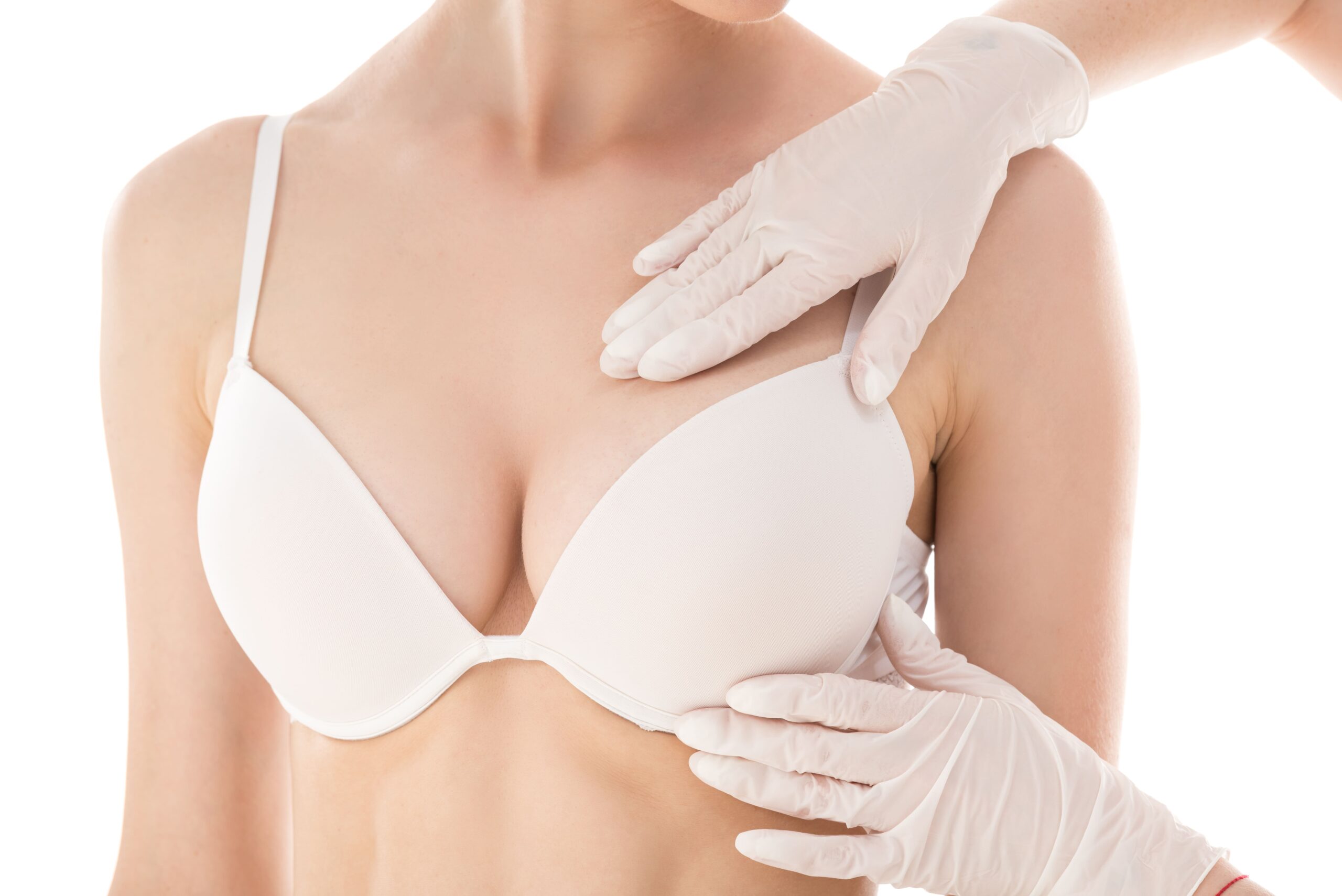
Explant with breast lift is a surgical procedure combining two components: complete removal of breast implants (explantation) and reshaping and lifting of breast tissue (mastopexy). When breast implants are removed, the stretched skin may appear loose or deflated. The breast lift addresses this by removing excess skin, repositioning the nipple-areola complex, and reshaping the remaining breast tissue to create a natural contour.
This procedure differs from simple implant removal, which involves only removing the implants without addressing skin changes. The combination approach may benefit patients whose breast skin has lost elasticity over time or those who have experienced significant stretching from larger implants. The surgery can address implant-related complications, changes in personal preferences, or health considerations such as breast implant illness (BII) symptoms.
The procedure can help restore a more proportionate breast appearance without replacement implants. Individual results and timelines may vary. This treatment is administered as part of a comprehensive plan supervised by a healthcare professional.
Who is a Suitable Candidate?
Potential Candidates
- Women with breast implants experiencing complications such as capsular contracture, rupture, or displacement
- Patients concerned about breast implant illness (BII) symptoms
- Those experiencing discomfort, pain, or interference with physical activities from their implants
- Women whose lifestyle or aesthetic preferences have changed since augmentation
- Patients with adequate breast tissue remaining after implant removal
- Non-smokers or those willing to quit before surgery
- Individuals in good overall health without uncontrolled medical conditions
- Those with realistic expectations about post-explant breast appearance
- Women who have completed childbearing and breastfeeding
Contraindications
- Active breast infections or unresolved breast disease
- Uncontrolled diabetes or bleeding disorders
- Severe cardiovascular conditions
- Current pregnancy or breastfeeding
- Unrealistic expectations about surgical outcomes
- Inability to follow post-operative care instructions
- Active smoking within appropriate timeframes before surgery
- Certain autoimmune conditions affecting healing
A thorough consultation with a plastic surgeon is essential to determine individual suitability for this procedure. The surgeon can evaluate breast tissue quality, skin elasticity, implant condition, and overall health status to create a personalised surgical plan.
Treatment Techniques & Approaches
En Bloc Capsulectomy with Lift
En bloc capsulectomy removes the implant and the surrounding scar tissue capsule as one complete unit. This technique may be considered when there’s concern about silicone leakage or when addressing potential BII symptoms. The capsule is carefully dissected intact to prevent contamination of surrounding tissues. Following removal, the breast lift is performed using the appropriate incision pattern based on the degree of ptosis (sagging). Individual results and surgical approaches may vary based on anatomy and clinical assessment.
Total Capsulectomy with Mastopexy
Total capsulectomy removes all scar tissue, but not necessarily in one piece. This approach may be suitable when the capsule is thin or when en bloc removal isn’t feasible. After complete capsule removal, the plastic surgeon reshapes the breast mound and performs the lifting procedure. This technique allows for thorough cleaning of the implant pocket before proceeding with tissue reshaping. The extent and outcome of the procedure vary by individual anatomy and tissue quality.
Partial Capsulectomy with Lift
In cases where the capsule is thin and shows no signs of calcification or complications, partial removal may be appropriate. This approach removes only the anterior (front) portion of the capsule whilst leaving the posterior portion against the chest wall. The breast lift component follows standard mastopexy techniques adapted to the individual’s anatomy. Suitability for this approach depends on individual clinical assessment.
Technology & Equipment Used
Modern surgical facilities utilise established surgical equipment, including electrocautery devices for precise tissue dissection, surgical loupes for enhanced visualisation, and specialised retractors for optimal access. Some surgeons may employ drain placement systems to prevent fluid accumulation. The choice of suture materials and techniques plays a role in achieving scar healing in tropical climates. Equipment and methods may vary between facilities and surgeons.
Considering which explant technique might be suitable for you?
A plastic surgeon can evaluate your specific needs and discuss the available approaches.
The Treatment Process
Pre-Treatment Preparation
Before surgery, patients undergo a comprehensive health screening, including blood tests, a chest X-ray, and an ECG if indicated. Mammography or ultrasound may be recommended to assess breast tissue. Patients must discontinue blood-thinning medications, supplements, and smoking at least 2 weeks before surgery. Arrangements for post-operative accommodation in Bali should be confirmed, along with a companion for the initial recovery period. Pre-operative marking is done on the day of surgery to plan incision placement and new nipple position.
During the Procedure
The surgery begins with the administration of general anaesthesia by a qualified anaesthesiologist. The plastic surgeon makes incisions according to the planned lift pattern—typically periareolar, vertical, or anchor-shaped, depending on the degree of lift needed. The implant and capsule are carefully removed through the incision. Any remaining scar tissue is excised, and the pocket is irrigated thoroughly.
The breast tissue is then reshaped and lifted, with the nipple-areola complex repositioned to an appropriate height. Excess skin is removed, and the remaining skin envelope is tailored to the new breast shape. Internal sutures support the lifted tissue, and drains may be placed to prevent fluid accumulation. The incisions are closed in layers with careful attention to minimising tension on the skin. The procedure duration varies depending on individual anatomy and complexity.
Immediate Post-Treatment
Following surgery, patients are monitored in recovery. Surgical dressings and a supportive surgical bra are applied. Pain medication is administered as needed, and patients receive detailed post-operative instructions. Patients can typically return to their accommodation the same day, though some may prefer overnight observation. Drain care instructions are provided if drains were placed. The surgical team ensures patients are comfortable and stable before discharge.
Individual results and recovery timelines may vary. This treatment is administered as part of a comprehensive plan supervised by a healthcare professional.
Recovery & Aftercare
First 24-48 Hours
Immediate post-operative care focuses on pain management and monitoring for complications. Rest with your upper body elevated to reduce swelling. Pain may be manageable with prescribed medications. Light arm movements are encouraged to prevent stiffness, but avoid lifting and reaching. Drains, if placed, are monitored and may be removed within several days as determined by your surgeon. The surgical bra must be worn continuously except when showering. Watch for warning signs, including excessive bleeding, severe pain, or signs of infection.
First Week
Swelling and bruising may peak around day 3-4 before gradually improving. Daily gentle walks are encouraged to promote circulation. Attend follow-up appointments for wound checks and, if applicable, drain removal. Showering may be permitted after 48 hours with careful dressing changes afterwards. Light daily activities can be performed, but avoid lifting heavy objects as advised by your surgeon. Sleep with your upper body elevated, and continue wearing the surgical bra as directed.
Long-term Recovery
By week 2-3, return to desk work and light activities may be possible. Swelling continues to subside over several weeks. Exercise can be resumed gradually as advised by your surgeon, starting with lower-body workouts. Upper body exercises and chest workouts should wait until cleared by your surgeon. The final breast shape and position become apparent over several months as tissues settle. Scar maturation continues over time, with proper scar care critical in tropical climates. Regular follow-up appointments monitor healing progress and address concerns.
Our Plastic Surgeon provides comprehensive post-procedure support to help with recovery.
Schedule your consultation to learn more about what to expect.
Benefits of Explant with Breast Lift
Explant with breast lift may offer physical and psychological benefits for suitable patients. The procedure aims to eliminate implant-related complications, such as capsular contracture, implant rupture, or implant displacement. Some patients may experience relief from physical symptoms, including neck pain, back pain, and shoulder discomfort that were associated with heavy implants. Removing foreign material from the body can provide peace of mind for those concerned about long-term implant safety.
The breast lift component aims to help breasts maintain shape after implant removal, which may help prevent the deflated appearance that can occur with simple explantation. Natural breast tissue typically feels softer and moves more naturally than augmented breasts. Patients may experience improved ability to exercise, particularly in high-impact activities, without implant-related limitations. Mammogram accuracy may improve without interference from implants. The procedure can help restore body confidence while aligning with changed lifestyle preferences or values. Some women appreciate the freedom from future implant-related maintenance surgeries.
Risks & Potential Complications
Common Side Effects
Temporary swelling and bruising are expected and may resolve over several weeks. Mild to moderate pain is common initially and can be managed with medication. Temporary numbness or altered sensation in the breast and nipple area may persist for varying periods. Fatigue may occur during the recovery period. Tightness in the chest area may improve as tissues heal. Minor fluid accumulation (seroma) may occur and can be managed conservatively. These effects are temporary and part of the healing process.
Rare Complications
Less common complications include infection, which can occur with any surgical procedure. Delayed wound healing may affect some patients depending on individual factors. Haematoma (blood collection) requiring drainage may occur and could necessitate additional procedures. Changes in nipple sensation, while often temporary, may sometimes be permanent. Asymmetry between breasts may require revision surgery. Poor scar healing or keloid formation can occur, particularly in predisposed individuals. Deep vein thrombosis may occur and requires immediate medical attention if suspected.
Choosing a plastic surgeon and following all pre- and post-operative instructions can help reduce the risk of complications. Proper patient selection and realistic expectations contribute to treatment outcomes.
Cost Considerations
The cost of an explant with breast lift varies based on several factors, including surgical complexity, the type of capsulectomy required, and the extent of breast lift needed. Surgeon experience and qualifications, as well as the choice of medical facility and its accreditation status, influence pricing. The total investment typically includes surgeon fees, anaesthesia costs, operating room charges, and post-operative garments. Preoperative testing and imaging increase overall expenses.
Accommodation costs for the recommended recovery period should be factored into the total budget. Follow-up appointments and any prescribed medications are additional considerations. When considering treatment options, prioritising surgeon qualifications and facility standards over cost alone may support safer outcomes. Professional surgical care, with proper credentials and safety protocols, can add value when making treatment decisions. Consultations can provide personalised information based on individual surgical requirements.
Individual costs and requirements may vary. Patients are advised to consult with qualified healthcare professionals to discuss their specific circumstances.
Conclusion
Explant with breast lift is a treatment option for women considering the removal of their breast implants while addressing changes in breast shape. This combined procedure may help address both the physical and aesthetic concerns associated with implant removal. The procedure aims to create natural-looking results that can align with changing lifestyle preferences or health considerations. When considering this surgery in Bali, careful selection of surgeons and accredited facilities remains essential for patient safety and outcomes.
Our Doctors
World Class Plastic Surgeons is more than a clinic it is a destination for aesthetic excellence tailored to a select audience.We are an international reference in plastic surgery procedures, offering sophistication, discretion, and innovation. We serve clients who value luxury, safety, and outstanding results.


Ready to Take the Next Step?
If you're considering an explant with breast lift in Bali, our Plastic Surgeon can help you understand if it may be suitable for your needs. With experience in breast revision surgery, we provide personalised care throughout your journey.
Make An Enquiry
Got Questions? Please fill in the enquiry form below and we look forward to addressing your question.