Breast Lift (Mastopexy) in Bali

Medically reviewed by Dr Marco Aurélio Faria-Corrêa
Introduction
Many women experience changes in breast shape and position due to pregnancy, breastfeeding, weight fluctuations, or natural ageing. If you’re considering a breast lift in Bali, you’re exploring a procedure that may help restore breast contour. A breast lift, medically known as mastopexy, is a surgical procedure that aims to raise and reshape sagging breasts by removing excess skin and tightening surrounding tissue. Bali has become a recognised destination for plastic surgery, offering experienced surgeons and modern medical facilities.
Individual results and timelines may vary. This treatment is administered as part of a comprehensive plan supervised by a healthcare professional.
What is a Breast Lift (Mastopexy)?
A breast lift or mastopexy is a surgical procedure that elevates the breasts by removing excess skin and tightening the surrounding tissue to reshape and support the new breast contour. Unlike breast augmentation, which increases breast size through implants, a breast lift primarily addresses sagging (ptosis) and may help improve breast shape without significantly changing breast volume.
The procedure repositions the nipple-areola complex to a different height and can reduce enlarged areolas if necessary. Mastopexy addresses various degrees of breast ptosis, from mild sagging where the nipple sits at the breast fold level, to severe ptosis where the nipple points downward below the fold. The surgery aims to restore firmness and projection that may have been lost due to pregnancy, breastfeeding, gravity, weight changes, or hereditary factors.
Women may consider mastopexy when they notice their breasts have changed in shape and firmness, which can affect how clothing fits. The procedure can be performed alone or combined with breast augmentation for women who also desire increased volume.
Who is a Suitable Candidate?
Ideal Candidates
- Women with sagging breasts who desire improved breast shape and position
- Individuals whose nipples point downward or fall below the breast crease when unsupported
- Those with stretched skin and enlarged areolas due to pregnancy or weight loss
- Patients with asymmetrical breasts where one breast sits lower than the other
- Women who have maintained a stable weight for at least six months
- Non-smokers or those willing to quit smoking several weeks before and after surgery
- Individuals with realistic expectations about surgical outcomes
- Patients in good overall health without conditions that impair healing
Contraindications
- Women who are currently pregnant or breastfeeding
- Individuals planning future pregnancies within the next year
- Patients with uncontrolled diabetes or autoimmune disorders
- Those with active infections or untreated breast disease
- Individuals with unrealistic expectations about results
- Patients with severe obesity or significant weight fluctuations
- Those unable to commit to proper post-operative care and recovery
A thorough consultation with an experienced plastic surgeon is essential to determine if you may be an appropriate candidate for mastopexy. The surgeon typically evaluates your breast anatomy, skin quality, degree of ptosis (sagging), and overall health to recommend an approach tailored to your specific needs.
Treatment Techniques & Approaches
Periareolar Lift (Doughnut Lift)
The periareolar technique involves a circular incision around the areola edge. This approach may be suitable for mild breast sagging with minimal excess skin. The surgeon removes a doughnut-shaped area of skin around the areola, then sutures the surrounding skin to the areola border. This technique aims to create minimal scarring confined to the areola perimeter and can allow for areola size reduction if desired.
Vertical Lift (Lollipop Lift)
The vertical mastopexy combines a periareolar incision with a vertical incision extending from the areola’s bottom to the breast fold. This technique may be suitable for moderate breast ptosis and offers greater reshaping capabilities than the periareolar approach. The vertical lift aims to achieve nipple elevation and breast reshaping while avoiding the horizontal scar along the breast fold. Recovery may involve less swelling than more extensive techniques.
Inverted-T Lift (Anchor Lift)
The inverted-T or anchor lift incorporates three incisions: around the areola, vertically down to the breast fold, and horizontally along the breast crease. This comprehensive technique may address severe breast sagging with significant excess skin. Whilst it creates more extensive scarring, the anchor lift aims to provide lifting and reshaping, making it a potential option for women with significant ptosis or those requiring asymmetry correction.
Technology & Equipment Used
Modern breast lift procedures utilise specialised surgical instruments and techniques to optimise outcomes. Surgeons use precise marking systems to ensure symmetry and proper nipple positioning. Electrocautery devices aim to minimise bleeding during surgery, whilst specialised suturing techniques support the lifted breast tissue. Some facilities use 3D imaging technology for pre-operative planning, which may help patients visualise potential outcomes.

Considering which breast lift technique might be suitable for you?
Our experienced Plastic Surgeons can evaluate your specific needs and discuss the available approaches.
The Treatment Process
Pre-Treatment Preparation
Before your mastopexy procedure, you’ll undergo comprehensive medical evaluation, including blood tests and possibly mammography. Your surgeon may provide specific instructions about medications to avoid, particularly blood thinners and specific supplements that may increase bleeding risk. You should stop smoking at least four weeks before surgery to support healing. You’ll need to arrange transportation and post-operative assistance, as you cannot drive immediately after surgery. The night before surgery, you’ll follow fasting instructions and shower with antibacterial soap as directed.
During the Procedure
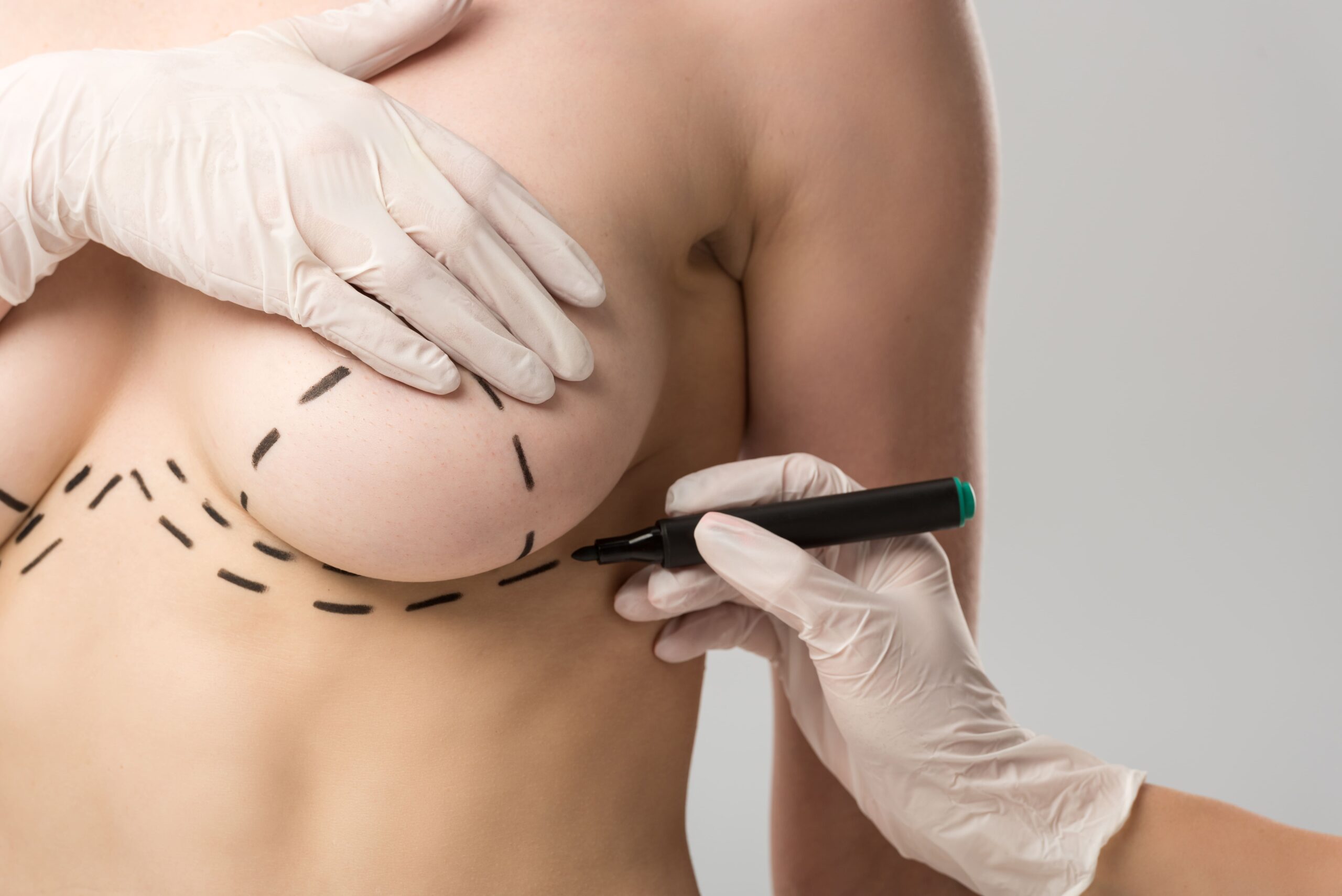
On surgery day, you’ll receive general anaesthesia administered by an anaesthetist. The surgeon marks incision patterns while you’re standing to account for natural breast position. The procedure typically takes two to three hours, depending on the technique used and whether you’re combining the lift with augmentation. The surgeon removes excess skin, reshapes breast tissue, and repositions the nipple-areola complex to a higher position. Internal sutures support the newly shaped breast tissue, whilst external sutures close the skin incisions. Surgical drains may be placed to prevent fluid accumulation.
Immediate Post-Treatment
After surgery, you’ll recover in a monitored recovery room where medical staff observe your vital signs as anaesthesia wears off. You’ll wear a surgical support bra or compression garment to help minimise swelling and support healing breasts. Pain medication manages initial discomfort, which typically feels like tightness or pressure rather than sharp pain. Many patients can return to their accommodation the same day, though some prefer overnight observation. Before discharge, you’ll receive detailed aftercare instructions and scheduled follow-up appointments.
Recovery & Aftercare
First 24-48 Hours
The initial recovery period requires rest with your upper body elevated to reduce swelling. Pain medication taken as prescribed may help manage discomfort. You’ll need assistance with daily activities, as arm movement should be limited. Keep surgical dressings dry and intact unless instructed otherwise. Light walking is encouraged to promote circulation and prevent blood clots. Monitor for excessive bleeding, severe pain, or signs of infection such as fever. Your surgical bra must be worn continuously except when showering, if permitted.
First Week
Swelling and bruising typically peak around day three, then gradually improve. Patients may transition from prescription pain medication to over-the-counter options by day four or five. You’ll attend your first follow-up appointment, where the surgeon checks the healing progress and may remove any drains. Gentle arm movements can resume, but avoid lifting anything over five pounds. Sleep on your back with your upper body elevated to minimise swelling. Some patients feel well enough for light activities by week’s end, though full rest remains essential.
Long-term Recovery
By week two, swelling may subside, and you can gradually increase activity levels. Sutures are typically removed or dissolve within two weeks. After three weeks, you can usually resume light exercise, such as walking, but avoid upper-body workouts for the next 6 weeks. The surgical bra is worn for four to six weeks as directed. Results become apparent after 3 to 6 months as swelling resolves and the breasts settle into their new position. Scars continue to fade over 12 to 18 months, though they may remain visible.
Our Plastic Surgeons provide comprehensive post-procedure support to help with recovery.
Schedule your consultation to learn more about what to expect.
Benefits of Breast Lift Surgery
A mastopexy (breast lift) can provide physical and psychological benefits beyond aesthetic improvement. The procedure aims to restore the breast profile with improved projection and symmetry. Elevated nipple position may create an appearance that enhances body proportions. Some women find clothing fits better, particularly swimwear and form-fitting tops.
Beyond physical changes, mastopexy may improve self-confidence and body image. Women might feel more comfortable in intimate situations and more confident in their appearance. The procedure can help eliminate skin irritation and discomfort caused by sagging breasts rubbing against the chest wall. For women with asymmetry, a breast lift aims to create better balance between breasts.
The results of mastopexy can be long-lasting, though natural ageing continues. The procedure may help improve breast appearance. Some patients find that improvements in their quality of life and self-esteem make the procedure worthwhile. The ability to wear certain styles without specialised supportive undergarments may provide daily lifestyle benefits.
Risks & Potential Complications
Common Side Effects
Temporary side effects are a normal part of the healing process. Swelling and bruising affect patients to varying degrees, typically resolving at different rates for different individuals. Mild to moderate pain is manageable with prescribed medications. Temporary numbness or changed sensation in nipples and breast skin usually improves over time. Tightness in the chest area gradually eases as tissues adjust. Visible scarring is permanent but fades over time with proper care.
Rare Complications
While uncommon, potential complications require awareness. Infection can occur, but requires prompt antibiotic treatment. Delayed wound healing may occur, particularly in smokers or those with diabetes, potentially requiring additional treatment. Asymmetry or unsatisfactory aesthetic results might necessitate revision surgery. Changes in nipple or breast sensation can occasionally be permanent. Poorly healed scars, including keloid or hypertrophic scars, may require additional treatment. Rarely, the nipple-areola complex can be partially or completely lost due to compromised blood supply.
Choosing a qualified plastic surgeon and following all pre- and post-operative instructions may help reduce the risk of complications. Honest communication about your medical history and adherence to recovery guidelines promotes optimal healing and results.
Cost Considerations
The cost of breast lift surgery varies based on several factors. The complexity of your case, including the degree of sagging and chosen surgical technique, affects procedure duration and technical requirements. Surgeon experience and qualifications may influence fees. The surgical facility’s quality, including operating theatre standards and medical equipment, can impact overall costs.
Breast lift procedures typically involve surgeon fees, anaesthesia costs, facility charges, post-operative garments, and follow-up appointments. Additional costs might include pre-operative tests, medications, recovery support, or revision procedures if needed.
Prioritise surgeon qualifications and facility standards when considering treatment options to help ensure safe outcomes. Request detailed information during consultation to understand what’s included in the treatment plan.
Individual treatment plans and associated costs may vary. Consult with a qualified healthcare professional to discuss your specific needs and circumstances.
Conclusion
A breast lift offers an opportunity to restore breast contour through established surgical techniques performed by experienced plastic surgeons. The procedure can help address sagging caused by pregnancy, weight changes, or ageing. With various surgical techniques available, from minimal periareolar lifts to comprehensive anchor lifts, treatment can be customised to address your specific degree of ptosis and aesthetic goals. Understanding the procedure, recovery process, and what to expect helps you make an informed decision about whether mastopexy aligns with your needs and expectations.
Our Doctors
World Class Plastic Surgeons is more than a clinic it is a destination for aesthetic excellence tailored to a select audience.We are an international reference in plastic surgery procedures, offering sophistication, discretion, and innovation. We serve clients who value luxury, safety, and outstanding results.


Ready to Take the Next Step?
If you're considering breast lift surgery, our experienced Plastic Surgeons can help you understand if it's the right option for your needs. With experience in mastopexy procedures, we provide personalised care throughout your surgical journey.
Make An Enquiry
Got Questions? Please fill in the enquiry form below and we look forward to addressing your question.