
Breast Implant Removal: The En Bloc Technique Explained
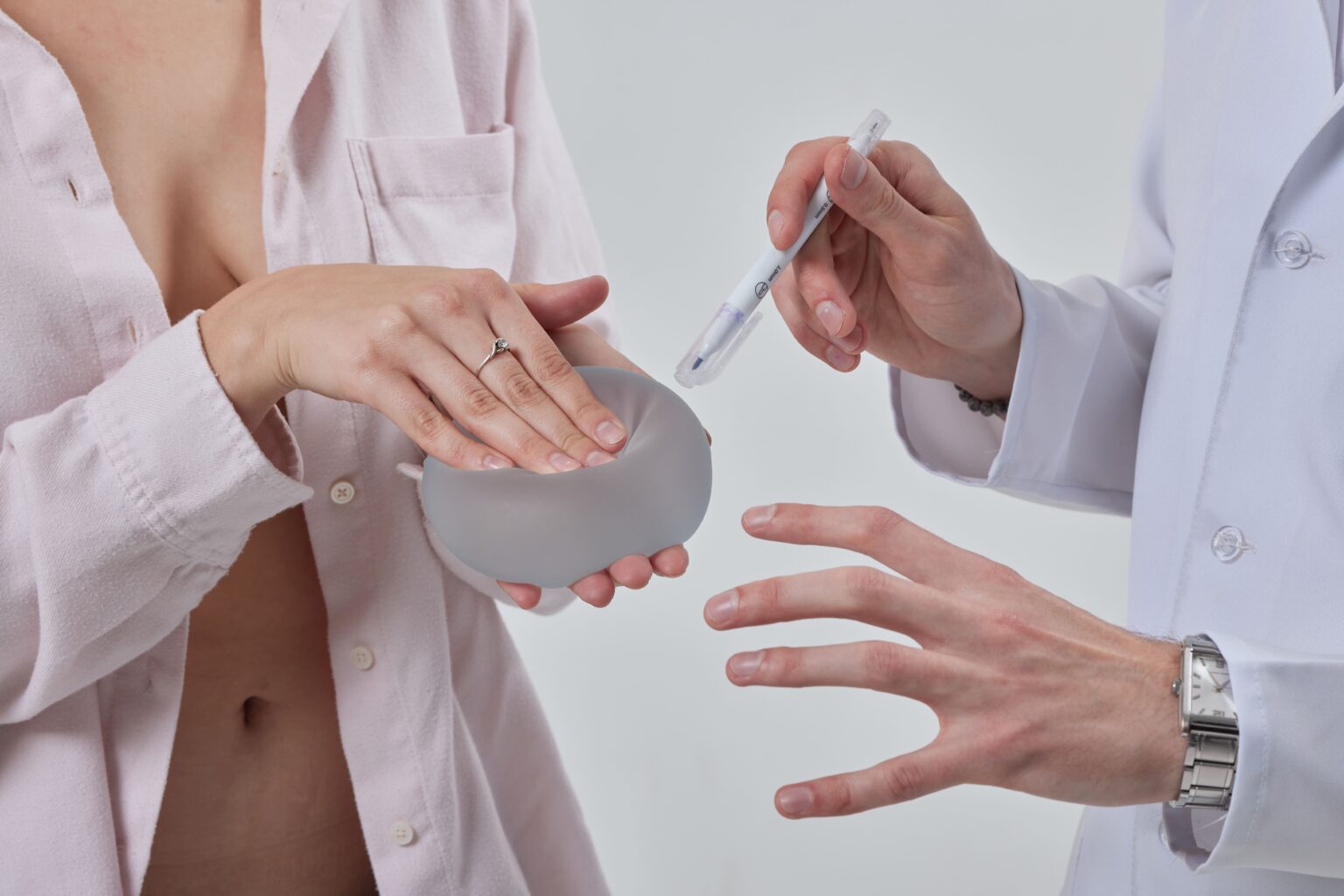
Can removing your breast implants, along with the surrounding scar tissue capsule, prevent complications from silicone leakage or rare cancers? En bloc capsulectomy removes breast implants together with the surrounding scar tissue capsule as a single, intact unit. This surgical technique differs from standard implant removal in that it extracts the entire capsule without disrupting it, preventing potential spillage of implant contents or capsule material into surrounding breast tissue. The procedure requires meticulous dissection along tissue planes to maintain capsule integrity throughout removal.
Surgeons perform en bloc removal through careful separation of the capsule from chest wall muscles and breast tissue. The technique requires surgical skill to avoid capsule rupture while navigating around vital structures, including blood vessels, nerves, and the underlying pectoralis muscle.
Understanding Capsule Formation
Your body forms a scar tissue capsule around any implanted foreign object as part of its natural healing response. This capsule develops within weeks of implant placement and continues to evolve over months to years. Regular capsules remain thin, soft, and pliable, measuring 0.5-2 millimetres in thickness.
Capsular contracture occurs when this scar tissue thickens and tightens abnormally. Baker Grade classifications describe contracture severity:
- Grade I appears normal
- Grade II shows minimal firmness with a normal appearance
- Grade III exhibits visible distortion with significant firmness
- Grade IV presents pain alongside severe distortion
Thickened capsules can measure 5-10 millimetres or more, creating a rigid shell that distorts breast shape and causes discomfort.
The capsule’s inner surface directly contacts the implant shell and may contain silicone particles from gel bleed, bacterial biofilm, or cellular debris. Microscopic examination reveals multiple tissue layers, including:
- Fibroblasts
- Collagen fibers
- Sometimes inflammatory cells
These biological materials remain contained within the capsule during en bloc removal, preventing dispersion into breast tissue.
Surgical Technique Details
En bloc capsulectomy begins with marking surgical boundaries based on the implant position and capsule extent, as identified through physical examination and imaging. Surgeons typically use existing mastectomy scars when available, otherwise creating inframammary or periareolar incisions based on implant location and size.
The dissection proceeds in distinct anatomical layers. First, surgeons separate skin and subcutaneous tissue from the anterior capsule surface using electrocautery or sharp dissection. Next, lateral dissection frees the capsule from surrounding breast tissue while preserving the blood supply to the remaining tissue. Medial dissection requires careful navigation near the internal mammary vessels. The posterior separation from the pectoralis muscle or chest wall often presents challenges, as the capsule frequently adheres firmly in this area.
💡 Did You Know?
The term “en bloc” comes from French, meaning “as a whole” or “in one piece.” Surgeons borrowed this terminology from oncologic surgery, where removing tumors with surrounding tissue margins intact prevents cancer cell spillage.
Complete capsule removal requires adequate visualisation and surgical access. Surgeons use specialised retractors and lighting to maintain clear operative views while preserving capsule integrity. The specimen appears as a sealed unit containing both the implant and the capsule, resembling a thick-walled balloon. Immediate inspection confirms complete removal without capsule tears or retained fragments.
Hemostasis follows removal, with careful cauterisation of bleeding vessels. Surgeons inspect the cavity for any residual capsule tissue, particularly in areas where adherence was strongest. Drain placement allows fluid evacuation during initial healing, typically remaining 5-7 days post-operatively.
Medical Indications for En Bloc Removal
Breast Implant-Associated Anaplastic Large Cell Lymphoma (BIA-ALCL) represents an indication for en bloc capsulectomy. This rare lymphoma develops within the capsule. Complete intact removal is typically recommended for proper staging and treatment. Findings that may warrant investigation include:
- Late-onset fluid accumulation (seroma) occurring more than one year post-implantation
- Asymmetric swelling
- Capsule masses identified on imaging
Silicone implant rupture, particularly intracapsular rupture where silicone remains contained within the capsule, may benefit from the en bloc technique. MRI imaging shows silicone signal within the capsule but not beyond, indicating containment. Removing the capsule intact may help prevent silicone migration into breast tissue, which could complicate future breast imaging and create inflammatory reactions.
⚠️ Important Note
Not all implant removals require en bloc technique. Intact saline implants without capsular contracture often need only simple explantation. A plastic surgeon determines the appropriate technique based on clinical findings, imaging results, and surgical assessment.
Breast Implant Illness (BII) symptoms lead many patients to request en bloc removal. While BII lacks formal diagnostic criteria, patients report systemic symptoms including:
- Chronic fatigue
- Joint pain
- Cognitive difficulties
- Rashes
- Autoimmune-like symptoms
Some patients report symptom improvement following complete capsulectomy, though medical evidence remains observational and individual experiences vary.
Severe capsular contracture (Baker Grade III-IV) causing pain, distortion, or implant malposition may warrant capsule removal. Leaving thickened capsule tissue can create persistent firmness, irregular contours, or fluid accumulation even after implant removal.
Recovery Timeline and Expectations
Initial recovery typically spans 2-3 weeks, with many patients returning to desk work within 10-14 days, though individual recovery times vary. The first 48-72 hours involve managing surgical drains, which initially collect fluid daily and then decrease gradually. Drain removal typically occurs when output falls below threshold levels for consecutive days.
Week one focuses on rest and wound care. Patients wear surgical compression garments continuously, removing only for showering after drain removal. Arm movements remain restricted to below shoulder level, preventing stress on healing tissues. Pain management may require prescription medication for 3-5 days, transitioning to over-the-counter analgesics.
Weeks two through four see a gradual resumption of activity. Light walking increases circulation without straining surgical sites and driving resumes once patients can perform emergency manoeuvres comfortably, usually around day 10-14. Compression garment wear continues for 4-6 weeks total, providing support and minimising swelling.
Physical restrictions ease progressively. Upper body exercises resume after 6 weeks, starting with light resistance bands before progressing to weights. High-impact activities and heavy lifting wait until 8-12 weeks post-surgery. Complete internal healing, including capsule bed reorganisation and final scar maturation, continues for 6-12 months.
✅ Quick Tip
Document your recovery with weekly photographs from consistent angles. These images help track healing progress and identify any changes that may require discussion with your healthcare provider.
Risks and Surgical Considerations
En bloc capsulectomy is more complex than simple implant removal. Extended dissection increases operative time to 2-4 hours per side, compared to 30-60 minutes for straightforward explantation.
Chest wall adherence presents specific challenges. Thin patients or those with subglandular implants may have capsules adhered directly to ribs. Complete removal risks entry into the pleural cavity (pneumothorax), requiring chest tube placement. Surgeons may recommend a partial capsulectomy in these cases, balancing complete removal against the risk of complications.
Breast appearance changes significantly following en bloc removal without replacement. Volume loss equals the sum of implant size and removed tissue, leading to deflation and potential skin laxity. Patients with large implants or thin native breast tissue experience more dramatic changes. Some patients pursue fat grafting or mastopexy (breast lift) either simultaneously or in staged procedures.
Sensory changes affect many patients. Temporary numbness occurs commonly, particularly along incision lines and lower breast regions. Sensation typically returns over 3-6 months as nerve endings regenerate. Permanent sensory loss occurs rarely, usually involving small areas rather than complete numbness.
Animation deformity may persist after subpectoral implant removal. The pectoralis muscle, stretched and modified during initial implant placement, may not return to its original anatomy. Residual muscle irregularities create visible movement with arm flexion, though this typically improves over months as muscles readapt.
What Our Plastic Surgeon Says
The decision between en bloc capsulectomy and alternative removal techniques requires individualised assessment. During consultation, plastic surgeons evaluate capsule thickness through physical examination, noting any firmness, irregularities, or asymmetry. Imaging studies, particularly MRI for silicone implants, provide information about implant integrity and capsule characteristics.
Patient goals significantly influence surgical planning—those seeking complete removal of all foreign material benefit from the en bloc technique when anatomically feasible. However, patients with thin capsules and intact implants may achieve their goals through less extensive procedures with faster recovery.
I carefully explain anatomical limitations during consultation. Posterior capsules adhered to ribs or fragile chest walls may preclude safe, complete removal. In such cases, I perform maximal capsulectomy while preserving critical structures, removing the majority of capsule tissue while leaving small adherent portions.
The capsule specimen undergoes pathological examination following removal. This analysis identifies any abnormal cells, confirms the absence of BIA-ALCL, and documents capsule characteristics. Patients receive detailed pathology reports explaining findings and their clinical significance.
Putting This Into Practice
- Schedule a consultation with a plastic surgeon experienced in revision breast surgery and complex explantation procedures. Request specific information about their en bloc capsulectomy experience.
- Obtain complete imaging before surgery. MRI provides optimal visualisation for silicone implants, while ultrasound adequately evaluates saline implants. Bring all imaging reports and actual images to your consultation.
- Prepare your home for recovery before surgery. Position frequently used items at counter height, arrange comfortable seating with good back support, and organise medications in an easily accessible location—stock easy-to-prepare meals requiring minimal reaching or lifting.
- Create a symptom diary if considering removal for BII concerns: document current symptoms, their severity, and frequency before surgery. Continue tracking post-operatively to assess any changes objectively.
- Arrange adequate recovery support. You’ll need assistance with daily activities, including showering, dressing changes, and drain management during the first week. Transportation to follow-up appointments requires a designated driver for at least 10-14 days.
Commonly Asked Questions
Can en bloc removal be performed on ruptured implants?
The en bloc technique is appropriate for intracapsular ruptures, where silicone remains contained within the capsule. Extracapsular ruptures with silicone migration require modified approaches, including careful debridement of affected tissues. Surgeons assess the extent of the rupture using preoperative imaging and adjust surgical planning accordingly.
How much breast tissue remains after en bloc capsulectomy?
The remaining tissue depends on your original breast size and the placement of your implants. Subglandular implants preserve all native breast tissue, whereas submuscular placement may involve some incorporation of glandular tissue into the capsule. Most patients retain their original breast tissue volume, minus any tissue removed during capsule removal.
Will insurance cover en bloc breast implant removal?
Coverage varies based on the documentation of medical necessity. Confirmed complications like rupture, capsular contracture causing pain, or BIA-ALCL may qualify for coverage. Removal for BII symptoms or personal preference generally requires self-payment. Obtain preauthorization with specific procedure codes from your surgeon.
Can I have new implants placed during en bloc removal?
Immediate replacement depends on capsule pathology and surgical findings. Clean operative fields, free of infection or suspicious tissue, enable same-surgery replacement. However, many surgeons recommend staged procedures, allowing healing before considering new implants.
How do results differ between en bloc and total capsulectomy?
Both techniques remove the entire capsule, but the methodology differs. En bloc maintains capsule integrity throughout removal, while total capsulectomy may involve piecemeal removal. En bloc provides intact specimens for pathology and prevents spillage of contents, particularly important for suspected BIA-ALCL or contained ruptures.
Next Steps
En bloc capsulectomy provides complete removal of implants with surrounding capsules for specific medical indications. Key takeaways: The technique prevents spillage of implant contents and capsule material into breast tissue. It requires specialised surgical expertise with a longer recovery than simple explantation. Indications include BIA-ALCL, contained implant rupture, severe capsular contracture, or the patient’s preference for complete removal of foreign material.
If you’re experiencing sudden breast swelling, new firmness or distortion, persistent pain, confirmed implant rupture, or systemic symptoms potentially related to breast implants, consult our qualified plastic surgeon to discuss whether en bloc capsulectomy may be appropriate for your individual situation.